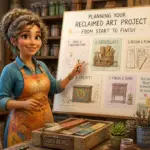

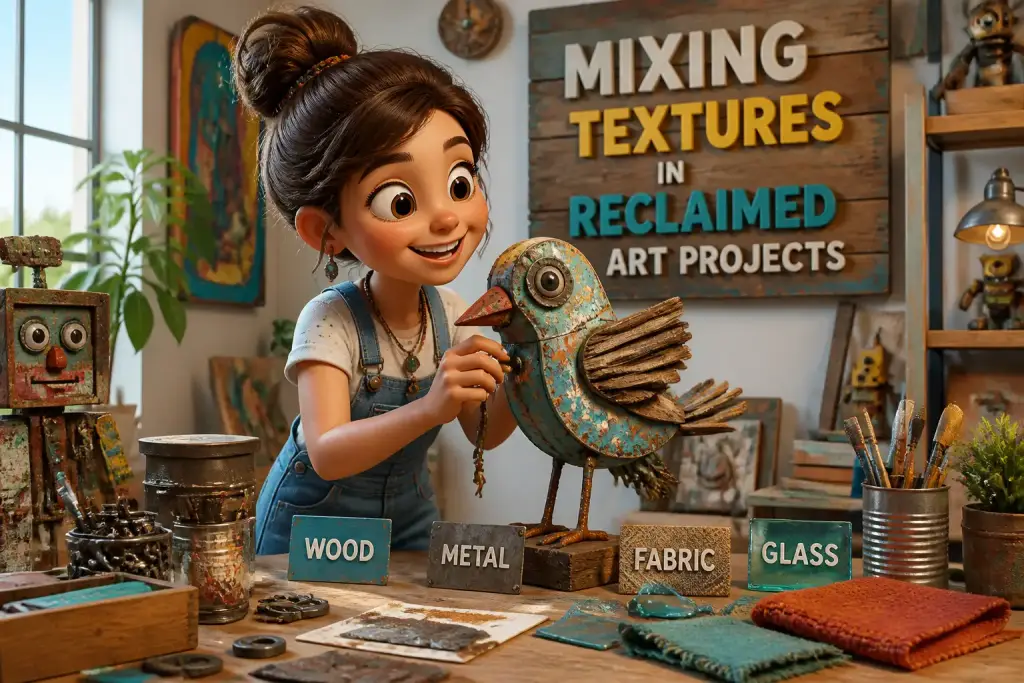
Creative expression thrives on innovation, and mixing textures plays a pivotal role in the world of reclaimed art projects. Today, artists are increasingly drawn to the use of varied textures, which not only enhances the aesthetic appeal of their work but also adds layers of meaning and storytelling. By combining materials such as wood, metal, fabric, and glass, creators can evoke emotions and capture the viewer’s attention. This article will guide you through the many ways to effectively mix textures in reclaimed art, providing practical tips and inspiring examples to elevate your artistic endeavors.
- Mixing different materials adds depth to your art projects.
- Consider balance and contrast when selecting textures.
- Experiment with layering to achieve unique effects.
Table of Contents
Essential Foundations of the Importance of Texture in Art
Texture is a fundamental element in visual arts. It refers to the surface quality of an object, which can be perceived through touch or sight. In reclaimed art, texture serves multiple purposes. First, it contributes to the overall visual interest of a piece and draws the viewer in. Second, it can create a contrast that emphasizes specific features, making certain aspects of the artwork stand out. Lastly, texture can evoke feelings or memories, engaging the audience on a deeper level.
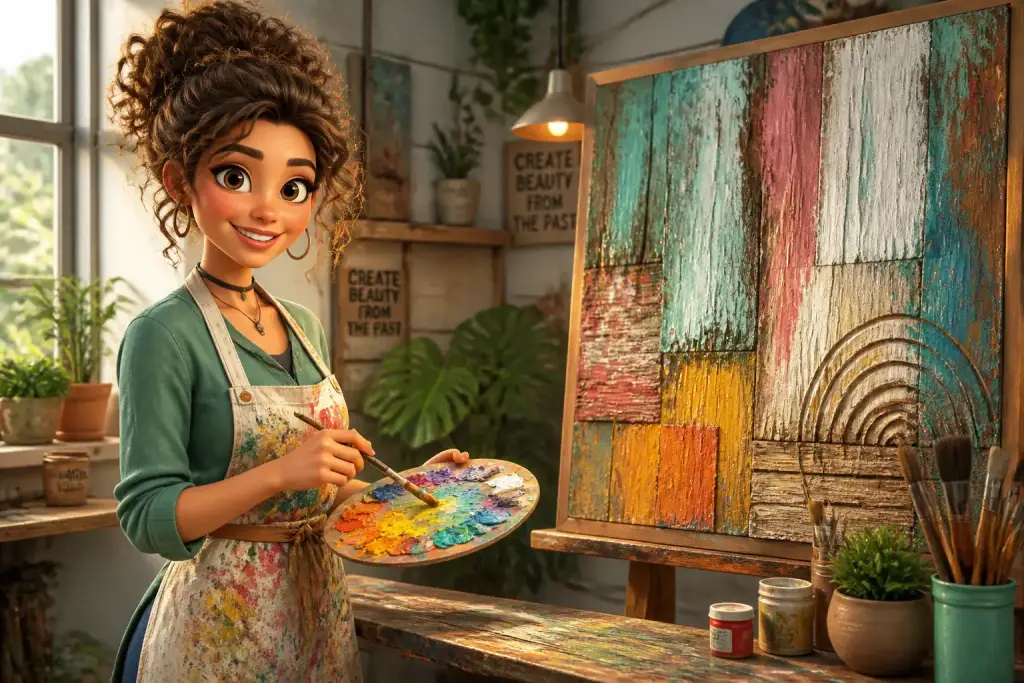
Artists often use texture to establish a mood in their work. For instance, smooth surfaces might convey calmness, while rough textures can evoke a sense of ruggedness or chaos. By thoughtfully mixing textures, artists can tell a more complex story. For example, combining soft fabric with hard metal can create a striking contrast that invites viewers to explore the piece further.
Real-World Examples of Textural Mixing
Many renowned artists have successfully mixed textures in their works. Take the example of artist Anselm Kiefer, who often incorporates materials like straw, ash, and lead in his pieces. This combination of textures not only creates a rich visual experience but also reflects themes of destruction and rebirth. Similarly, contemporary artists use reclaimed wood alongside fabric or glass to create juxtaposition, making their art both tactile and visually engaging.
Everyday Applications in Reclaimed Art
Mixing textures is not just for professionals; it can be applied in everyday reclaimed art projects. Simple items like old furniture can be transformed into stunning artistic pieces by layering textures. For instance, an old wooden chair can be painted and upholstered with vibrant fabric, creating a unique piece that tells a story of renewal. Consider these practical steps:
- Select a sturdy base material, such as reclaimed wood.
- Choose complementary textures, like soft fabric or shiny metal.
- Layer these materials thoughtfully to achieve a balanced look.
Techniques for Mixing Textures
When it comes to mixing textures, specific techniques can enhance your artistic outcomes. Understanding how to layer materials effectively can create depth and visual intrigue. Start with a clear vision of the textures you want to use. Consider the contrasting qualities of each material, such as rough versus smooth, shiny versus matte, or light versus dark.
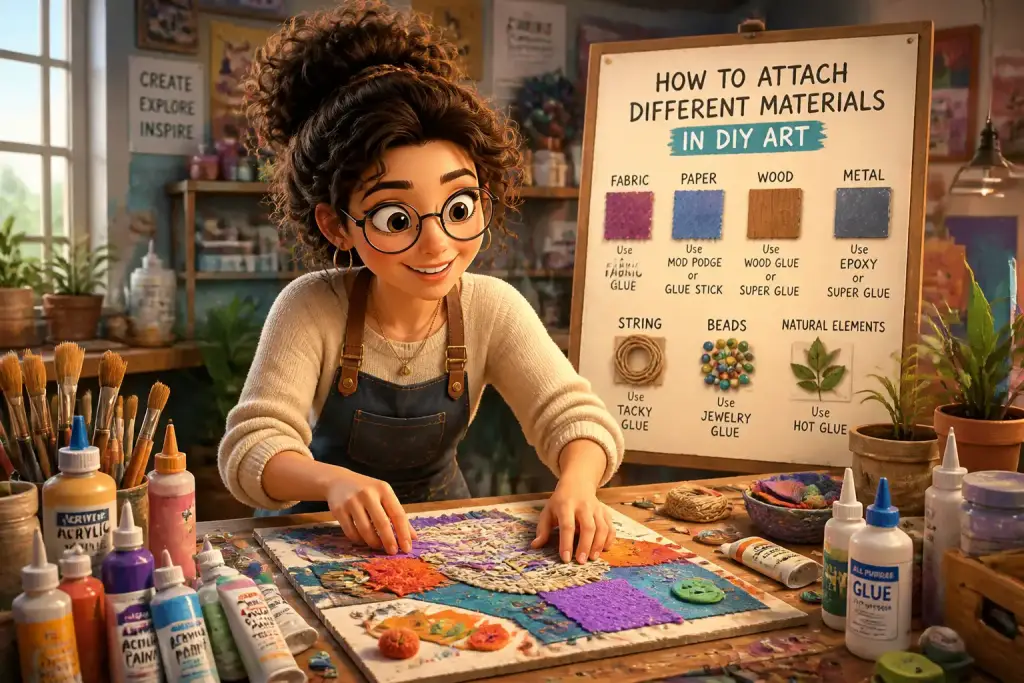
Begin with a base layer that will support the additional textures. This layer should be durable enough to withstand further additions. For example, if you are creating a wall hanging, a wooden board can serve as a strong foundation for attaching various materials. Once your base is secure, start layering your selected materials. Use adhesives or fasteners that are appropriate for the types of materials you are combining. This ensures that your textures remain intact over time and do not peel away.
Practical Steps for Layering Textures
Follow these practical steps to mix textures effectively:
- Gather your materials, focusing on a mix of textures.
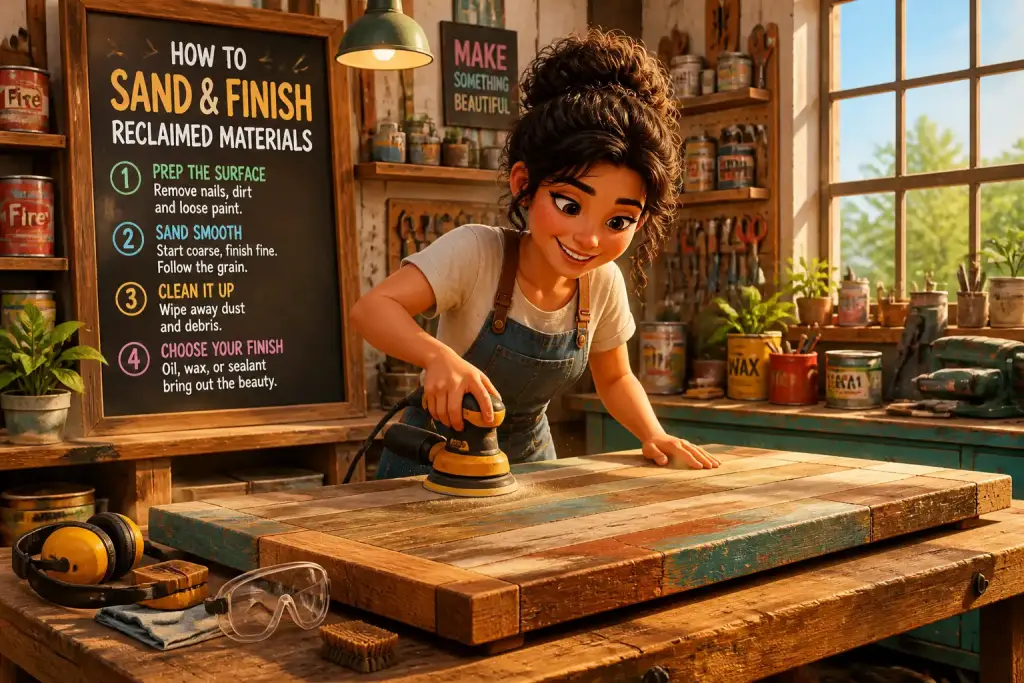
- Prepare your base by cleaning and sanding as needed.
- Plan your layout to visualize how textures will interact.
- Secure each layer with strong adhesives or fasteners.
- Finish with a protective sealant if necessary.
Experimentation is Key
Experimentation is a significant aspect of mixing textures. Do not be afraid to try unconventional combinations. You might find that an unexpected pairing creates a stunning effect. Consider visiting local thrift stores or flea markets to find unique reclaimed materials that can inspire your next project. Each piece tells a story, and the texture adds to that narrative.
Finding Inspiration for Texture Mixing
Inspiration can come from many sources. Nature is a fantastic place to start. Observe the textures found in leaves, bark, rocks, and even water. Each of these elements can inspire your choice of materials. For instance, a smooth stone can inspire the use of glass, while the roughness of bark may lead you to consider reclaimed wood.
Art galleries and exhibitions also provide a wealth of inspiration. Visiting local art shows or craft fairs can expose you to various artistic styles and techniques. Take note of how other artists mix textures in their work. This observation can spark your creativity and help you develop your unique style.
Utilizing Online Resources
Today, there are numerous online platforms where artists share their work and techniques. Websites like Pinterest and Instagram are filled with ideas for mixing textures. Follow artists who inspire you and save images that catch your eye. Create mood boards that showcase your favorite textures and colors. This visual collection can serve as a guide for your own projects.
Community Engagement
Joining local craft groups or online communities can also enhance your inspiration. Collaborating with others allows for the exchange of ideas and techniques. Consider attending workshops focused on reclaimed art. These events often provide hands-on experience and exposure to new materials and methods. You may discover innovative ways to mix textures that you had not previously considered.
Showcasing Your Textured Art
Once you have completed your textured art project, showcasing it becomes equally important. The way you display your work can enhance its impact. Consider using lighting that highlights the various textures. Soft, diffused lighting can create a warm ambiance, while spotlights can emphasize certain features. Position your artwork in a way that allows viewers to appreciate its details from different angles.
Think about the background against which you will display your work. A neutral wall can help your textured art stand out. Alternatively, a contrasting background can create a striking visual effect. Experiment with different settings to find what best complements your artwork.
Engaging with Your Audience
Engaging with your audience can also enhance the experience of your art. Consider hosting an open studio event where viewers can see your process and ask questions about your techniques. This interaction can deepen their appreciation for the effort and creativity that went into your work. Sharing the stories behind your pieces can also foster a connection with your audience.
Online Showcases and Sales
In today’s digital age, online platforms offer a fantastic opportunity to showcase and sell your art. Websites like Etsy or social media platforms can help you reach a broader audience. Create high-quality images of your work that highlight the textures effectively. Consider writing descriptions that explain your process and the materials used. This transparency can attract potential buyers who value the craftsmanship behind reclaimed art.
Start with a sturdy base layer to support lighter materials, ensuring your art remains durable and visually appealing.
Embracing Challenges in Texture Mixing
Mixing textures in reclaimed art projects is not without its challenges. Sometimes, certain materials may not adhere well to one another, or the visual balance might feel off. It is essential to approach these challenges with patience and creativity. If something does not work as planned, do not hesitate to make adjustments. Sometimes, removing or replacing a material can lead to unexpected and beautiful results.
Another common challenge is sourcing materials. Reclaimed items can be unpredictable in availability. Keep an open mind and be flexible with your projects. If a specific material is not available, consider alternatives that can provide a similar texture. This adaptability can lead to innovative solutions and unique artistic expressions.
Learning from Mistakes
Every artist experiences setbacks. Embrace these moments as learning opportunities that can improve your skills. Document your process, including what worked and what did not. This practice can help you refine your techniques and avoid making the same mistakes in future projects. Sharing your experiences with others can also foster a supportive community that encourages growth.
Continuing Your Artistic Journey
As you continue to mix textures in your reclaimed art projects, remember that growth takes time. Every piece you create adds to your experience and knowledge. Stay curious and open to new ideas. Consider exploring various artistic styles or techniques that can further enhance your understanding of texture. With dedication and creativity, your reclaimed art will continue to evolve and inspire.