




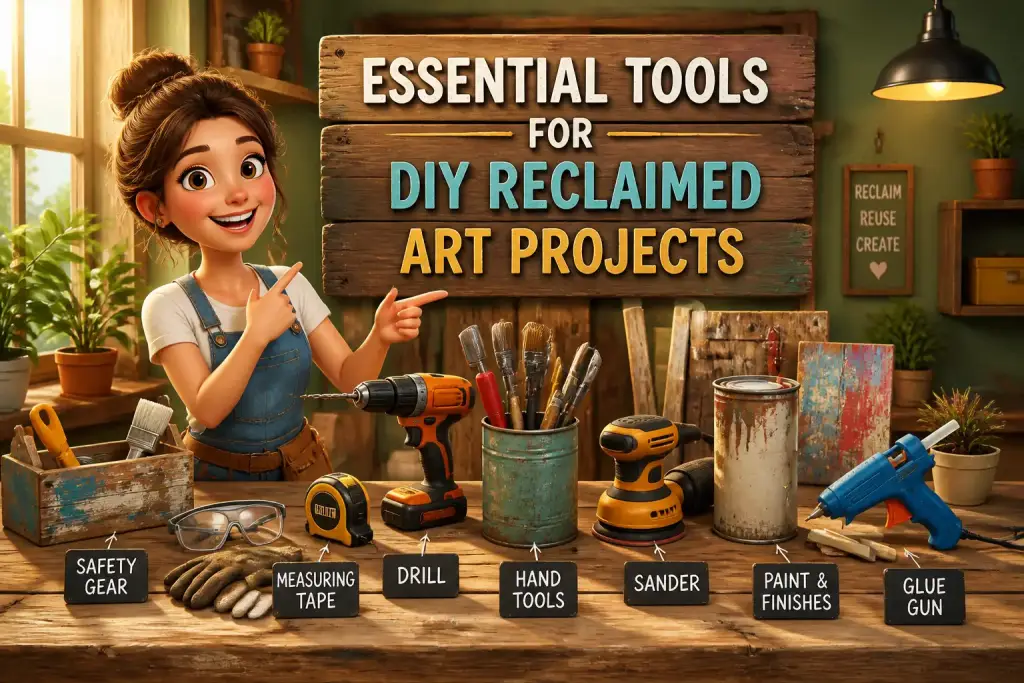
Creating art from reclaimed materials is not just about repurposing. It is about breathing new life into forgotten objects. Those who engage in DIY reclaimed art projects discover a unique way to express their creativity while being environmentally conscious. Essential tools play a significant role in this process. They help artists transform raw materials into stunning pieces of art. Here, we will explore the must-have tools for anyone interested in embarking on a DIY reclaimed art journey.
- Gather tools like saws and drills to work with reclaimed materials efficiently.
- Choose paint and adhesives designed for various surfaces to enhance your art.
- Consider safety gear to protect yourself while working on projects.
Table of Contents
- Essential Hand Tools for DIY Reclaimed Art
- Power Tools to Enhance Your Creativity
- Finishing Tools for a Professional Touch
- Safety Gear for a Secure Working Environment
- Storage Solutions for Your Tools and Materials
- Inspiration and Community for DIY Reclaimed Art
- Maximizing Your Reclaimed Art Projects
Essential Hand Tools for DIY Reclaimed Art
Every artist needs a set of reliable hand tools. These tools allow for precision and control when working with various materials. For reclaimed art projects, having the right hand tools is vital. They help in crafting, cutting, and assembling different pieces.
Start with a basic toolbox that includes a hammer, screwdrivers, pliers, and a utility knife. The hammer is essential for driving nails into wood and other materials. Use screwdrivers for assembling or disassembling furniture. Pliers can help grip and twist wires or other small components, while a utility knife is perfect for cutting through softer materials with ease.
Consider investing in a saw, preferably a jigsaw or a handheld circular saw. These saws provide more power and can handle tougher cuts. Whether you want to create intricate designs or simple shapes, these tools can make your job easier. Remember, using the right hand tools not only enhances your project but also ensures safety while you work.
Power Tools to Enhance Your Creativity
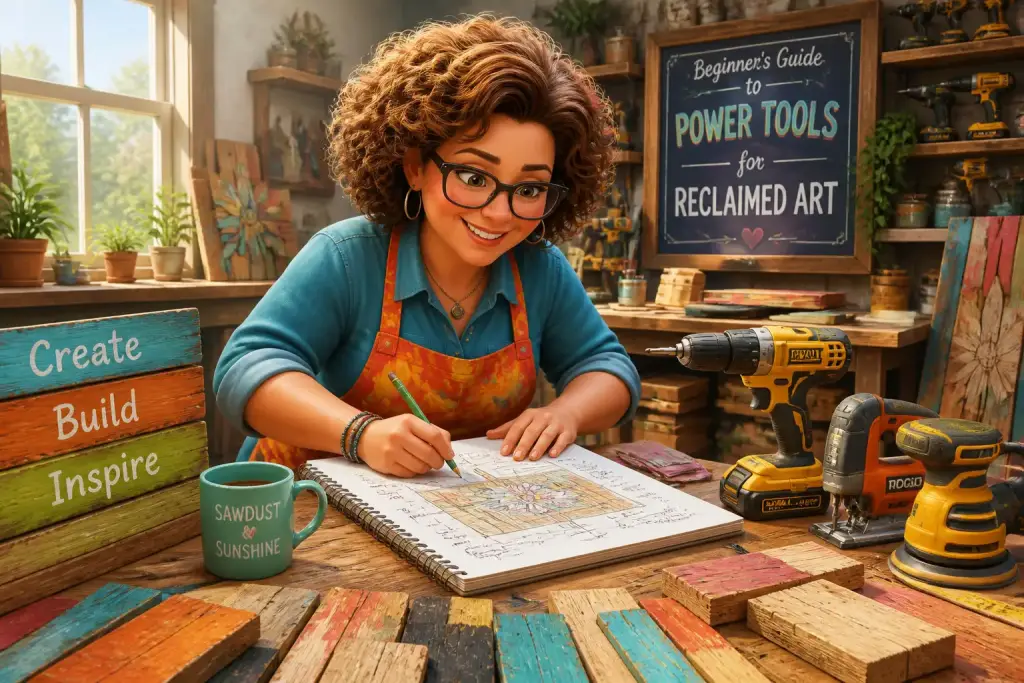
Power tools can significantly speed up the process of creating reclaimed art. They reduce the manual effort needed, allowing you to focus more on the creative aspects. While hand tools are essential, power tools can provide efficiency and precision.
Consider a cordless drill as a primary power tool. A drill is perfect for creating holes in various materials, making it easier to attach pieces together. Use it with different drill bits to achieve various hole sizes and types. A sander is another valuable tool that helps smooth out rough edges on wood or metal. This step is crucial for achieving a polished look in your art projects.
Popular Power Tools for Reclaimed Art
- Router: Great for shaping edges or hollowing out areas of wood.
- Angle Grinder: Useful for cutting, grinding, and polishing metal pieces.
- Table Saw: Excellent for making straight cuts in large pieces of wood.
These tools can greatly enhance your reclaimed art projects. They allow you to manipulate materials with ease and create stunning effects that would be difficult to achieve with hand tools alone.
Finishing Tools for a Professional Touch
Finishing tools are essential to give your reclaimed art a professional appearance. After crafting your pieces, these tools help you add the final touches, ensuring that your work stands out. A good finishing process can elevate your art from simple to stunning.
Paint and brushes are among the most common finishing tools. Choose paints that are suitable for the materials you are using. For example, acrylic paints work well on wood, while spray paints can provide a smooth finish on metal surfaces. Brushes come in various sizes, allowing for detailed work or broad strokes, depending on your artistic vision.
Other Finishing Essentials
- Varnish: Protects your art from wear and tear.
- Stain: Enhances the natural beauty of wood.
- Sealant: Provides a waterproof barrier for outdoor pieces.
Incorporating these finishing tools into your workflow will ensure your reclaimed art is not only visually appealing but also durable.
Safety Gear for a Secure Working Environment
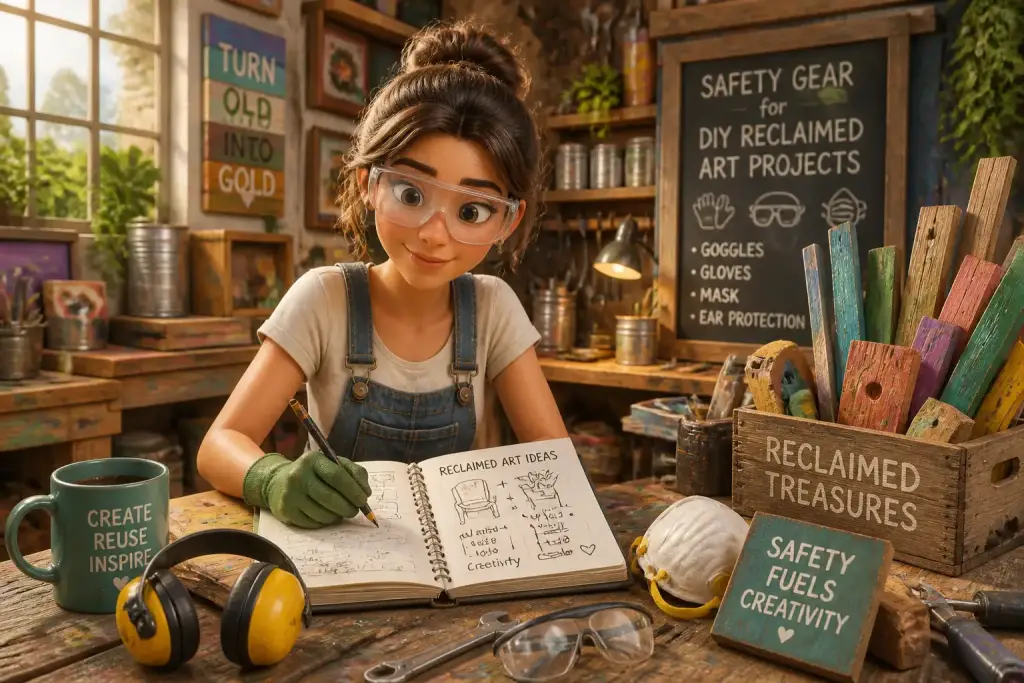
Safety should always be a priority when working on DIY reclaimed art projects. The tools you use can pose various risks, making it essential to protect yourself. Wearing the right safety gear can prevent injuries and ensure a secure working environment.
Start with protective eyewear. Safety glasses shield your eyes from flying debris while cutting or sanding materials. Gloves are also crucial to protect your hands from sharp edges or splinters. Choose gloves that offer a good grip and flexibility. Hearing protection is important if you are using loud power tools like saws or drills. Invest in noise-canceling ear muffs or earplugs to protect your hearing.
Lastly, consider wearing a dust mask when working with materials that generate dust, such as wood. This simple action can help you breathe easier and avoid respiratory issues. Prioritizing safety will allow you to enjoy your creative process without unnecessary risks.
Storage Solutions for Your Tools and Materials
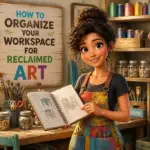
Once you have gathered all your tools and materials, finding a proper storage solution is essential. An organized workspace can significantly improve your efficiency and creativity. Keeping your tools easily accessible can save time and reduce frustration.
Use a toolbox or a tool chest to store smaller hand tools. Opt for a chest with compartments to keep your tools organized. For larger power tools, consider a designated area in your workshop or garage. Shelving units can also help store materials like reclaimed wood, paint, and other supplies.
Storage Tips for a Tidy Workspace
- Label storage bins for easy identification.
- Use pegboards to hang tools for quick access.
- Store frequently used items at eye level for convenience.
A well-organized workspace not only promotes safety but also inspires creativity. When everything has its place, you can focus more on your art and less on searching for tools.
Always wear protective eyewear and gloves when handling tools or materials to ensure your safety during DIY projects.
Inspiration and Community for DIY Reclaimed Art
Finding inspiration for your DIY reclaimed art projects is crucial. Engaging with a community of like-minded artists can spark new ideas and techniques. Many resources are available to help you connect with fellow crafters.
Online platforms like social media and forums offer a space to share your work and find inspiration. You can follow artists who specialize in reclaimed art to see their projects and techniques. Participating in local workshops or community art classes provides hands-on experience and the chance to learn from others.
Consider visiting art shows or galleries that feature reclaimed art. Observing how other artists use materials can inspire your creativity. Additionally, reading books and blogs about reclaimed art techniques can provide valuable insights and tips.
Joining Local Art Groups
- Find local art collectives or clubs that focus on reclaimed materials.
- Attend art fairs or community events to network with other artists.
- Share your projects online and invite feedback to improve your skills.
Being part of a community not only enhances your skills but also encourages you to experiment with new ideas in your reclaimed art projects.
Maximizing Your Reclaimed Art Projects
With the right tools and resources, you can maximize your reclaimed art projects. Embrace creativity by experimenting with different techniques and materials. Reclaimed art not only helps the environment but also allows you to express your individual style.
Start by selecting materials that speak to you. Look for items with character, such as old furniture, pallets, or discarded metal. These materials can serve as the foundation for your artwork. Once you have your materials, use the tools discussed to manipulate and transform them into something new.
Incorporate various techniques like mixing textures or layering colors. Each method can add depth and interest to your projects. For instance, layering different paints can create stunning visual effects. Mixing textures, such as combining wood and metal, can make your art stand out even more. For more on this technique, check out our guide on mixing textures in reclaimed art projects.
Lastly, share your creations with the world. Whether you post on social media or participate in local art shows, showcasing your work can inspire others and build connections within the art community.