


Creating texture with paint on reclaimed surfaces is an exciting way to breathe new life into old materials. This approach not only enhances the visual appeal of your project but also allows you to express your creativity in unique ways. Reclaimed surfaces, whether they are wood, metal, or fabric, provide a beautiful backdrop for artistic exploration. In this comprehensive guide, we will explore various techniques, tools, and tips to effectively create stunning textures using paint.
- Use layering techniques for depth and complexity.
- Experiment with different tools like brushes and sponges.
- Choose eco-friendly paints for safe, beautiful finishes.
Table of Contents
- Choosing the Right Reclaimed Surface
- Essential Materials for Texturing
- Techniques for Creating Texture with Paint
- Experimenting with Texture Tools
- Essential Foundations of Color Theory for Textured Painting
- Finishing Touches for Your Textured Surface
- Safety Considerations and Best Practices
- Inspiring Examples of Textured Paint on Reclaimed Surfaces
Choosing the Right Reclaimed Surface
Before diving into the painting process, selecting the right reclaimed surface is essential. Different materials respond uniquely to paint and texture techniques, which can significantly impact the final result. Common reclaimed materials include wood, metal, and fabric. Each of these surfaces offers distinct characteristics and opportunities for creativity.
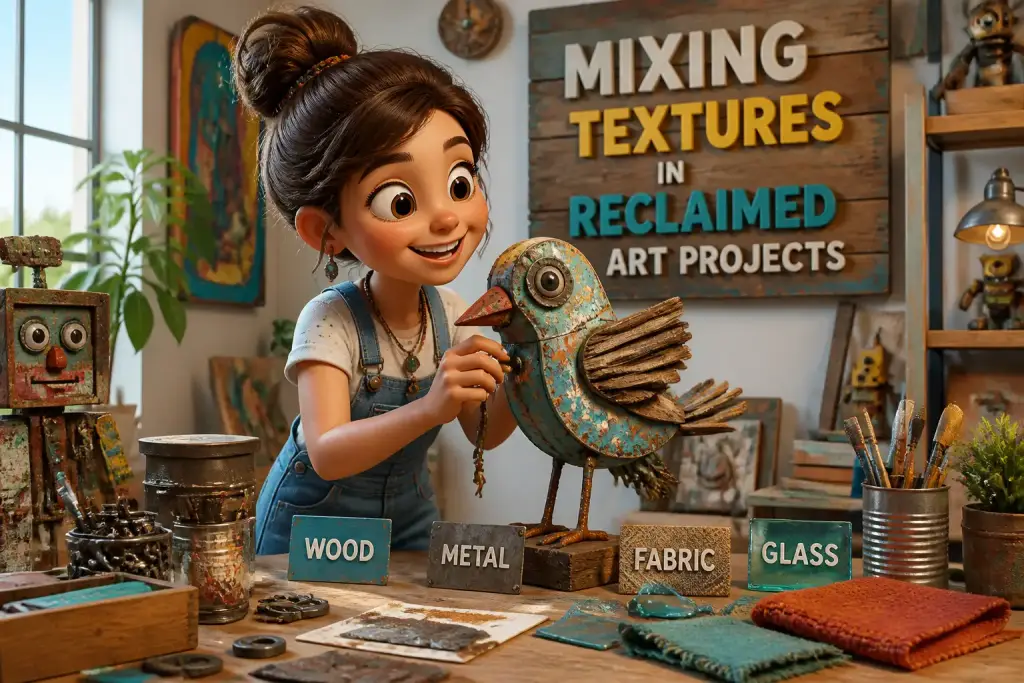
Wood is a popular choice due to its natural grain and warmth. It can absorb paint differently depending on the type of wood, so it’s important to test a small section first. Metal surfaces can be less forgiving, often requiring special primers to ensure the paint adheres properly. Fabric surfaces, such as old textiles or upholstery, allow for a softer approach, but the choice of paint is crucial. Fabric paint will provide the best results, ensuring the texture remains flexible.
Evaluating Your Options
When choosing a reclaimed surface, consider the following factors:
- Condition: Check for any damage or rot, especially in wood. Ensure the surface is stable enough to withstand painting.
- Type: Identify whether the surface is porous or non-porous. This will affect the type of paint and technique you should use.
- Size: Determine if the size of the surface fits your project goals. Larger surfaces may require more intensive techniques to create texture.
After evaluating these aspects, you will be better equipped to choose a reclaimed surface that suits your artistic vision. Remember, the right choice is a mix of personal preference and practical functionality.
Essential Materials for Texturing
Gathering the right materials is critical for achieving the textures you desire. Apart from your chosen reclaimed surface, you will need a variety of painting supplies. Consider the following items essential for your project:
High-quality paints are the foundation of any texture project. Acrylic paints are versatile and can be mixed easily to achieve various shades and opacities. For outdoor projects, use exterior-grade paint to ensure durability. Textured paints, such as those containing sand or other aggregates, can also add depth directly to your surface without much additional effort.
Key Tools for Texture Application
Along with paint, here are some tools that will help create texture:
- Brushes: Various sizes and shapes of brushes can create different textures. Flat brushes work well for broad strokes, while smaller brushes are great for detail work.
- Sponges: Natural or synthetic sponges can help create a stippled effect, adding depth and interest.
- Palette Knives: These can be used to apply thick layers of paint or to scrape and manipulate the texture on the surface.
- Rollers: A textured roller can quickly cover large areas while adding a consistent pattern.
Having a variety of tools will allow you to experiment with different techniques. Each tool offers unique textures and finishes, so don’t hesitate to try them in combination for exciting results.
Techniques for Creating Texture with Paint
Once you have your reclaimed surface and materials ready, it’s time to explore various techniques for creating texture with paint. Each method has its unique approach and can yield stunning results. Here, we will discuss some popular techniques that can help you achieve the desired texture.
Layering and Glazing
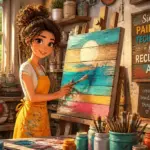
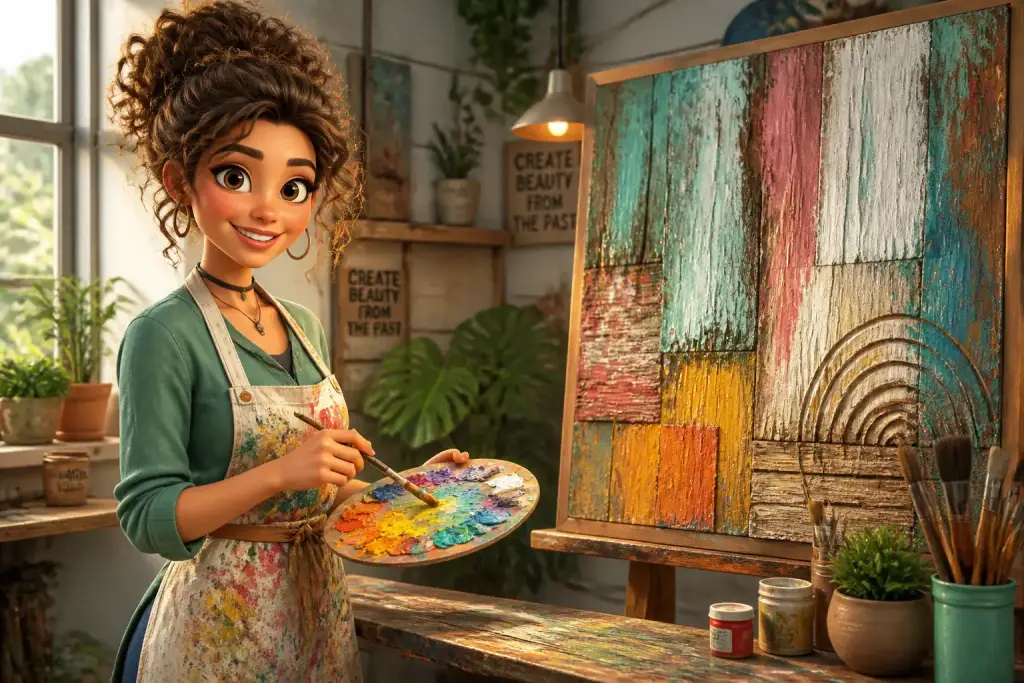
Layering involves applying multiple layers of paint in different colors to create depth. Start with a base coat of a solid color, allowing it to dry completely. Then, apply a second layer using a contrasting color, but only in certain areas. This technique allows the base color to peek through, creating a rich, textured look.
Glazing is similar but involves using a transparent or semi-transparent layer over a dried base coat. This method can create a depth of color and a glossy finish. To glaze, mix a small amount of paint with a glazing medium, then apply it over the base color with a brush or sponge. Wipe away excess with a clean cloth for a softer look.
Stenciling and Stamping
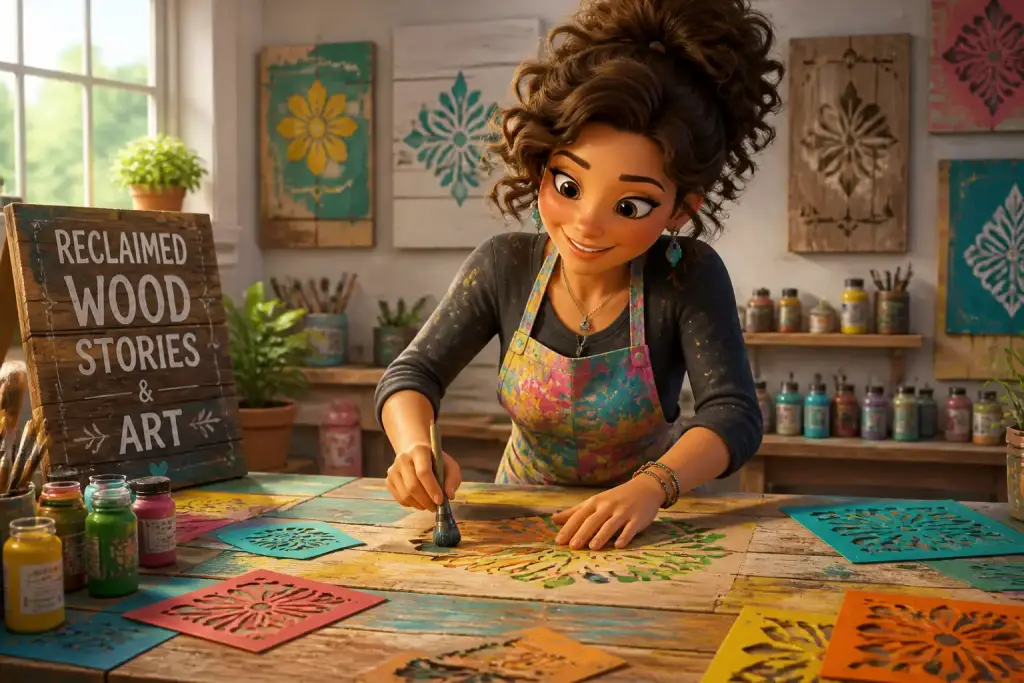
Stenciling is a great way to add repeated patterns to your surface. Create or purchase a stencil that suits your design. Secure the stencil against your surface and carefully apply paint using a sponge or brush. This technique can add intricate details without much effort. Stamping, on the other hand, involves using objects like sponges, leaves, or even carved potatoes to create patterns. Dip the item in paint and press it onto your surface to leave an impression.
Experimenting with Texture Tools
Using different tools can significantly change the texture of your painted surface. Each tool brings a unique element to your project. Experimenting with various implements may lead to surprising and delightful outcomes.
Using Natural Materials for Texture
Natural materials like leaves, branches, and even clay can be used to create interesting textures. For example, press a leaf into wet paint for an organic pattern or use twigs to drag across the surface for a rustic effect. These methods allow you to incorporate nature into your artwork, giving it a unique touch.
Combining Techniques
Do not be afraid to mix different techniques for a more complex texture. For example, start with a base layer of sponge painting, then add details with stenciling and finish with a glaze. This combination of techniques will add layers of interest to your piece.
Essential Foundations of Color Theory for Textured Painting
Color plays a crucial role in how texture is perceived. Understanding basic color theory can help you choose the right shades and combinations to enhance your textured surfaces. Warm colors tend to advance visually, while cool colors recede. This can be used to create a sense of depth in your artwork.
Color Combinations and Contrast
Using complementary colors can create striking contrasts that draw attention to textures. For instance, pairing a bright orange with a dark blue can make the texture pop. Additionally, experimenting with monochromatic color schemes can create a more subtle and sophisticated look. This approach often highlights the texture itself rather than the colors.
Always test your techniques on a small area before working on the entire surface to ensure the desired outcome.
Finishing Touches for Your Textured Surface
Finishing touches are essential for protecting your artwork and enhancing its appearance. Once your paint has dried, consider applying a protective sealant. This will help to preserve the texture and colors, especially for pieces intended for outdoor use.
Adding embellishments like metallic accents or glitters can elevate your project further. Use a dry brush technique to apply metallic paint lightly over raised textures, allowing the underlying colors to show through. This can create a beautiful contrast and draw attention to the unique elements of your reclaimed surface.
Finalizing Your Artwork
Before you consider your piece complete, take a moment to evaluate its overall appearance. Step back and assess the balance of color, texture, and composition. Sometimes, the smallest adjustments can make a significant difference. If something feels off, don’t hesitate to add more layers or details.
Safety Considerations and Best Practices
When working with paint and reclaimed materials, safety should always be a priority. Proper ventilation is crucial, especially when using oil-based paints or chemicals. Ensure your workspace is well-ventilated, and wear appropriate safety gear, such as gloves and masks.
Always refer to safety guidelines for the specific materials you are using. For instance, reclaimed wood may contain old finishes or chemicals that could be harmful. It is essential to ensure that your materials are safe for use, especially if they will be around children or pets. For more information on safety gear, check out our article on safety gear for DIY projects.
Finally, clean your workspace diligently after completing your project. Dispose of any paint and materials according to local regulations to ensure a safe environment. With careful planning and consideration, you can create beautiful textured surfaces that will last for years.
Inspiring Examples of Textured Paint on Reclaimed Surfaces
Seeing how others have successfully applied these techniques can be incredibly inspiring. Many artists have taken reclaimed materials and transformed them into stunning pieces that showcase their creativity. Here are a few inspiring examples.
Wooden Furniture Transformation
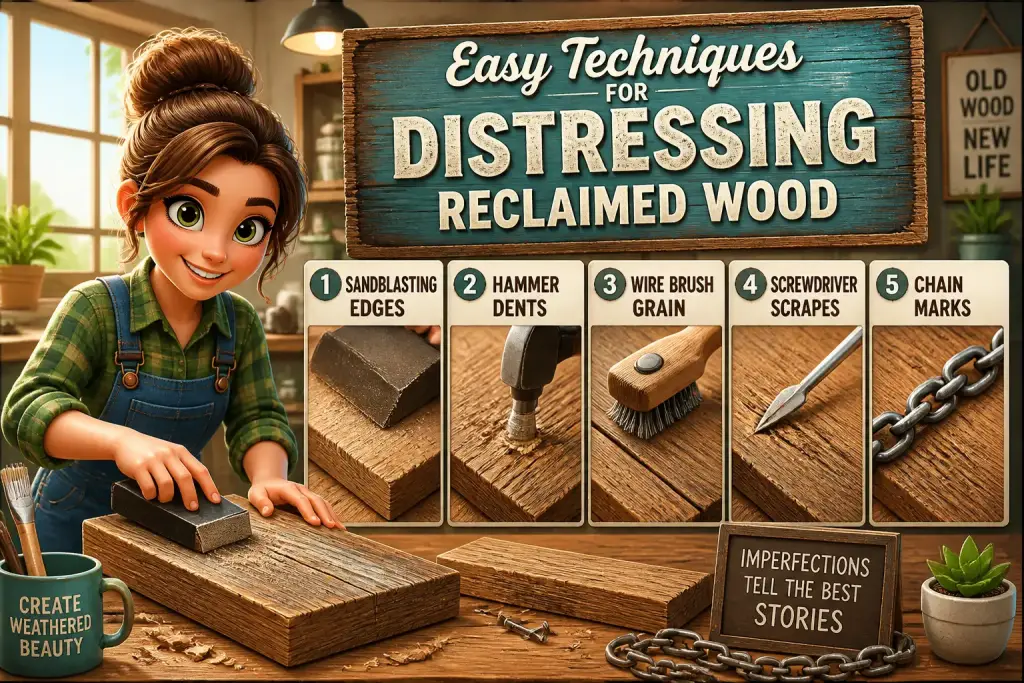
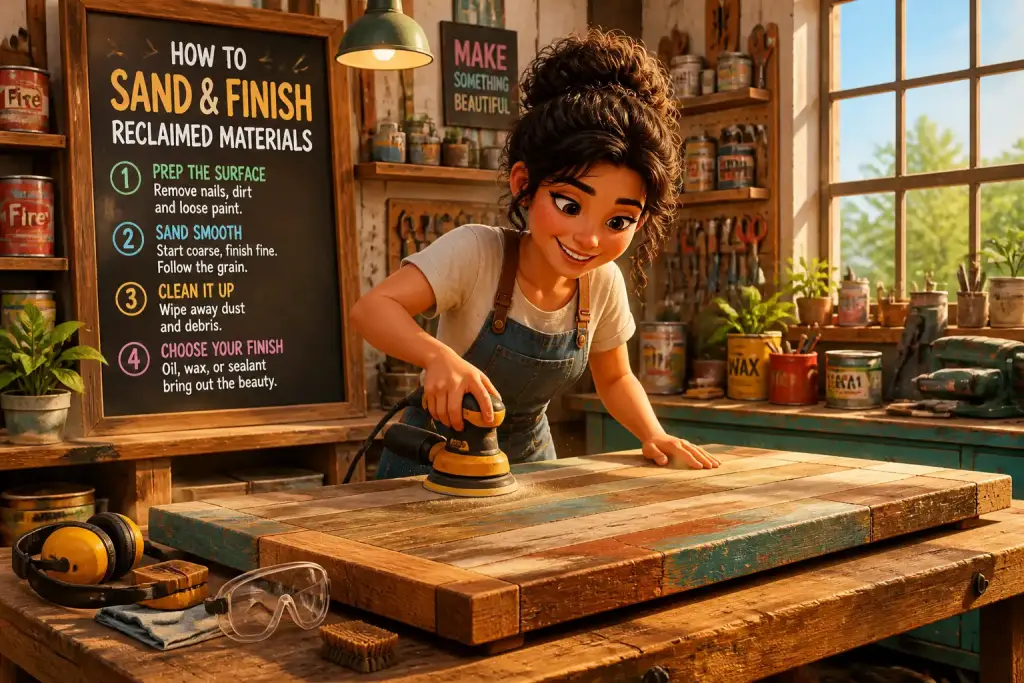
A local artisan took an old, weathered table and transformed it using layered paints and a distressed technique. After sanding the surface, she applied a base coat of light blue. Once dried, she used a darker blue for the top layer, allowing the base color to show through in some areas. The result was a beautifully textured table that retained its vintage charm while looking fresh and new.
Metal Art Installations
Another artist created a series of outdoor sculptures using reclaimed metal. She used a combination of rust-resistant paint and texture techniques to give each piece a unique look. By layering different colors and finishes, she produced stunning effects that highlighted the various textures of the metal, making each sculpture a focal point in the garden.
By exploring these examples, you can gain valuable insights into how to effectively create texture with paint on reclaimed surfaces. Let these projects inspire your own creativity and encourage you to experiment with different techniques and materials.