






Creating art from reclaimed materials can be an exciting and fulfilling endeavor. However, safety should always come first. Using the right safety gear ensures you enjoy your DIY reclaimed art projects without injury or health risks. This guide will provide a comprehensive overview of essential safety equipment, best practices, and specific tips for various materials you may encounter in your projects.
- Always wear protective eyewear to shield against debris and dust.
- Use gloves suitable for your materials to prevent cuts and skin irritation.
- Choose a dust mask or respirator when sanding or painting to avoid inhaling harmful particles.
Table of Contents
Why Safety Gear is Essential for DIY Projects
Safety gear serves as your first line of defense against potential hazards. When working with reclaimed materials, you often deal with unpredictable elements like splinters, sharp edges, or toxic substances. Because of this, wearing proper equipment reduces the risk of injury and promotes a safe working environment. Furthermore, understanding the importance of safety gear can lead to more enjoyable and productive crafting experiences.
Every DIY project carries its risks. For instance, when cutting wood, there is a chance of splinters or accidental cuts. Similarly, working with paints or glues can expose you to harmful fumes. Because of these risks, having the right safety gear becomes non-negotiable. It not only protects you but also enhances your focus, allowing you to fully immerse yourself in the creative process.
Incorporating safety gear into your routine can save you time and money in the long run. Injuries can lead to costly medical bills or time away from your projects. Prioritizing safety will help you avoid these disruptions, allowing you to concentrate on creating beautiful art pieces. Overall, making safety a priority is essential for anyone engaged in DIY art projects.
Essential Safety Gear for Your Projects
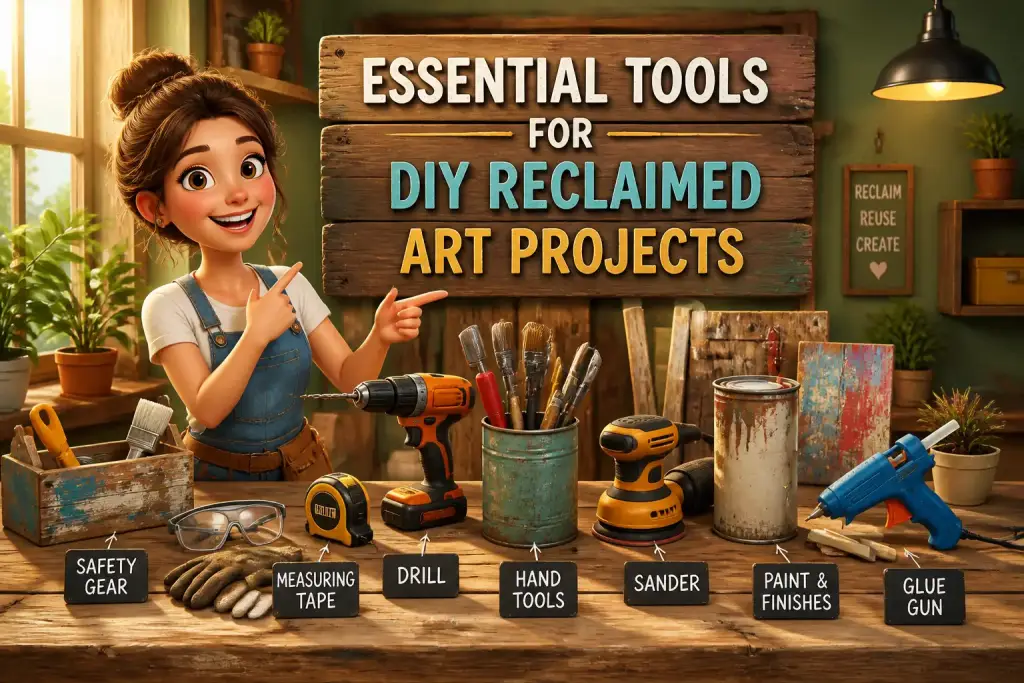
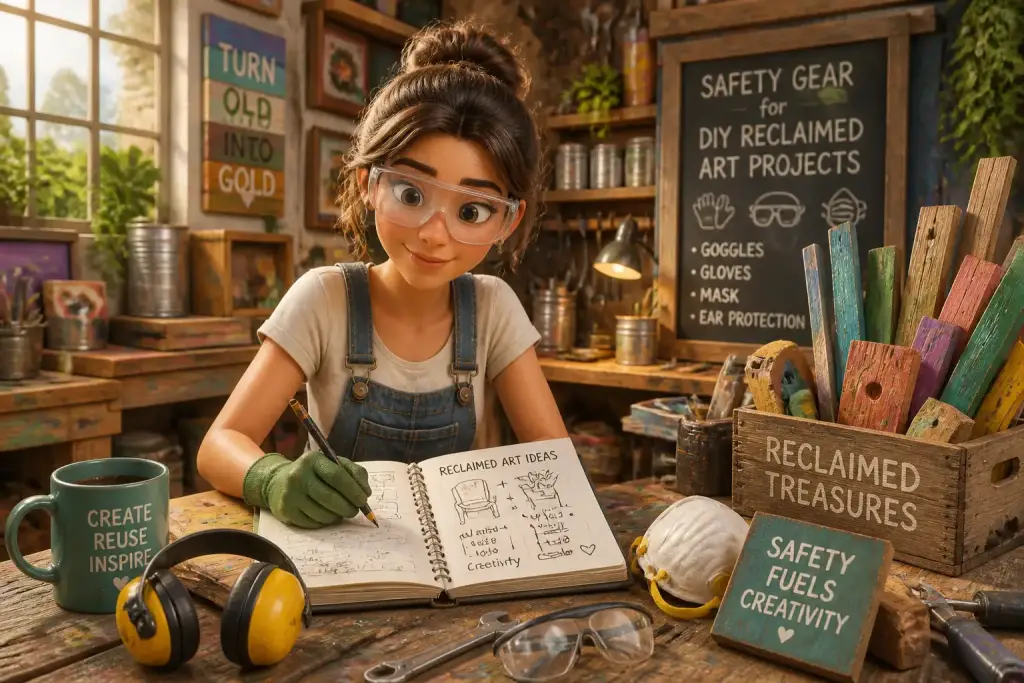
To ensure a safe working environment, specific safety equipment is necessary. These items cater to various tasks and materials you may encounter. Below is a list of essential safety gear that should be part of your DIY toolkit:
- Safety Goggles: Protect your eyes from dust, debris, and harmful chemicals.
- Gloves: Wear gloves that suit your materials to prevent cuts and skin irritation. Nitrile gloves are great for handling chemicals.
- Dust Masks/Respirators: Use these when sanding, painting, or working with materials that create dust or fumes.
- Ear Protection: If your project involves loud tools, earplugs or earmuffs will protect your hearing.
- Aprons: A sturdy apron can protect your clothing while also providing pockets for tools.
Wearing safety goggles is crucial when working with power tools or cutting materials. They protect against flying debris that can cause serious eye injuries. For tasks involving sharp objects, wearing gloves is equally important. They provide grip and protection from cuts that can happen unexpectedly.
Dust masks or respirators are essential when sanding wood or using spray paints. These devices filter out harmful particles, keeping your lungs safe from potential irritation or damage. Investing in high-quality protective gear is a smart choice. It will keep you safe and improve your overall comfort while working.
Choosing the Right Gloves for Your Materials
Different materials require specific types of gloves for optimal protection. Choosing the right ones can make a significant difference in your safety and comfort while working. Here is a breakdown of common materials and the gloves that work best with them:
Wood Projects
When working with wood, particularly reclaimed wood, wear cut-resistant gloves. These gloves protect your hands from sharp edges and splinters while allowing you to have a good grip on tools and materials. Look for gloves made of materials like Kevlar or leather, which provide durability and flexibility.
Metal Projects
If your project involves metal, use gloves that are puncture-resistant. Metal can have sharp edges that might cause cuts. Heavy-duty gloves made from leather or synthetic materials work well. They also offer protection against heat if you are working with hot metal surfaces.
Painting and Finishing
For painting or finishing tasks, disposable nitrile gloves are ideal. They protect your skin from chemicals in paints and solvents while being flexible enough to allow for fine motor skills. Ensure that the gloves fit snugly to prevent any paint from seeping in.
General Purpose
For general tasks, such as assembling pieces or handling tools, lightweight gloves can provide necessary protection without sacrificing dexterity. Look for gloves that are breathable to keep your hands comfortable during long projects.
Invest in high-quality safety gear that meets industry standards for the best protection while you work on your creative projects.
Protecting Your Eyes and Lungs
Eye and respiratory protection are often overlooked, but both are critical when engaging in DIY art projects. Eye injuries can lead to serious consequences, while inhaling harmful particles can cause long-term health issues. Here are tips on how to protect these vulnerable areas:
Eye Protection
Always wear safety goggles or glasses when cutting, sanding, or working with any materials that produce dust or flying debris. Regular glasses do not provide adequate protection, as they do not form a complete seal around your eyes. Look for goggles that offer a snug fit and are made from impact-resistant materials.
Lung Protection
Using a dust mask or respirator can significantly reduce inhalation of harmful particles when sanding or painting. A basic dust mask is suitable for low-dust activities, but for more intense tasks, a respirator offers better protection. Choose a mask rated for the specific hazards of your project, such as one that filters out organic vapors for painting tasks.
Ensure your workspace is well-ventilated. Open windows or use fans to circulate air, especially when using paints or adhesives. This minimizes the concentration of harmful fumes and dust in your working area.
Working Safely with Tools
Tools are an integral part of any DIY project, and using them safely is essential. Different tools have specific safety requirements that must be adhered to for your protection. Here are some essential tips for safe tool use:
Power Tools
When using power tools, always read the manufacturer’s instructions beforehand. Ensure you understand how to operate the tool correctly and safely. Wear appropriate personal protective equipment, including goggles and ear protection, especially for loud tools like saws and drills.
Hand Tools
Even hand tools can pose risks. Always use tools for their intended purpose, and keep them well-maintained. Dull blades can slip and cause injuries. Regularly sharpen tools and replace any damaged parts. Store tools safely when not in use to prevent accidents.
Cleaning Up
After completing your project, clean up your workspace thoroughly. This helps prevent accidents in the future. Store tools and materials in their designated places, and dispose of any waste materials properly. For efficient cleanup tips after DIY reclaimed art, check out our article on efficient cleanup strategies.
Maintaining a Safe Workspace
Creating a safe workspace is just as important as wearing safety gear. An organized and well-maintained area reduces the risk of accidents and promotes efficiency. Here are some strategies for maintaining a safe environment:
Organization
Keep your workspace tidy. Store tools and materials in designated areas to avoid clutter. A cluttered workspace can lead to accidents, as tools may be misplaced or difficult to find when needed. Label storage bins and shelves for easy access.
Lighting
Ensure your workspace is well-lit. Proper lighting is vital for safety, especially when working with small pieces or intricate details. Install bright overhead lighting or use task lights to illuminate your working area. Good lighting helps prevent mistakes and accidents.
Regular Safety Checks
Conduct regular safety checks of your workspace and equipment. Look for any hazards, such as frayed cords, damaged tools, or spills. Address these issues immediately to maintain a safe environment. Keep a first aid kit nearby for minor injuries.
By implementing these practices, you can create a safe and efficient workspace that enhances your creativity and productivity while working on your DIY reclaimed art projects.
Key Steps to Sustain Cultivating a Safety-First Mindset
Prioritizing safety gear and practices in your DIY reclaimed art projects leads to a more enjoyable and productive experience. By investing in appropriate safety equipment and maintaining a safe workspace, you protect yourself from injuries and health risks. Remember that safety is not just a one-time consideration but an ongoing practice. Cultivate a safety-first mindset, and you will find that your creative endeavors will flourish without the hindrance of accidents or injuries.
As you embark on your next project, always keep safety at the forefront of your mind. Whether you are working with wood, metal, or any other materials, ensuring proper protection will enhance your crafting journey. With the right gear and mindset, you can create stunning reclaimed art while keeping yourself safe and healthy.