
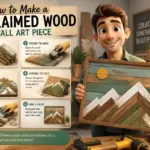
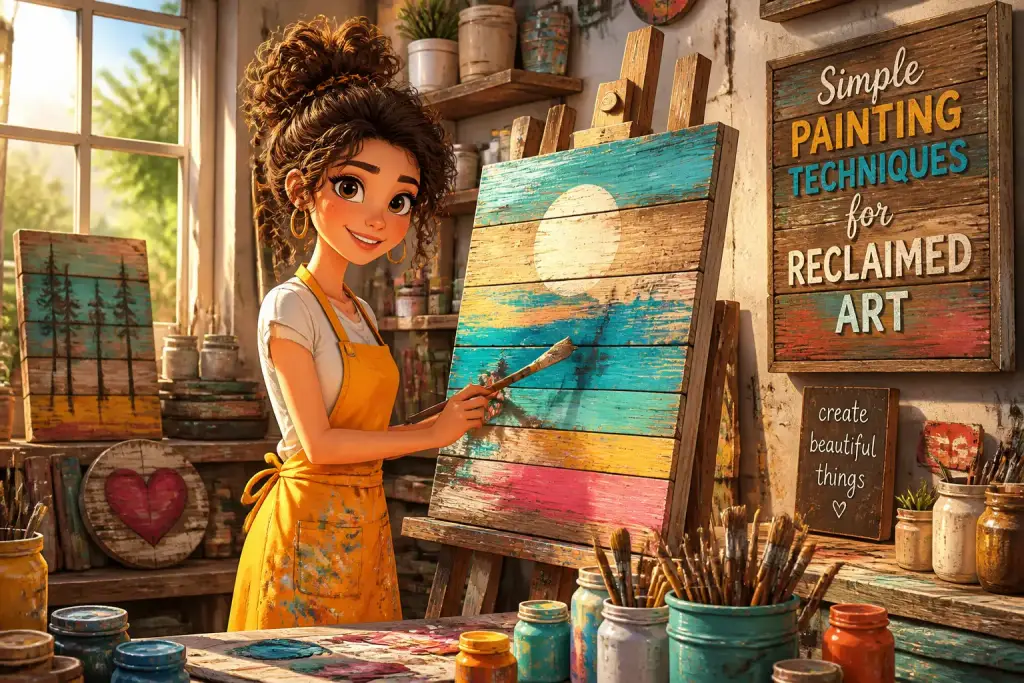
Creating reclaimed art can be a rewarding and fulfilling experience. Painting techniques play a vital role in transforming ordinary materials into beautiful works of art. Whether you are a beginner or an experienced artist, there are various simple painting techniques that can enhance your reclaimed art projects. This guide will explore these techniques in depth, helping to inspire creativity and sustainability in your artistic journey.
- Use natural materials for unique textures.
- Experiment with layering colors for depth.
- Select eco-friendly paints for safe art creation.
Table of Contents
Key Principles of Reclaimed Art and Its Significance
Reclaimed art involves using materials that have been discarded or repurposed, giving them new life and purpose. This approach not only promotes sustainability but also adds character to your creations. Each piece of reclaimed material tells a story, allowing artists to express their individuality while being environmentally conscious. Artists today are increasingly drawn to reclaimed materials, as they provide a unique canvas for creativity.
One of the most significant aspects of reclaimed art is its environmental impact. By using materials that would otherwise end up in landfills, artists contribute to reducing waste. Additionally, reclaimed art can help raise awareness about environmental issues, encouraging others to consider sustainability in their creative practices. As you embark on your painting journey, remember that each stroke can contribute to a greater cause.
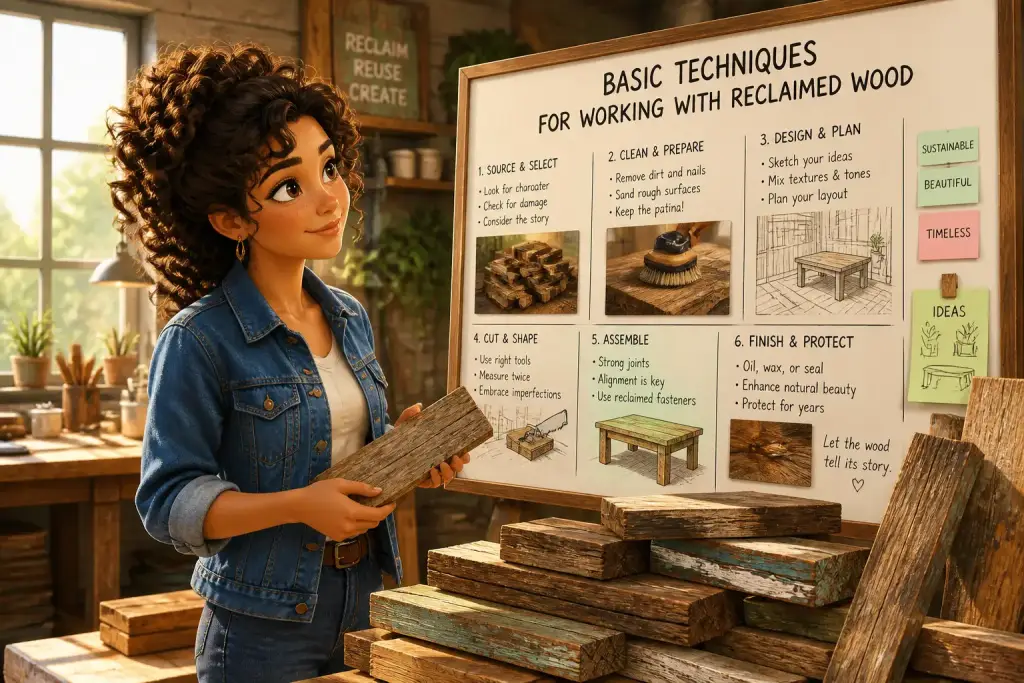
When beginning your reclaimed art project, it is essential to gather materials that resonate with you. This could include old wood, metal scraps, or even fabric remnants. Once you have your materials, think about how you want to express your vision through painting. The techniques you choose will greatly influence the final outcome of your artwork.
Gathering Your Supplies for Painting
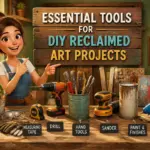
Before you start painting, it is crucial to gather all the necessary supplies. Having the right tools will make the process smoother and more enjoyable. Here are some essential items you will need:
- Eco-friendly paints: Choose water-based or non-toxic options to ensure safety and reduce environmental impact.
- Brushes: Have a variety of brushes in different sizes for detailed work and broader strokes.
- Palette: Use a disposable or reusable palette to mix and blend colors effectively.
- Drop cloth: Protect your workspace by covering surfaces with a drop cloth or old newspapers.
- Sealant: After painting, consider using a sealant to protect your artwork from wear and tear.
Each item plays a vital role in the painting process. Eco-friendly paints are particularly important, as they not only benefit your health but also the environment. Remember to check the labels to ensure you select the best options available. Additionally, having a variety of brushes will allow you to experiment with different techniques, enhancing your creative expression.
Once you have gathered your supplies, set up an inviting workspace. A well-lit area with ample room to move around will help you stay focused and inspired. Personalize your space with items that motivate you, such as inspirational quotes or images of other reclaimed art pieces.
Preparing Your Surface for Painting
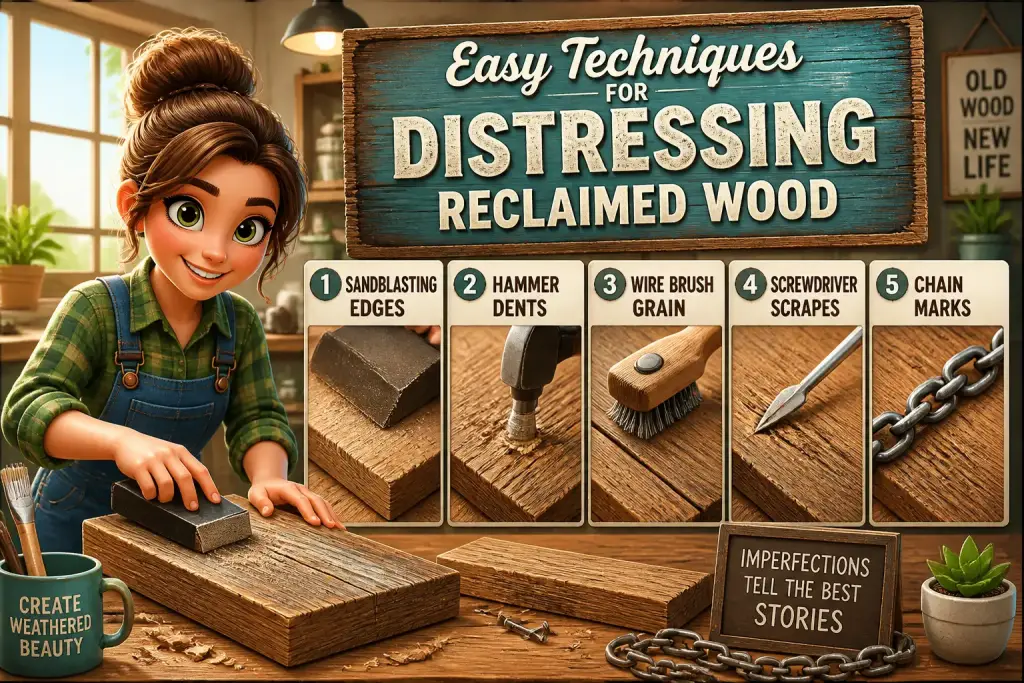
Proper surface preparation is vital for achieving the best results in your reclaimed art. Depending on the material you choose for your project, there are various steps you may need to follow. For instance, wooden surfaces often require sanding to create a smooth base.
Start by cleaning the surface thoroughly. Remove any dirt, dust, or old paint to ensure that the new paint adheres well. If you are using reclaimed wood, check for any loose splinters or rough edges, and sand them down. This will not only help the paint stick better but also create a polished appearance.
Steps for Preparing a Wooden Surface:
- Clean the wood with a damp cloth.
- Sand the surface using medium-grit sandpaper.
- Wipe away dust with a dry cloth.
- If desired, apply a primer to enhance paint adhesion.
Once your surface is clean and smooth, it’s time to consider the type of paint you will use. Depending on the look you want to achieve, you may opt for matte, gloss, or satin finishes. Each finish will create different effects, so it’s essential to choose one that aligns with your artistic vision.
Simple Techniques for Painting Reclaimed Art
With your supplies ready and your surface prepared, you can begin exploring various painting techniques. Each method offers a unique way to add depth, texture, and interest to your reclaimed art. Here are some simple techniques to get you started:
1. Dry Brushing
This technique involves using a dry brush to apply paint lightly on the surface. It creates a textured effect that highlights the natural grain of the material. To dry brush, dip your brush into the paint and then wipe off most of it on a paper towel. Lightly drag the brush across the surface, allowing the paint to catch on the raised areas.
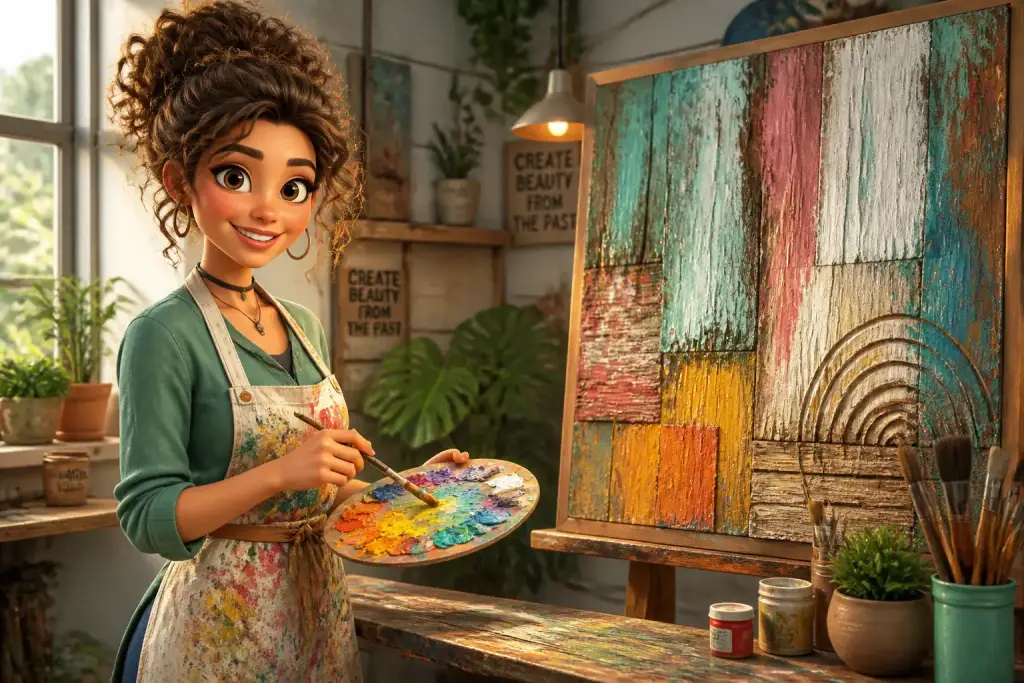
2. Layering Colors
Layering colors involves applying multiple coats of paint in different hues to create depth and dimension. Start with a base color and allow it to dry completely. Then, add a second color, allowing some of the base color to show through. This technique can create stunning visual effects and enhance the overall appearance of your artwork.
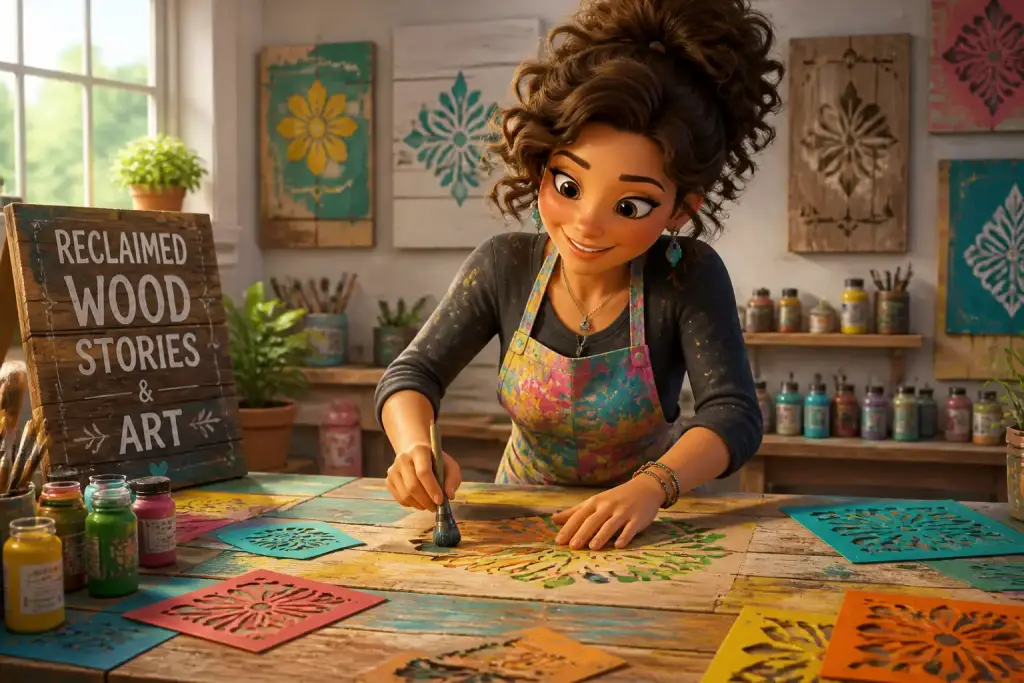
3. Stenciling
Stenciling adds intricate designs to your reclaimed art. Choose a stencil that complements your theme, and secure it to the surface. Use a sponge or brush to apply paint over the stencil, ensuring even coverage. Once removed, you will have a beautiful design that adds character to your piece.
- Choose a design that resonates with your art’s theme.
- Secure the stencil with painter’s tape to prevent movement.
- Use a light touch to avoid paint bleeding under the stencil.
Incorporating these techniques into your painting process can elevate your reclaimed art. Experiment with different combinations to find what works best for your style.
Always test your paint on a small surface before applying it to your main piece to ensure the desired effect.
Finishing Touches and Protection
After painting your reclaimed art, it is essential to apply finishing touches. These steps can enhance the look of your piece and ensure its longevity. Once your paint has dried completely, consider adding details such as highlights or shadows to create depth.
For added protection, applying a sealant is highly recommended. Sealants help shield your artwork from dust, moisture, and UV light. Choose a sealant that is compatible with your paint type. For example, if you used water-based paints, select a water-based sealant.
Steps for Applying a Sealant:
- Ensure the paint is fully dry.
- Use a clean brush to apply a thin, even layer of sealant.
- Allow the sealant to dry according to the manufacturer’s instructions.
- If necessary, apply a second coat for extra protection.
Taking these steps can significantly enhance the durability of your reclaimed art. Proper sealing will allow your artwork to be displayed in various environments without fading or damage.
Showcasing Your Reclaimed Art
Once your reclaimed art is complete and protected, it is time to showcase your work. Displaying your artwork allows you to share your creativity with others and appreciate your efforts. There are numerous ways to present your reclaimed art, whether in your home, at a gallery, or online.
Consider creating a dedicated space in your home to display your artwork. This could be a gallery wall where you mix and match different pieces or a standalone display on a shelf or table. Changing the arrangement periodically can keep the display fresh and engaging.
For those looking to share their art with a broader audience, consider participating in local art fairs or exhibitions. These events provide excellent opportunities to connect with other artists and art enthusiasts. Additionally, you can create an online portfolio to showcase your work, allowing people from around the world to appreciate your creations.
Utilizing social media platforms is another effective way to promote your reclaimed art. Share photos of your work, along with behind-the-scenes glimpses of your creative process. Engaging with your audience can help build a community around your art and inspire others to explore reclaimed materials in their projects.
Continuous Learning and Experimentation
The world of reclaimed art is vast and varied, offering countless opportunities for growth and exploration. As you continue your artistic journey, remain open to learning new techniques and experimenting with different materials. Each project can teach you something new, helping you refine your skills and develop your style.
Joining local art groups or online communities can provide valuable resources and support. Collaborating with other artists can inspire new ideas and techniques, allowing you to expand your creative horizons. Sharing experiences and receiving feedback can also help you improve your work over time.
Always remember that art is a personal expression of your thoughts and emotions. Allow yourself the freedom to make mistakes and learn from them. Each piece of reclaimed art you create contributes to your growth as an artist and storyteller.
Incorporating these simple painting techniques into your reclaimed art projects can lead to beautiful creations. With practice, patience, and a willingness to experiment, you can develop your unique style that reflects your passion for art and sustainability.