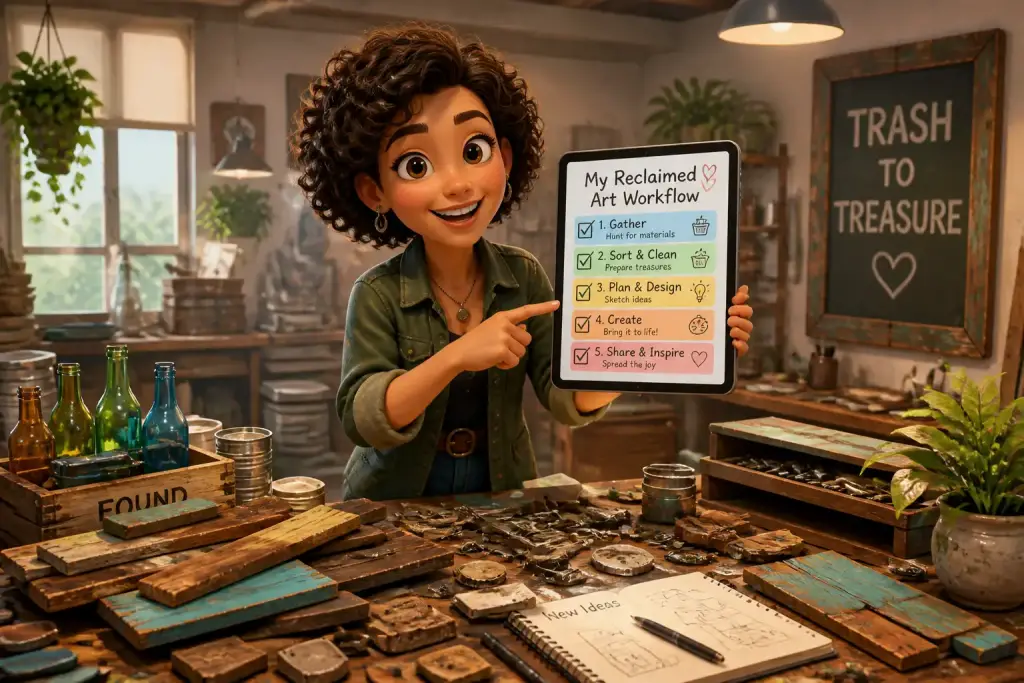








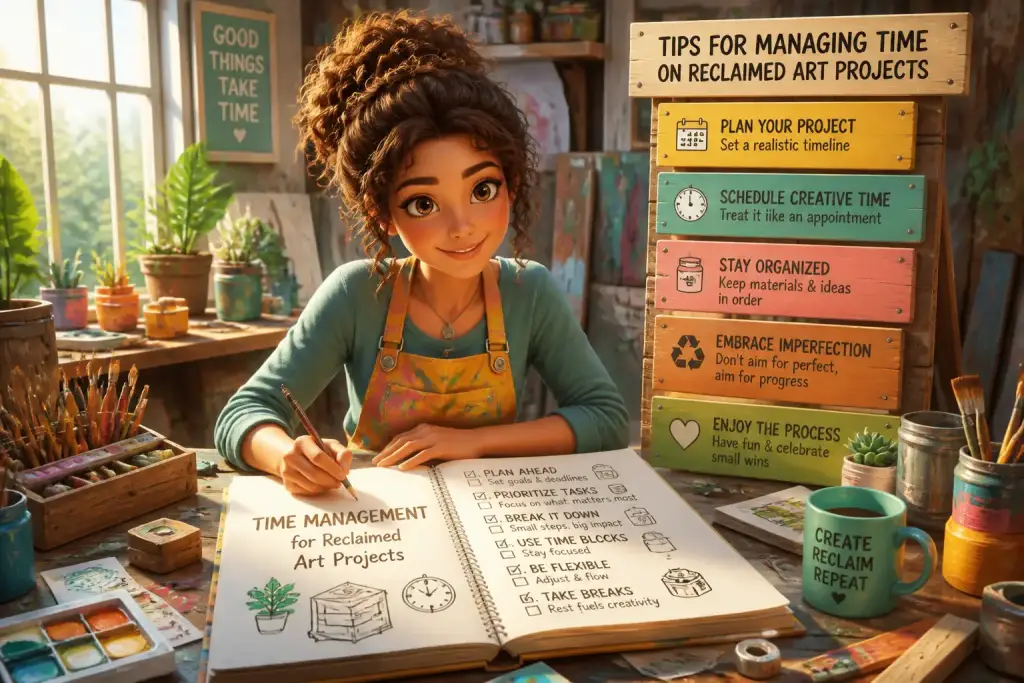
Managing time effectively on reclaimed art projects can make a significant difference in the creative process. With so many ideas and materials to work with, it can be easy to feel overwhelmed. Whether you are a beginner or an experienced artist, having a structured approach helps you utilize your time wisely. This guide will provide actionable tips to enhance your workflow and make your reclaimed art projects more enjoyable and productive.
- Create a detailed project timeline to stay on track.
- Use tools like checklists to organize tasks effectively.
- Set specific goals to measure progress consistently.
Table of Contents
Set Clear Objectives for Your Projects
Before starting any reclaimed art project, define what you want to achieve. Setting clear objectives helps you stay focused and motivated throughout the creative process. Ask yourself what you intend to create. Are you making functional art, decorative pieces, or something entirely unique? Having a goal in mind will guide your decisions as you work.
Break down your objectives into specific tasks. For example, if you want to create a reclaimed wood coffee table, your tasks might include researching designs, gathering materials, and planning the construction process. By breaking your project into smaller tasks, you can tackle them one at a time, making the overall project feel less daunting.
Writing down your objectives in a notebook or using digital tools can help you visualize your project. Consider using apps that assist in tracking your progress. This way, you can celebrate small wins along the way, which keeps your motivation high.
Example Objectives Breakdown
- Research design ideas – 1 week
- Gather materials – 2 weeks
- Create the coffee table – 3 weeks
Create a Detailed Project Timeline
A project timeline is essential for managing time effectively on your reclaimed art projects. It allows you to allocate sufficient time for each task and ensures that you do not rush through any part of the process. Start by estimating how long each task might take and create a schedule based on that.
Consider using a calendar or project management tool to visualize your timeline. Color-coding different tasks can help you identify what needs immediate attention. For instance, you might use one color for research, another for gathering materials, and a third for the actual creation. This visual aid helps you stay organized and understand where your time is going.
Regularly review your timeline to see if you are on track. Adjust your schedule as needed, especially if you encounter unexpected challenges. Being flexible with your timeline can help you manage stress and keep your creative flow intact.
Steps to Create a Project Timeline
- List all tasks needed for your project.
- Estimate the time required for each task.
- Input tasks and time estimates into a calendar.
- Review and adjust the timeline regularly.
Organize Your Workspace for Efficiency
Your workspace plays a vital role in how efficiently you manage time on your reclaimed art projects. A cluttered and disorganized space can lead to distractions and wasted time searching for tools or materials. Take the time to set up your workspace in a way that promotes creativity and efficiency.
Start by decluttering your area. Remove items that do not relate to your current project. Use storage solutions like bins or shelves to keep materials organized. Labeling containers can make it easy to find what you need when you need it. Consider creating a dedicated space for tools, so they are easily accessible as you work.
Lighting is another important factor. Ensure your workspace is well-lit, either through natural light or bright artificial lights. Good lighting can reduce eye strain and create a more inviting atmosphere, which may help increase your productivity.
Workspace Organization Tips
- Use clear bins for easy visibility of supplies.
- Keep frequently used tools within arm’s reach.
- Label containers for quick access.
Utilize Checklists for Task Management
Checklists are powerful tools for managing tasks in your reclaimed art projects. They help ensure that you do not overlook important steps and provide a sense of accomplishment as you check off completed tasks. Creating a checklist can be done at the beginning of your project or for each phase of your work.
For instance, if you are working on a mixed-media piece, your checklist might include tasks like gathering materials, sketching the design, and assembling the elements. Checklists can be simple or detailed, depending on your preference. Some artists prefer using digital apps, while others enjoy the satisfaction of writing on paper.
Regularly updating your checklist as you complete tasks can keep you motivated. It also allows you to adjust priorities if new ideas or materials arise during your project. This flexibility can lead to exciting creative outcomes while maintaining structure.
Steps to Create an Effective Checklist
- Write down all tasks related to your project.
- Organize tasks in the order they need to be completed.
- Regularly review and update the checklist as needed.
Implement Time Blocks for Focused Work
Time blocking is an effective technique for managing your hours while working on reclaimed art projects. This method involves setting specific periods during which you focus entirely on your tasks without distractions. For example, you might block out two hours in the morning for sketching and planning.
To implement time blocking, start by identifying your most productive hours. Some artists work best in the morning, while others find their creativity peaks in the evening. Once you know when you work best, allocate those times for your most important tasks. During these blocks, turn off notifications on your devices and limit distractions.
After each block, take a short break to recharge. This practice can help maintain your energy levels and keep your creativity flowing. Additionally, setting timers to mark the beginning and end of each block can help you stay accountable.
How to Implement Time Blocking
- Identify your most productive hours.
- Allocate specific tasks to those hours.
- Turn off distractions during work periods.
- Take short breaks between blocks for better focus.
Break larger tasks into smaller, manageable steps to avoid feeling overwhelmed and stay focused on your reclaimed art projects.
Reflect on Your Process and Adjust as Needed
Regular reflection on your workflow is essential for improving your time management skills in reclaimed art projects. After completing a project or reaching a significant milestone, take the time to analyze what worked and what did not. This evaluation can help you identify areas for improvement in your future work.
Consider keeping a journal to document your experiences. Write about the challenges you faced, the techniques that helped you, and any changes you would like to make next time. This practice can provide valuable insights and help you refine your approach over time.
Discussing your process with fellow artists can bring fresh perspectives. They may share tips or strategies that you have not considered. Engaging with a community can also provide motivation and support, making your creative journey more enjoyable.
Reflection Steps to Enhance Future Projects
- Document your project experiences in a journal.
- Identify what worked and what could be improved.
- Discuss your process with peers for new insights.
Managing time on reclaimed art projects does not have to be a stressful experience. By setting clear objectives, creating a detailed timeline, organizing your workspace, utilizing checklists, implementing time blocks, and reflecting on your process, you can enhance your creativity and productivity. This structured approach allows your artistic vision to flourish while making the most of your time and resources. Enjoy the journey of creating reclaimed art!