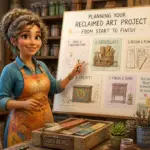

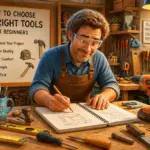


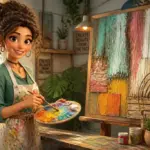


Creating DIY reclaimed art is a fulfilling way to enhance your home decor while expressing your creativity. This practice allows you to repurpose discarded materials, turning them into beautiful and unique pieces that reflect your personal style. Whether you are an experienced artist or a complete beginner, crafting art from reclaimed materials can be an enjoyable and rewarding experience. With just a few basic tools and a little inspiration, you can transform your living space and create meaningful art.
- Use reclaimed wood for unique wall art that tells a story.
- Combine various materials for eye-catching decor pieces.
- Personalize items to reflect your style and interests.
Table of Contents
Finding Inspiration in Reclaimed Materials
Finding inspiration for your DIY reclaimed art projects starts with understanding the materials available to you. Reclaimed wood, metal scraps, and old furniture can all serve as excellent bases for your creations. Visit local flea markets, thrift stores, or salvage yards to discover unique items that can be transformed into art. When browsing, keep an open mind and think creatively about what each item could become.
For instance, old wooden pallets can be broken down and rearranged into decorative wall art or shelving units. Rusty metal signs can be painted over or integrated into mixed media pieces. The key is to look beyond the surface of these materials and envision how they can be repurposed. Additionally, consider the stories behind the items. Each piece carries its own history, which can add a layer of meaning to your art.
Types of Materials to Consider
- Wood: Pallets, barn wood, or even old furniture can be used to create stunning wall art or functional pieces.
- Metal: Look for scrap metal, old tools, or vintage signs that can add an industrial touch to your decor.
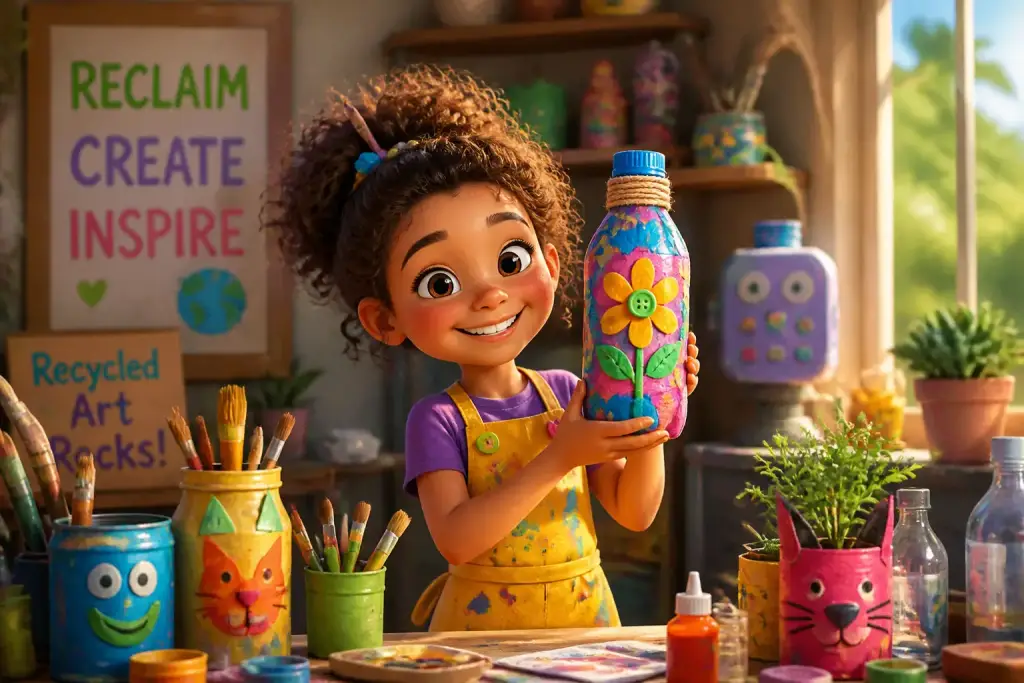
- Glass: Bottles and jars can be transformed into unique light fixtures or decorative vases.
- Fabric: Old textiles can be used in mixed media projects to add texture and color.
Collecting materials can be part of the fun. Spend an afternoon exploring local shops or browse online marketplaces for inspiration. Document your findings with photos or sketches to help you visualize your ideas. Over time, you will develop a keen eye for what can be transformed into beautiful art.
Crafting Unique Wall Art
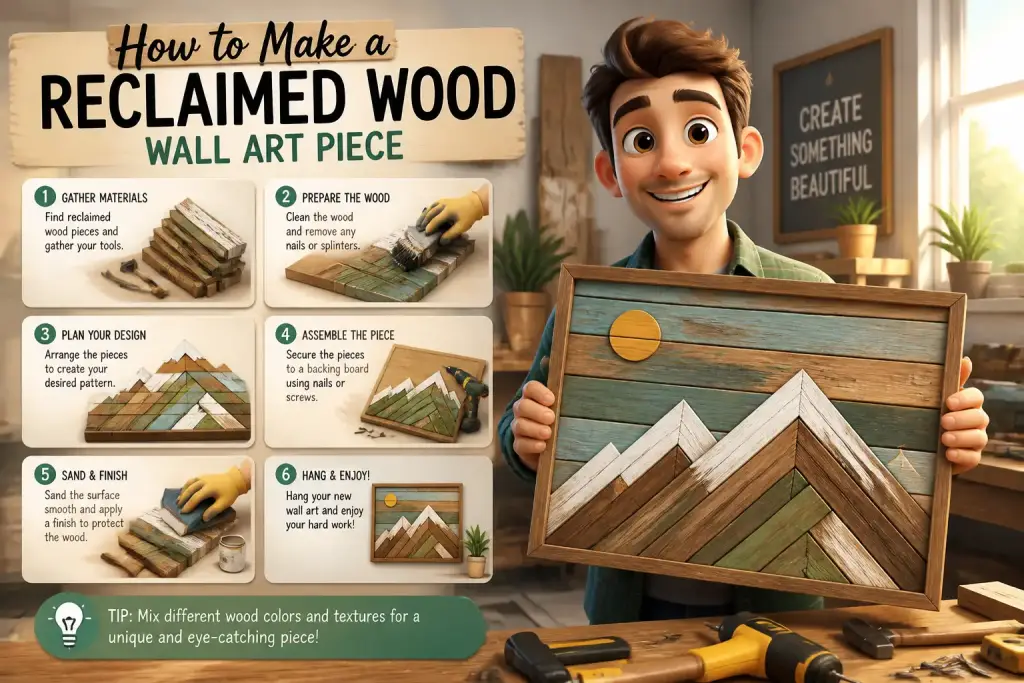
Wall art is a fantastic way to showcase your DIY reclaimed art. It can serve as a focal point in any room, adding color and personality to your decor. One popular method is to create a large statement piece using reclaimed wood. This project is not only visually striking but also environmentally friendly.
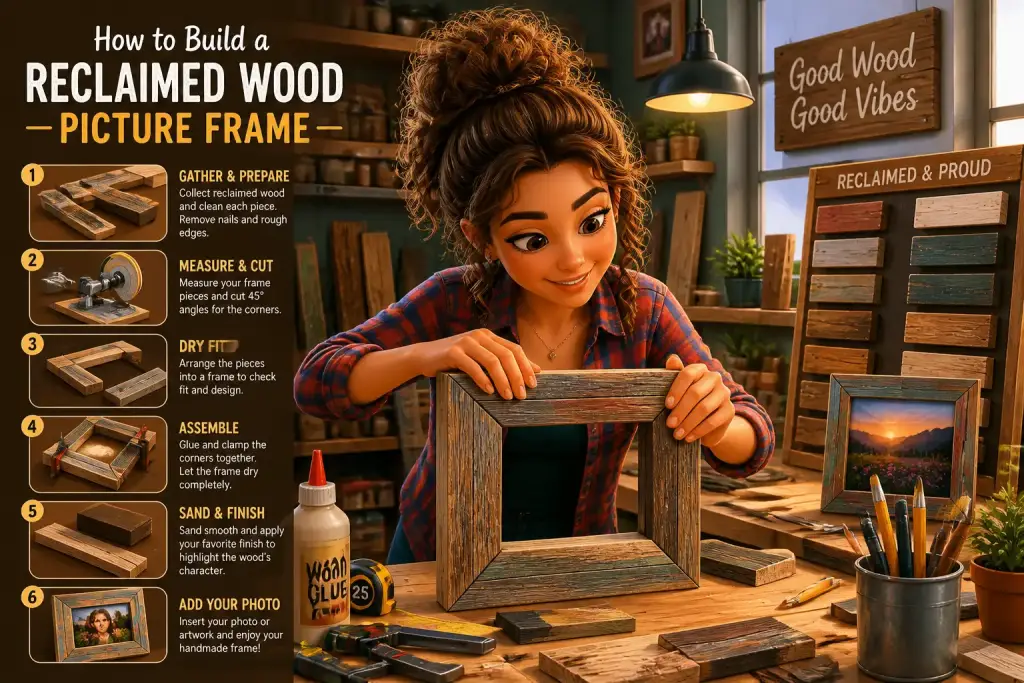
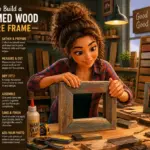
Start by gathering various pieces of reclaimed wood in different shapes, sizes, and colors. Sand the wood to remove any rough edges and ensure a smooth finish. Lay out the pieces on the floor to determine how you want them arranged. This step allows you to experiment with different designs before committing to a final layout. Once satisfied, attach the pieces together using wood glue or screws for stability.
Step-by-Step Process for Making a Wood Wall Art
- Gather materials: Collect reclaimed wood, sandpaper, wood glue, and screws.
- Prepare the wood: Sand the edges and surfaces of each piece to create a polished look.
- Arrange the pieces: Lay out the wood on the floor or a large table to visualize your design.
- Attach the wood: Once satisfied with the arrangement, glue or screw the pieces together for a sturdy construction.
- Finish your art: Optionally, paint or stain the wood to achieve your desired look.
Hang your completed wall art using appropriate hardware to ensure it is secure. This personalized piece will not only brighten your space but also serve as a conversation starter for guests. Each time you look at it, you will remember the creative journey you took to create it.
Creating Functional Decor Items
Beyond wall art, DIY reclaimed art can be functional. Items like shelves, tables, and light fixtures can add both beauty and utility to your home. Crafting functional pieces allows you to incorporate reclaimed materials into your everyday life while showcasing your creative skills.
One popular project is turning reclaimed wood into a stylish shelf. Begin by selecting a sturdy piece of wood that fits your desired dimensions. Sand the wood to remove any splinters, then apply a finish to protect it. Next, install brackets or use a cleat system to mount the shelf securely on the wall. This shelf can display your favorite books, plants, or decorative items.
Ideas for Functional Reclaimed Art
- Reclaimed Wood Shelves: Create simple or elaborate shelving units for any room.
- Furniture Refurbishing: Update old furniture with fresh paint and new handles, merging old with new.
- Lighting Fixtures: Use old jars or wood to design unique pendant lights or table lamps.
Each functional piece not only serves its purpose but also tells a story about sustainability and creativity. By integrating art into everyday items, you can create a cohesive theme throughout your home while reducing waste.
Check local salvage yards and online marketplaces for affordable reclaimed materials. You can find hidden treasures to inspire your DIY projects.
Personalizing Your Projects
Personalization is key when crafting DIY reclaimed art. Adding your unique touch makes each piece special and can transform an ordinary item into a cherished treasure. Think about what inspires you or represents your personality when creating your projects.
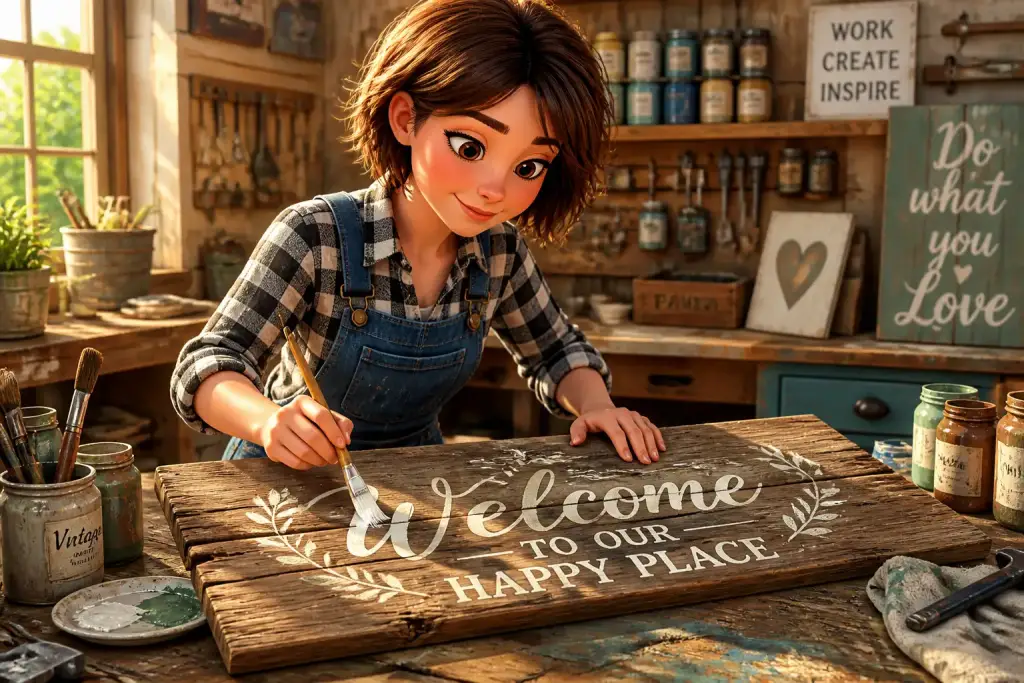
For example, consider incorporating meaningful quotes, family photos, or even your artwork into your designs. Using stencils or freehand painting, you can add text or designs to reclaimed wood pieces. This not only enhances the visual interest but also makes the art more personal. Guests will appreciate the stories behind each item, adding to its charm.
Techniques for Personalization
- Stenciling: Use stencils for clean, precise designs that convey your message.
- Decoupage: Apply photos or decorative paper to surfaces using glue for a unique look.
- Freehand Painting: Use brushes to create designs or quotes that reflect your style.
Personalizing your projects not only enhances their aesthetic value but also creates a deeper connection to your home decor. Each piece becomes a reflection of your journey, creativity, and style, making your space feel truly unique.
Tips for Getting Started with DIY Reclaimed Art
Starting your journey into DIY reclaimed art may seem daunting, but with a few tips, you can set yourself up for success. First, gather the right tools and materials. Basic tools such as a saw, sandpaper, screws, and a drill will serve you well. You don’t need to invest in expensive equipment; simple tools can accomplish most tasks.
Second, create a dedicated workspace. Having a designated area for your projects allows you to stay organized and focused. Ensure your workspace is well-lit and equipped with all necessary materials. This setup will help streamline your process and keep distractions at bay.
Essential Tips for Beginner Artists
- Start Small: Begin with simple projects to build your confidence and skills.
- Document Your Process: Take photos of your work to track your progress and share with others.
- Seek Feedback: Share your projects with friends or online communities for constructive feedback and ideas.
By following these tips, you can ease into the world of DIY reclaimed art, gaining confidence with each project. Remember that the process is just as important as the final piece, so enjoy the journey of creating something beautiful and unique.
Incorporating DIY reclaimed art into your home decor is not only a way to beautify your space but also a means to express your creativity and values. With a little effort and imagination, you can turn discarded materials into stunning, meaningful art that enhances your living environment. Embrace the challenge, and you may discover a new passion that enriches your home and life.