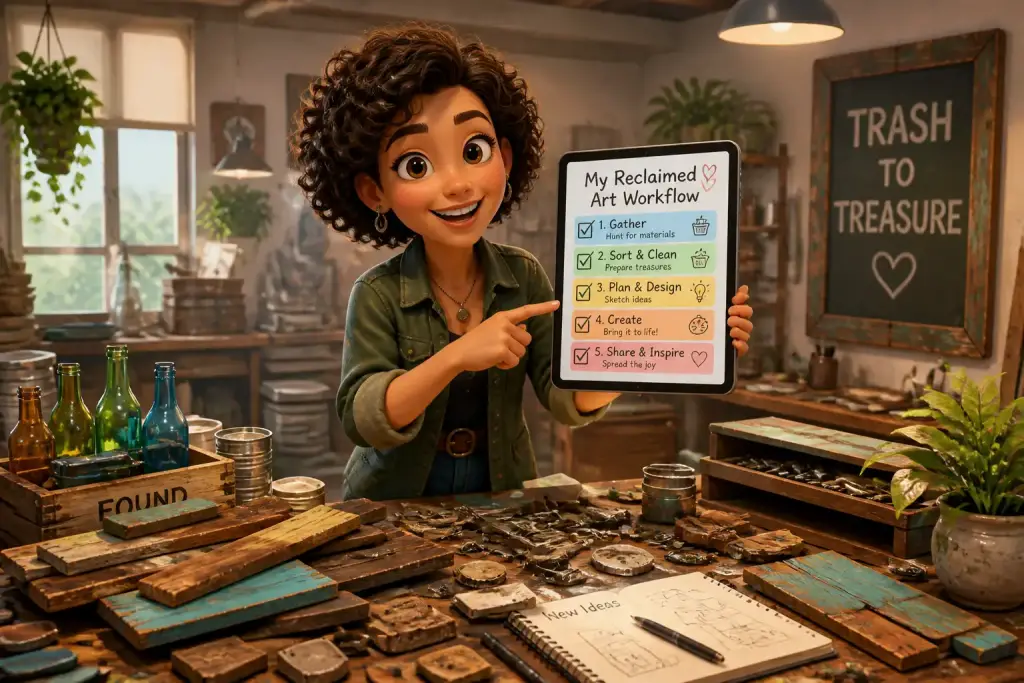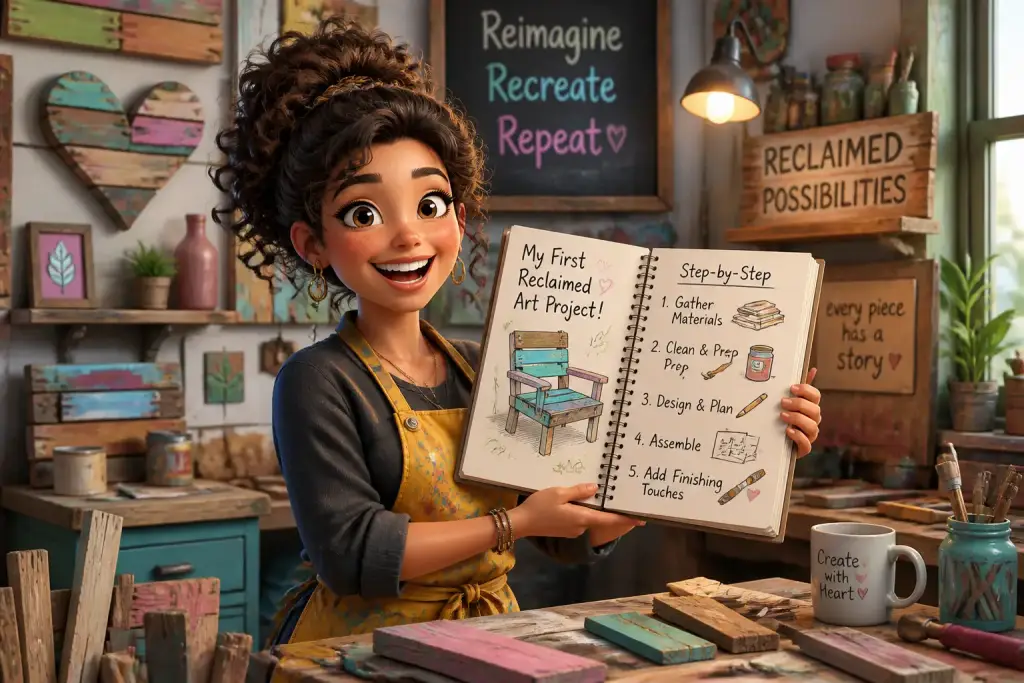


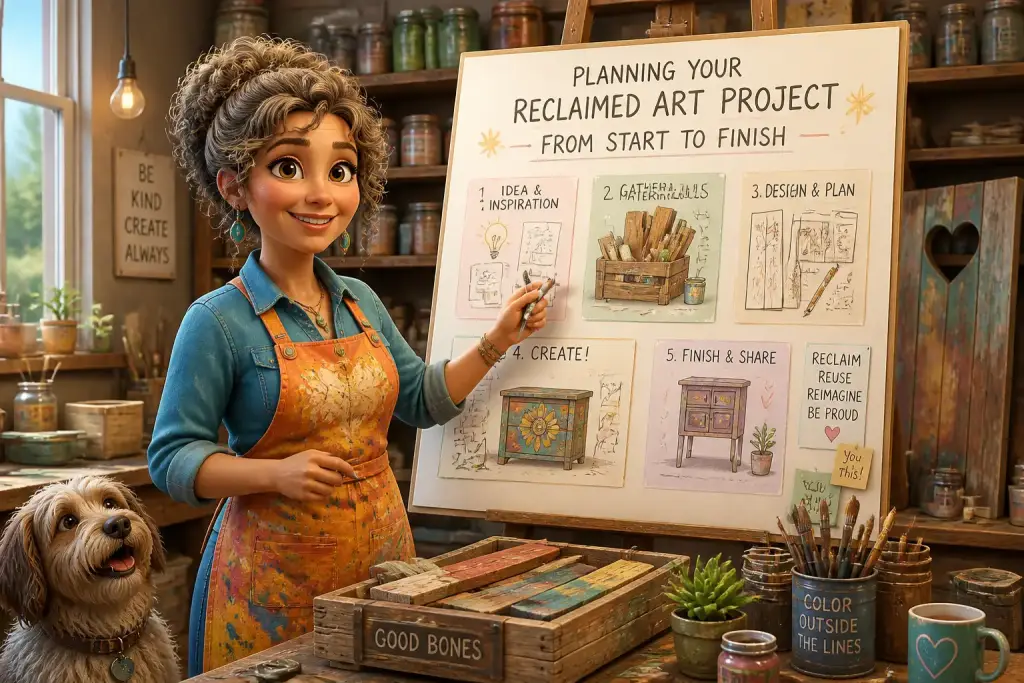
Reclaimed art projects offer a wonderful opportunity to create unique pieces while promoting sustainability. These projects can transform old, forgotten materials into beautiful works of art. Planning your reclaimed art project from start to finish is essential for success. With the right approach, you can craft pieces that not only look great but also tell a story. This guide will take you through the necessary steps to bring your vision to life.
- Define your vision and gather inspiration for your reclaimed art project.
- Choose materials wisely, focusing on sustainability and availability.
- Plan your project with a detailed timeline and a clear budget.
Table of Contents
Defining Your Vision
Every successful reclaimed art project starts with a clear vision. Spend some time thinking about what you want to create. Are you looking to make functional art, like furniture or home decor, or purely aesthetic pieces? Consider your personal style and the message you wish to convey. Gathering inspiration from various sources can help you refine your concept. Visit art galleries, browse online platforms like Pinterest, and explore local artisan markets to see what resonates with you.
Once you have some ideas, sketch them out. This step does not have to be perfect; it is about getting your thoughts on paper. Visualizing your project will help you identify any challenges early on. You might want to ask yourself questions like: What materials do I want to use? What colors appeal to me? How large will my piece be? These inquiries will guide you through the next steps.
Gathering Inspiration
- Visit local art exhibits to see how artists use reclaimed materials.
- Browse online platforms for unique ideas and styles.
- Join art community groups to share concepts and get feedback.
Exploring different art forms can also spark new ideas. You might find inspiration in photography, sculpture, or even nature. The more diverse your sources, the richer your final piece will be.
Choosing the Right Materials
Selecting the right materials is critical for any reclaimed art project. Look for locally sourced items that are easy to find and affordable. Consider visiting salvage yards, flea markets, and even construction sites where you might find discarded wood, metal, or glass. You can even repurpose old furniture or household items that no longer serve their original purpose.
When choosing materials, think about their durability and how they will fit together in your project. Some materials may require additional treatment or preparation, such as sanding or painting. For example, reclaimed wood often needs to be sanded down to remove splinters and dirt before use. If you are unsure of how to prepare certain materials, learning about sanding techniques can be very helpful.
Materials to Consider
- Wood: Look for old pallets, barn wood, or furniture scraps.
- Metal: Consider pipes, cans, or old tools.
- Glass: Reuse bottles, jars, or broken window panes.
Each material has its own characteristics and potential. Understanding these will help you create a cohesive art piece that stands out. Be sure to consider the environmental impact of your choices as well; selecting sustainable materials can add another layer of meaning to your finished work.
Planning and Designing Your Project
Now that you have defined your vision and gathered materials, it is time to plan your project. This phase involves creating a detailed timeline and budget. Start by listing all the tasks you need to complete, from gathering materials to final assembly. Break these tasks down into smaller steps to make them manageable.
Establish deadlines for each phase of your project. For instance, you might allocate time for research, material collection, and assembly. Planning helps to keep you organized and motivates you to stay on track. A well-structured timeline will also allow you to make adjustments as needed without feeling overwhelmed.
Creating a Budget
- List all potential expenses, including materials, tools, and workspace supplies.
- Research the average costs for each item to estimate your total budget.
- Set aside a small amount for unexpected costs that may arise.
Sticking to a budget can be challenging, especially with the allure of beautiful materials. However, it is essential to keep track of your spending to ensure that the project remains financially feasible. You can even explore creative ways to save money, such as borrowing tools from friends or using leftover materials from previous projects.
Executing Your Art Project
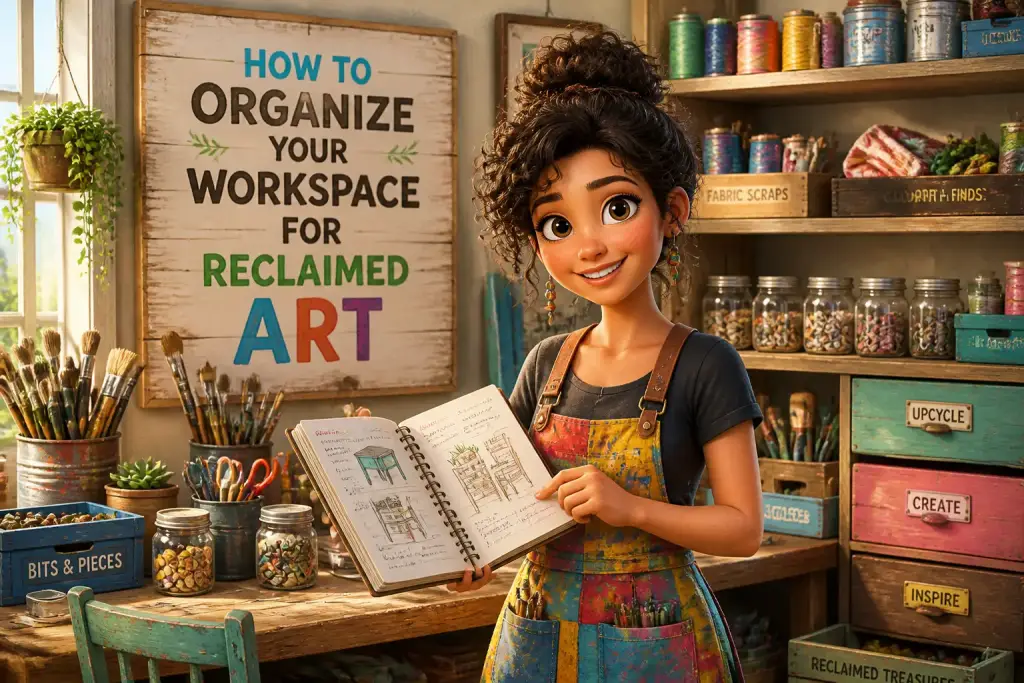
With a plan in hand, the next step is execution. Start gathering your materials and setting up your workspace. A well-organized area can significantly enhance your creativity and efficiency. Arrange your materials in a way that makes it easy to access them as you work. Having everything you need within reach helps to streamline the crafting process.
Take your time during the assembly phase. This part is where your vision starts to take shape. Depending on the complexity of your project, the assembly could take several hours or even days. Focus on quality over speed. If you encounter challenges, do not be afraid to rethink your approach. Adjusting your design on the fly can lead to unexpected and exciting results.
Step-by-Step Execution
- Gather and organize all materials.
- Follow your design sketches closely, but remain flexible for changes.
- Take breaks to avoid fatigue and maintain creativity.
Remember that creating art is a journey. Each step is an opportunity to express yourself and learn something new. If you feel stuck, take a moment to step back and review your progress. Sometimes, a fresh perspective can inspire new ideas.
Set up a designated workspace that inspires creativity and keeps your materials organized for easy access during your project.
Finishing Touches and Presentation
Once your art piece is assembled, it is time for the finishing touches. This step can transform your project from a rough draft into a polished masterpiece. Depending on your materials, you might want to apply paint, varnish, or other finishes to protect and enhance your work. For example, wood projects often benefit from a clear sealant to enhance the natural grain and provide durability.
Consider how you want to present your artwork. Will it be displayed indoors or outdoors? This decision can influence your finishing choices, as certain materials perform better in different environments. If you plan to showcase your piece outside, ensure that it is weatherproofed and suitable for outdoor conditions.
Presentation Ideas
- Use frames or stands for display.
- Incorporate lighting to highlight features.
- Arrange multiple pieces together for a cohesive gallery look.
After completing the finishing touches, take a moment to step back and admire your work. This is your moment to appreciate the effort and creativity you have put into your reclaimed art project. Sharing your finished piece with others can also be rewarding. Consider displaying it at local art shows or online platforms to inspire others.
Sharing and Selling Your Art
Promoting your reclaimed art can be an exciting next step. If you wish to sell your creations, explore local markets, online shops, or art fairs. Many platforms connect artists directly with buyers, making it easier to reach a wider audience. Social media is another powerful tool for sharing your work. Create an online presence to showcase your art and interact with potential customers.
Networking with other artists can also provide valuable opportunities for collaboration and inspiration. Join local art groups or online communities to share experiences and gain feedback. Engaging with fellow artists can help you refine your craft and motivate you to continue creating.
Marketing Strategies
- Use social media to showcase your process and finished pieces.
- Participate in local art fairs to gain exposure.
- Create an online store to sell your work directly to consumers.
Building a brand around your art can enhance your visibility and credibility. Consider creating a logo or consistent aesthetic across your online platforms. This branding helps to differentiate your work in a crowded market and can attract loyal customers.
Putting The Joy of Creating Into Daily Practice
Planning your reclaimed art project involves a blend of creativity, organization, and resourcefulness. By defining your vision, choosing the right materials, and executing your plan with care, you can create stunning pieces that reflect your unique style. Each step of the process offers a chance to learn and grow as an artist. Remember that the journey of creating art is just as important as the final product. Embrace the challenges and joys that come with it, and you will find fulfillment in every project.
As you continue to explore reclaimed art, do not hesitate to experiment and push your boundaries. Each project is an opportunity to express yourself and contribute to a more sustainable world. Your reclaimed art can inspire others to rethink their relationship with materials and see the beauty in what has been discarded.
Your creativity knows no bounds, and with each project, you can make a positive impact on both your life and the environment. Happy creating!