








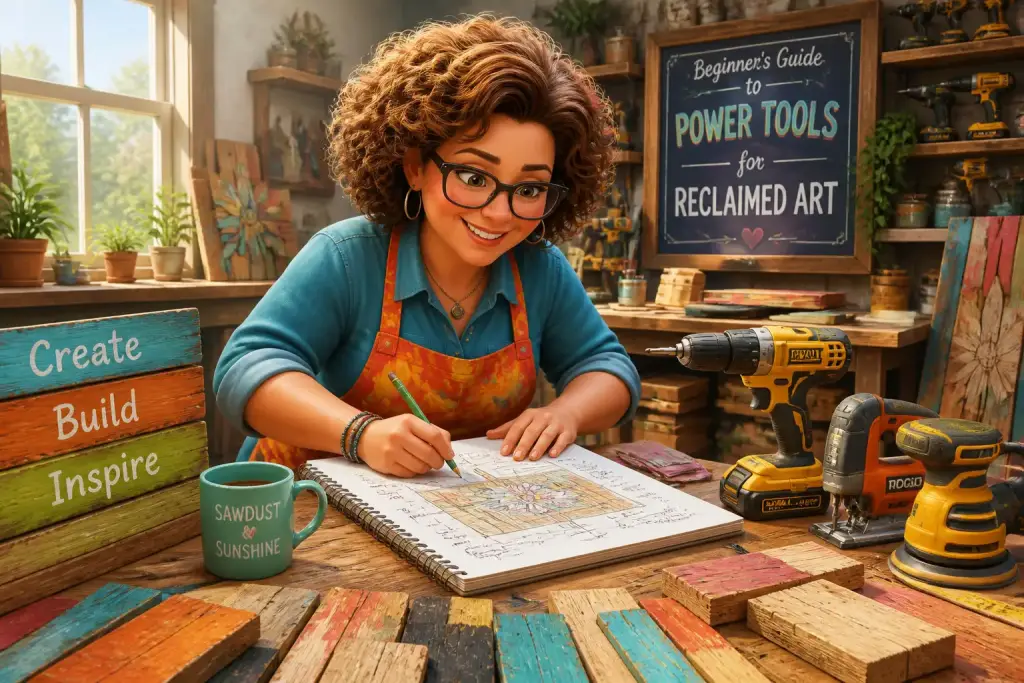
Creating reclaimed art can be an exciting and rewarding experience. Using power tools can elevate your projects, allowing for greater creativity and efficiency. These tools help transform old materials into unique works of art. This guide will introduce you to the essential power tools needed for reclaimed art, ensuring you can create stunning pieces while working safely and effectively.
- Power tools can enhance creativity and efficiency in reclaimed art projects.
- Understanding tool safety and proper usage is crucial for success.
- Experimenting with various reclaimed materials can yield unique art pieces.
Table of Contents
Choosing the Right Power Tools
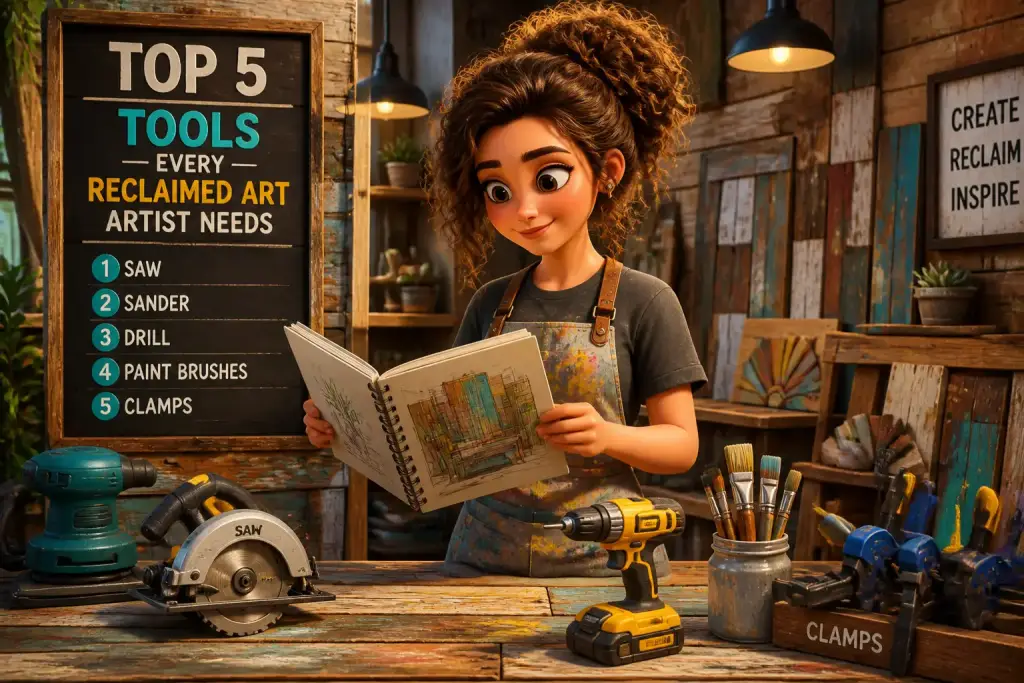
Selecting the right power tools is crucial for any art project involving reclaimed materials. Many tools serve different purposes, so understanding what you need for your specific projects will save time and effort. Beginners should consider a few key power tools that provide versatility and ease of use.
Start with a circular saw. This tool is perfect for cutting reclaimed wood into various shapes and sizes. It offers the ability to make straight cuts quickly. A jigsaw is another valuable tool, especially for more intricate designs. It can cut curves and detailed shapes, making it ideal for artistic projects.
- Drill: A cordless drill is essential for creating holes in wood and assembling pieces together. This tool can also drive screws, which makes it versatile.
- Sander: A power sander helps smooth out rough edges on reclaimed wood. This is important for ensuring your art pieces are safe to handle.
- Router: This tool can add decorative edges and grooves to your pieces, enhancing their overall appearance.
Before purchasing any tools, consider your budget and the types of projects you plan to undertake. Investing in quality tools will provide better results and last longer. Always remember that safety features should also be a priority when selecting power tools.
How Power Tool Safety Works in Practice
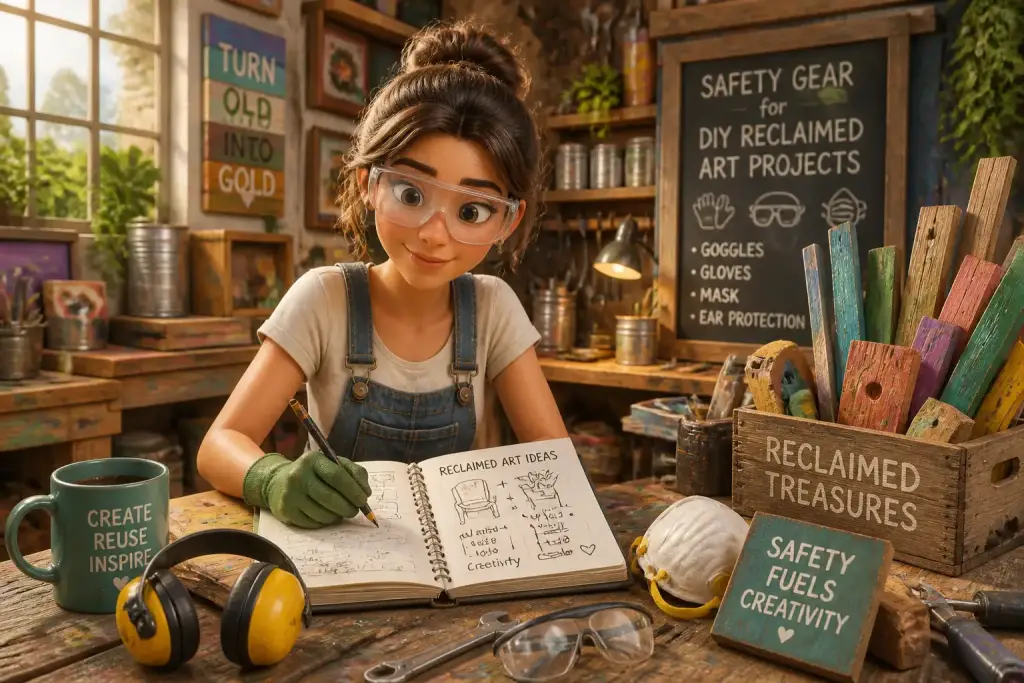
Safety is essential when working with power tools. Each tool comes with its own set of risks, so it is vital to understand how to use them properly. Wearing the right personal protective equipment (PPE) is the first step to ensuring safety in your workshop.
Start with safety goggles to protect your eyes from flying debris. Hearing protection is also important, especially when using loud tools like saws and sanders. A dust mask is necessary to keep harmful particles out of your lungs, particularly when sanding reclaimed wood, which can create fine dust.
Basic Safety Rules
Follow these basic safety rules when using power tools:
- Read the manufacturer’s instructions for each tool before use.
- Keep your workspace clean and organized to avoid accidents.
- Always unplug tools when changing blades or bits.
- Use clamps to secure materials when cutting or drilling.
Practicing good safety habits will help prevent injuries and make your workshop a more enjoyable place to create. Additionally, consider taking a workshop or class to improve your skills and knowledge about power tools.
Essential Techniques for Working with Reclaimed Materials
Working with reclaimed materials presents unique challenges and opportunities. Understanding how to work with these materials effectively can lead to stunning art pieces. Begin by assessing the condition of the reclaimed wood or metal you intend to use. Look for signs of rot, insect damage, or structural weaknesses.
Once you have chosen your materials, the next step is to prepare them for use. This often involves cleaning and sanding the surfaces to remove dirt and old finishes. A power sander can be especially helpful in this process. It allows you to achieve a smooth finish quickly, making your reclaimed materials ready for further transformation.
Preparing Reclaimed Wood
Follow these steps to prepare reclaimed wood:
- Remove any nails or screws that may be embedded in the wood.
- Use a wire brush to clean off dirt and debris.
- Sand the surfaces, starting with coarse sandpaper and progressing to finer grits.
- Consider applying a wood conditioner to help the finish adhere better.
These techniques ensure that your reclaimed materials are in excellent condition for your art projects. Proper preparation can significantly improve the longevity and appearance of your finished pieces.
Creative Project Ideas Using Power Tools
Having the right tools opens a world of possibilities for creating reclaimed art. With a bit of imagination, you can turn seemingly unusable materials into beautiful creations. Here are a few project ideas to inspire your work.
Start with a simple reclaimed wood picture frame. This project is ideal for beginners and allows you to practice cutting and assembling wood. Use your circular saw to cut the wood to size, and then drill holes for screws or nails to hold it together. Finally, sand the frame to smooth out any rough edges.
Another creative idea is making wooden garden art sculptures. Use various pieces of reclaimed wood to create unique shapes and designs. A jigsaw can help you cut intricate patterns, while a router can add decorative edges. Once your sculpture is assembled, consider painting or staining it to enhance its appearance. You can find more tips on adding texture to your projects in our article on mixing textures in reclaimed art projects.
Building a Reclaimed Wood Table
For those looking for a more challenging project, building a reclaimed wood table can be very rewarding. Follow these steps to create your own:
- Choose the wood pieces you want to use for the tabletop and legs.
- Cut the wood to the desired sizes using a circular saw.
- Sand all surfaces to remove rough edges.
- Assemble the table by attaching the legs to the tabletop with screws.
- Finish the table with a stain or sealant to protect it.
This table will not only serve a functional purpose but also add character to your home. Working with reclaimed wood not only benefits the environment but also gives each piece a unique story.
Always wear safety goggles and a mask when using power tools to protect your eyes and lungs from dust and debris.
Maintaining Your Power Tools
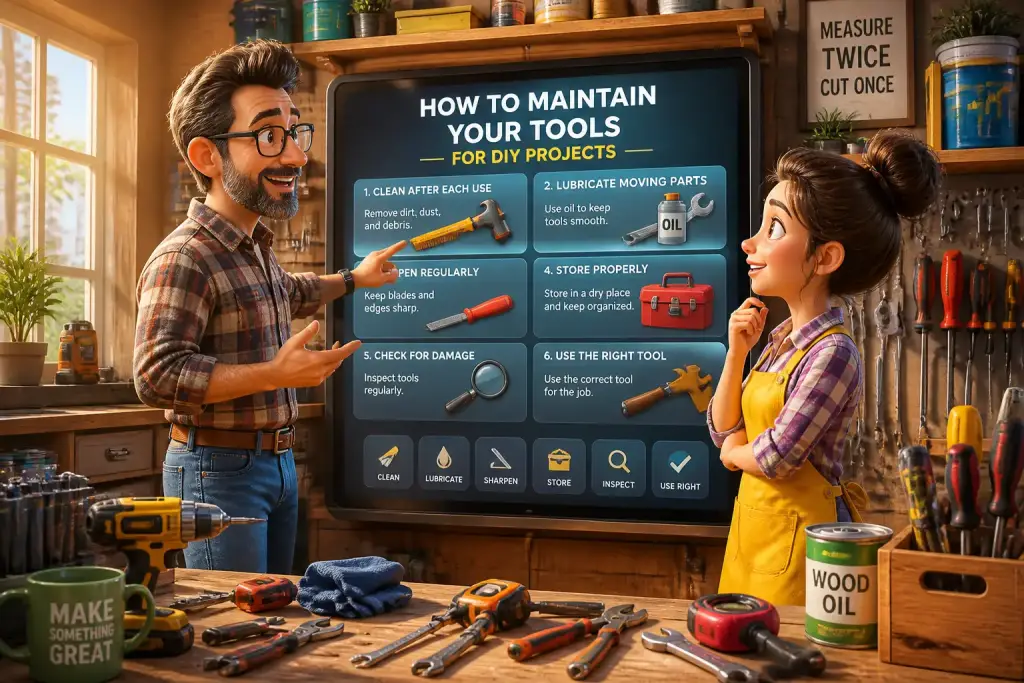
Taking care of your power tools is essential for ensuring their longevity and performance. Regular maintenance can prevent breakdowns and keep your tools in excellent working condition. Start by cleaning your tools after each use. Dust and debris can accumulate and affect performance over time.
Check your tools for any signs of wear or damage. Replace worn-out parts such as blades, bits, and filters as needed. Additionally, lubricate moving parts according to the manufacturer’s recommendations. This will help maintain smooth operation and extend the life of your tools.
Storage Tips
Proper storage of your power tools is also important. Consider the following tips for effective storage:
- Store tools in a dry, cool place to prevent rust and corrosion.
- Use a dedicated toolbox or pegboard for organization.
- Keep cords untangled and secured to avoid damage.
By investing time in maintaining your power tools, you ensure they remain reliable assets in your reclaimed art projects. Regular upkeep will save you from unexpected repairs and help you stay focused on your creative endeavors.
Power tools can open up new possibilities for your reclaimed art projects. Understanding which tools to use, how to work safely, and how to maintain your equipment will enhance your creativity and productivity. With practice and patience, you can create stunning pieces that showcase your artistic vision.