




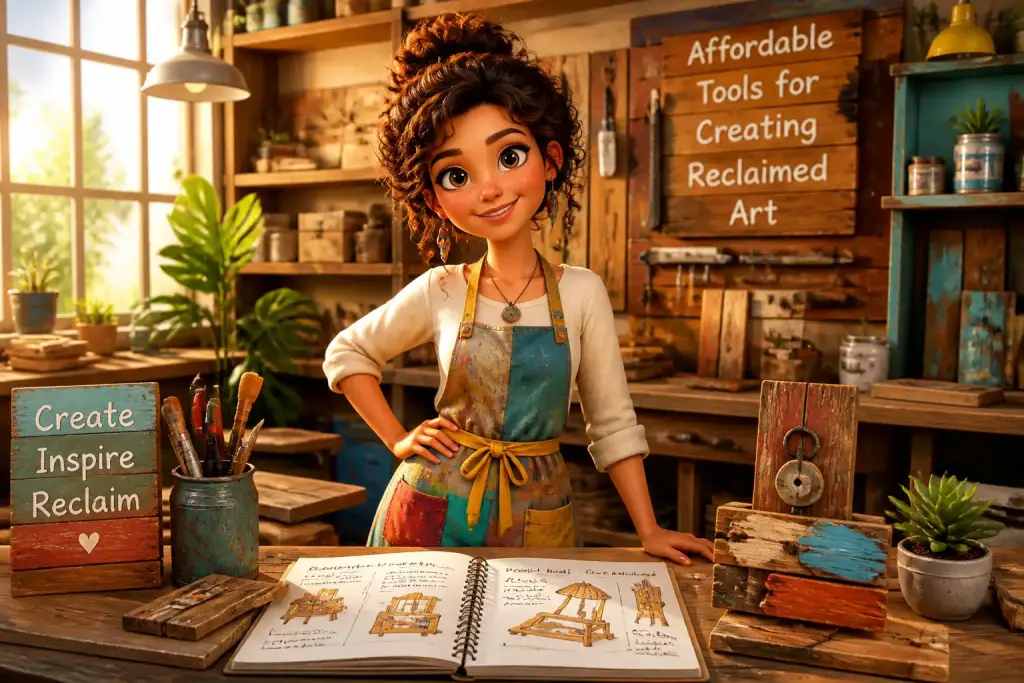
Creating reclaimed art not only promotes sustainability but also allows artists to express their creativity without spending a fortune. Many individuals are eager to engage in this art form, but they may not know where to start or how to find affordable tools. This guide provides a comprehensive look at the essential tools for creating reclaimed art, along with practical tips on how to use them effectively. By the end, you will be equipped to transform found materials into beautiful art pieces.
- Explore budget-friendly tools to create reclaimed art.
- Maximize your creativity with simple, effective techniques.
- Learn how to choose materials that inspire unique designs.
Table of Contents
Essential Tools for Reclaimed Art
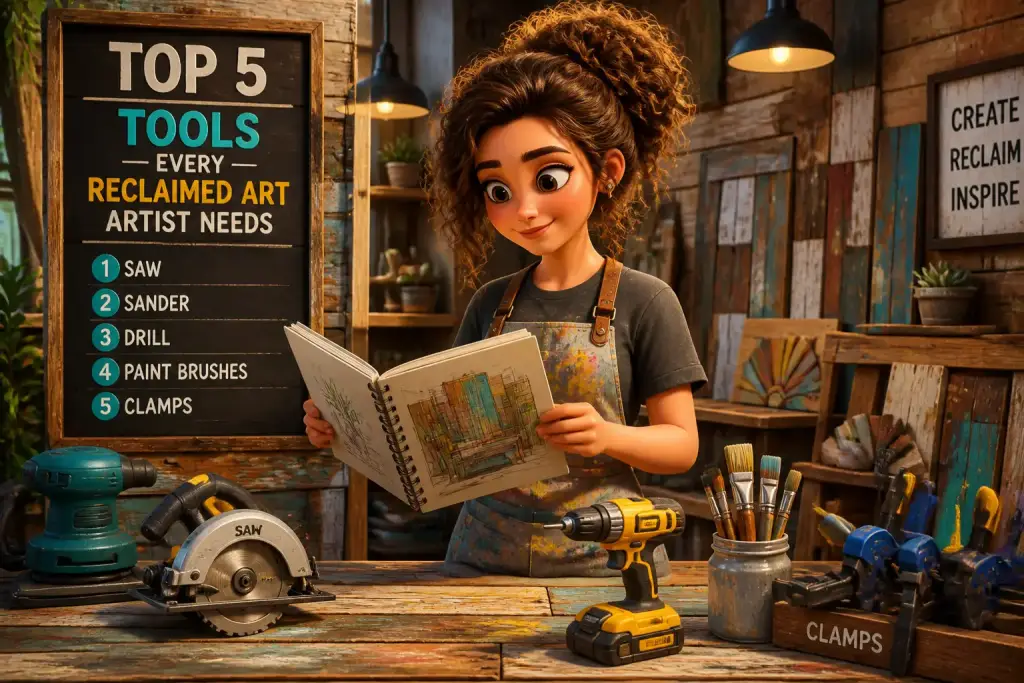
When starting with reclaimed art, having the right tools is vital. You don’t need a large budget to gather these tools. Many essential items can be found at local hardware stores or online. A basic toolkit will include the following:
- Hand saw: A hand saw is versatile and allows for precise cuts on wood pieces. Look for a fine-tooth saw, which gives you cleaner cuts.
- Drill: A cordless drill is essential for creating holes for screws or dowels. This tool saves time and effort, making it easier to assemble your projects.
- Screwdriver set: A variety of screwdrivers, including flathead and Phillips, is important for assembling and disassembling reclaimed objects.
- Sandpaper: Use different grits of sandpaper to smooth rough edges and surfaces on wood. This step is crucial for safety and aesthetics.
These tools form the backbone of your reclaimed art toolkit. With them, you can create anything from furniture to decorative pieces. However, the key is to use them wisely. Proper techniques can significantly enhance the quality of your work. For instance, when using a hand saw, maintain a steady hand and consistent pressure for cleaner cuts.
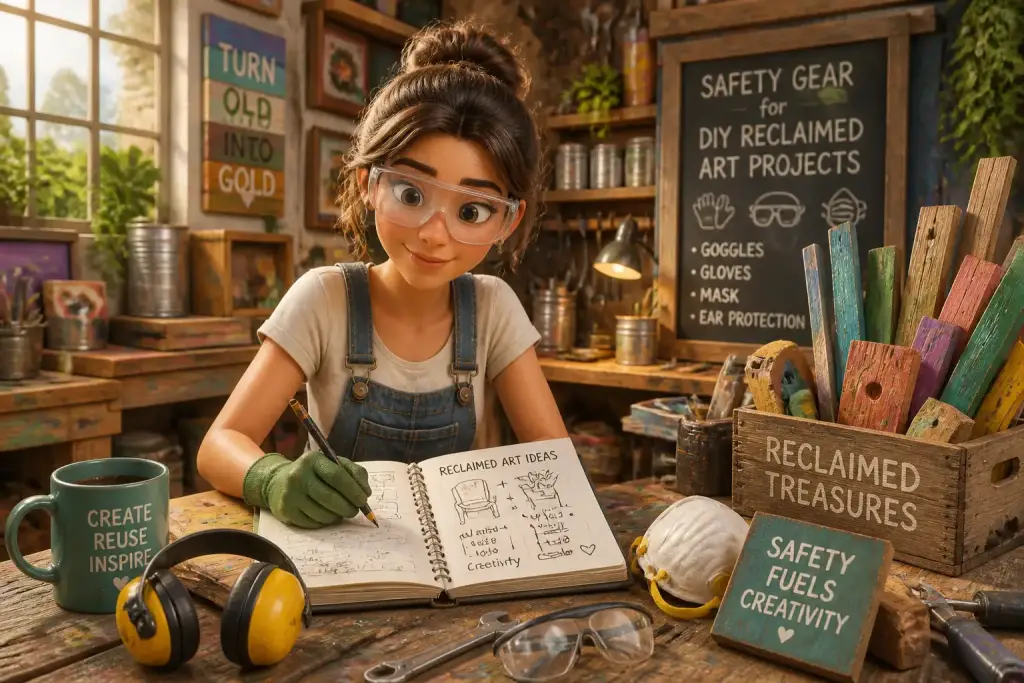
Consider also investing in safety gear. Gloves, goggles, and masks protect you while working with reclaimed materials. Many reclaimed items may have sharp edges or dust that can be harmful. Investing in safety gear is a small price to pay for your health.
Finding Affordable Materials
Finding reclaimed materials is exciting and can lead to unique artistic creations. Many sources offer affordable or even free materials. You can check local listings, thrift shops, or even your neighborhood. Here are some common places to source reclaimed materials:
- Local construction sites: Builders often discard wood and other materials. Asking for leftover items can yield valuable finds.
- Online marketplaces: Websites like Craigslist or Facebook Marketplace often have listings for free or inexpensive reclaimed items.
- Thrift stores: Many thrift shops sell furniture and other decorative pieces that can be repurposed into art.
- Garage sales: Look for local garage sales where homeowners sell unwanted items. You can find many hidden gems.
When collecting materials, think creatively. An old wooden pallet can become a rustic coffee table, while discarded picture frames can be transformed into unique wall art. Take your time to hunt for materials that speak to you. The more you explore, the more likely you are to find items that inspire your next project.
Always consider the condition of the materials you collect. Check for signs of rot or damage. While minor imperfections can add character, severely damaged items may not be safe to use. Learning how to assess materials will save you time and effort in the long run.
Basic Techniques for Working with Wood
Understanding basic techniques for working with wood is essential for any reclaimed art project. The right approach can turn simple pieces of wood into stunning works of art. Here are some foundational techniques to master:
Cutting Wood
Using a hand saw or a power saw requires practice. Start by measuring your pieces accurately. Mark the cut lines with a pencil for guidance. Secure the wood in place to prevent shifting. A stable surface is critical for safety and accuracy.
When cutting, maintain a slow and steady pace. Rushing can lead to mistakes and accidents. Use clamps to secure your workpiece if necessary. Always remember to cut away from your body to avoid injury.
Sanding and Finishing
After cutting, sanding is crucial for achieving a smooth surface. Start with coarse sandpaper and gradually move to finer grits. This process helps remove splinters and rough edges. Always sand in the direction of the wood grain for the best results.
Once you are satisfied with the smoothness, consider finishing your piece. Natural oils or varnishes can enhance the beauty of the wood while providing protection. Apply the finish evenly with a brush or cloth, and allow it to dry completely before using the item.
Always check local thrift stores and online marketplaces for inexpensive reclaimed materials. You can find hidden treasures that spark creativity.
Using Hand Tools for Detailed Work
Hand tools are invaluable for creating detailed designs in reclaimed art. While power tools offer speed, hand tools allow for greater control and precision. Here are some essential hand tools to consider:
- Chisels: Chisels are perfect for carving and shaping wood. A basic set of chisels in various sizes will allow for a range of detail.
- Rasps: These tools are great for shaping and smoothing surfaces. They come in various shapes and sizes, which can be useful for detailed work.
- Files: Use files to refine edges and create intricate designs. They are perfect for adding finishing touches to your projects.
When using hand tools, take your time to learn proper techniques. For instance, when using a chisel, hold it at a slight angle and apply even pressure. Practice on scrap wood if you are unsure. This practice will build confidence and improve your skills.
Hand tools also encourage a deeper connection to your craft. As you work slowly and thoughtfully, you develop a sense of pride in your creations. Many artists find that using hand tools enhances their overall experience and satisfaction.
Creative Ideas for Reclaimed Art Projects
The beauty of reclaimed art lies in its versatility. With the right tools and materials, you can create a wide array of projects. Here are some creative ideas to inspire your next piece:
- Furniture: Transform old wood into functional furniture pieces like tables, chairs, or shelves. Mix different types of wood for added character.
- Wall Art: Use reclaimed wood scraps to create unique wall art. Arrange pieces in interesting patterns or colors to add visual appeal.
- Garden Decor: Reclaimed wood can be used to build planters, birdhouses, or garden signs. These items add charm and personality to outdoor spaces.
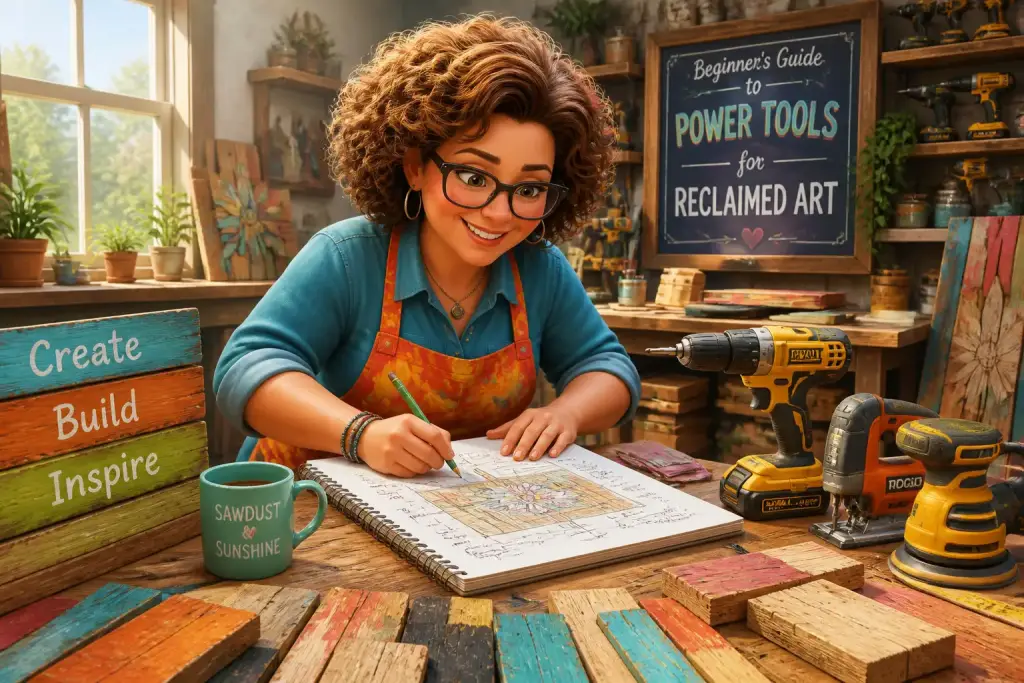
When starting a new project, consider your space and the materials you have available. Sketch out your ideas before beginning. This planning step can save time and help clarify your vision.
Don’t hesitate to experiment. Many artists find joy in trial and error. If a project doesn’t turn out as expected, view it as a learning opportunity. Each piece you create adds to your experience and knowledge.
Maintaining Your Tools and Workspace
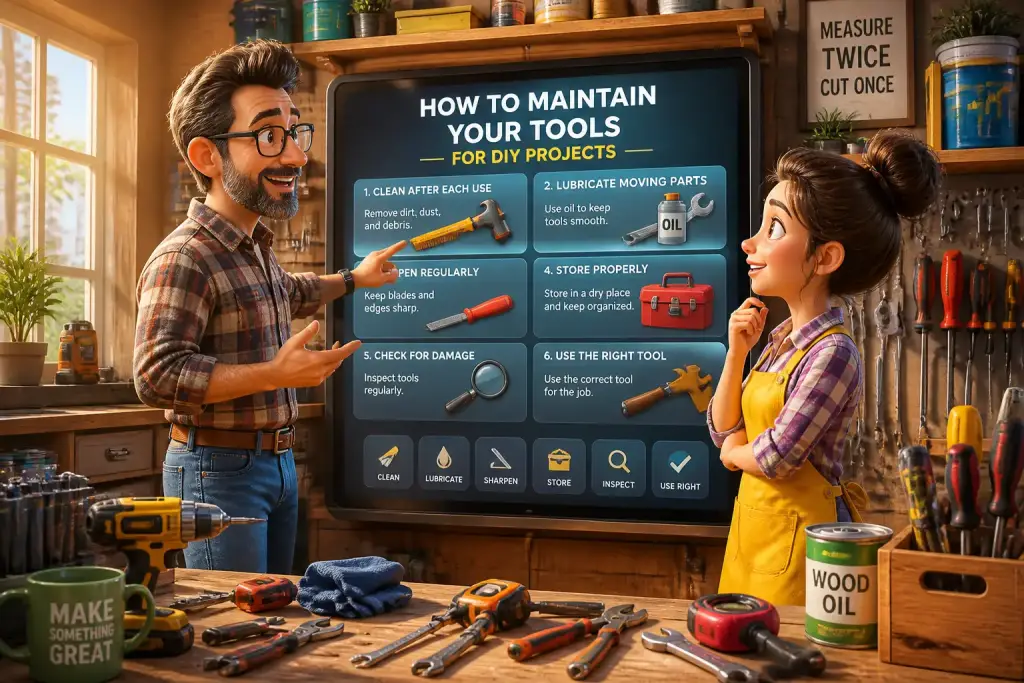
Keeping your tools and workspace in good condition is essential for successful reclaimed art projects. A clean, organized workspace allows for greater focus and creativity. Here are some maintenance tips:
- Clean tools regularly: After using your tools, wipe them down to remove dust and debris. This maintenance prevents rust and ensures longevity.
- Store tools properly: Organize your tools in a storage system that makes them easy to access. Use pegboards, bins, or toolboxes to keep everything in order.
- Inspect tools frequently: Regularly check your tools for signs of wear or damage. Replace or repair items as needed to ensure safety and effectiveness.
Maintaining your workspace is equally important. Keep surfaces clear of clutter, and ensure proper lighting for your projects. A well-organized area fosters creativity and productivity.
Consider personalizing your workspace with inspiration. Hang images or quotes that motivate you, or create a vision board for your projects. A space that reflects your style can enhance your artistic experience.
Building a Community Around Reclaimed Art
Engaging with a community of artists can greatly enhance your reclaimed art journey. Sharing experiences, ideas, and resources can lead to growth and new opportunities. Here are ways to connect with fellow artists:
- Join local art groups: Many communities have local art groups or clubs focused on reclaimed art. Joining these groups can provide support and motivation.
- Participate in workshops: Attend workshops to learn new techniques and meet other artists. These events can be a great source of inspiration.
- Share your work online: Use social media platforms to showcase your art. Engaging with others online can lead to valuable feedback and connection.
Creating and sharing art is often more enjoyable with others. Collaborations can lead to innovative projects and ideas. Don’t hesitate to reach out to fellow artists for joint ventures.
Remember, every artist has a unique voice. Embrace your style and let it shine through your reclaimed art. Building a community allows you to learn from others while sharing your knowledge and experiences.