







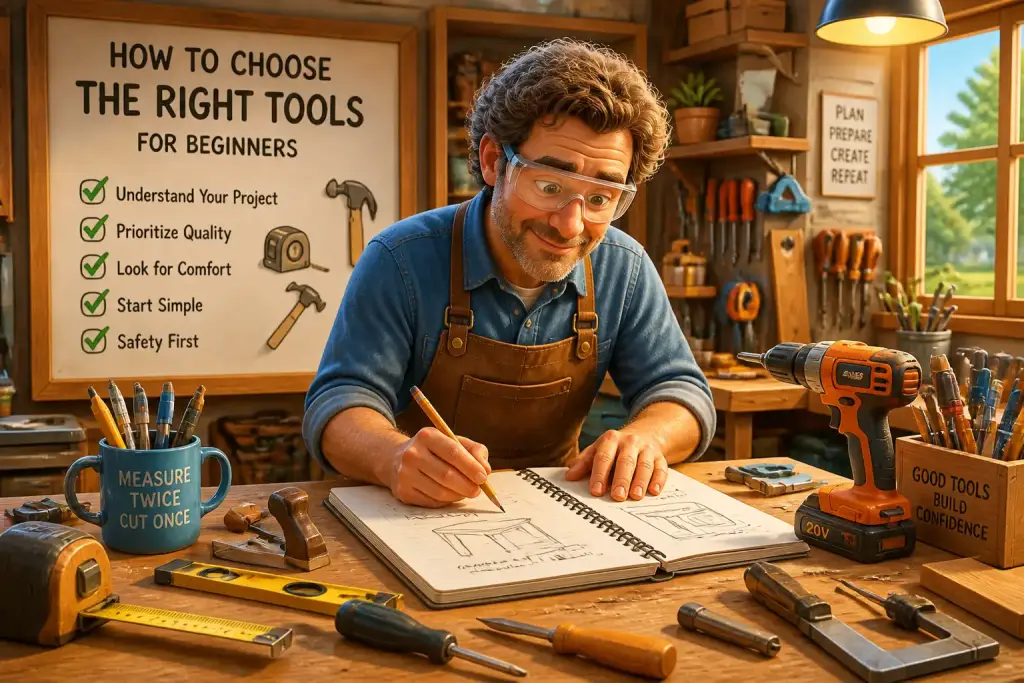
Choosing the right tools is vital for any beginner embarking on a new project. In today’s world, vast options exist for every kind of task, whether it is crafting, home improvement, or any creative endeavor. Having the right tools not only makes the job easier but also enhances the quality of the work you produce. Therefore, understanding how to select the right tools can boost your confidence and ensure that you achieve the best results possible.
- Start by identifying the specific needs of your project to narrow down tool options.
- Invest in versatile tools that can be used for multiple tasks to maximize value.
- Always prioritize safety features and ergonomic designs to ensure comfortable use.
Table of Contents
Identify Your Project Requirements
Understanding what you need for your specific project is the first step in choosing the right tools. Every project has its unique demands, and knowing these can help you avoid unnecessary purchases. Start by making a list of tasks involved in your project. For instance, if you are planning to build a piece of furniture, you might need cutting tools, measuring devices, and assembly tools.
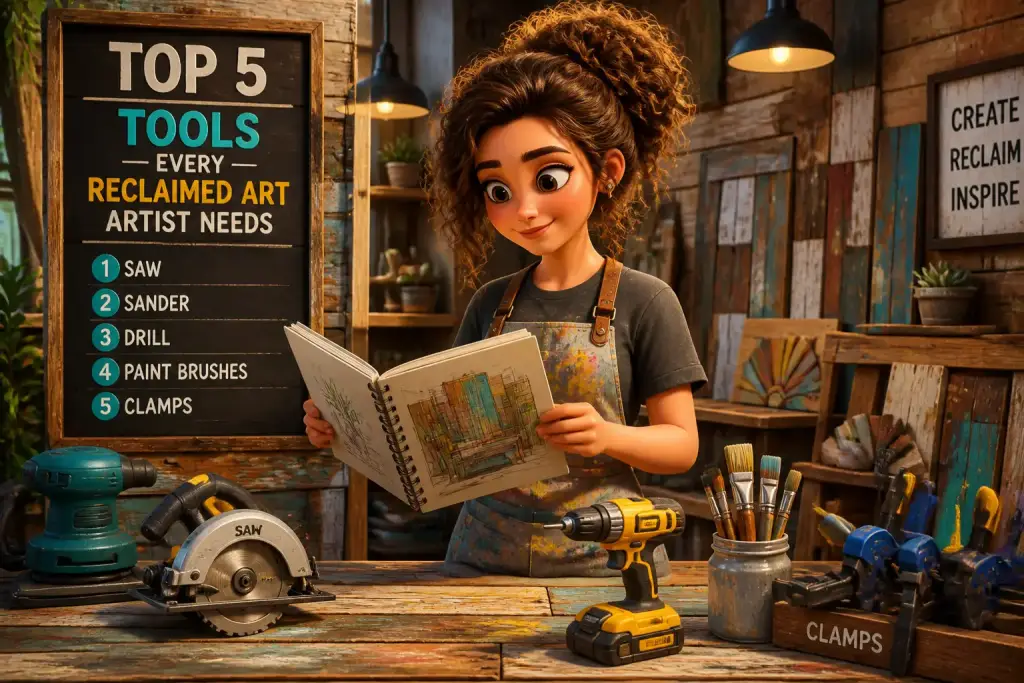
Breaking down your project into smaller tasks can clarify what tools are essential. For example, if your project involves woodwork, you may need a saw for cutting, a drill for making holes, and sandpaper for finishing. Each task requires different tools, and prioritizing them based on sequence and necessity can help streamline your workflow.
Consider the materials you will be using. Different materials often require specific tools. For example, working with metal or plastic might demand tools different from those needed for wood. Always think about your project’s end goal, and align your tool selection accordingly. This focused approach not only saves time but also resources.
Research Available Tools
Once you have a clear idea of what your project entails, research the tools that suit those needs. Explore different brands and models, paying close attention to user reviews and ratings. Reviews often provide valuable insights into the performance and reliability of tools. Websites and forums dedicated to DIY projects can be great resources for this information.
Consider visiting local hardware stores or tool rental shops to get a feel for the tools available. Handling them in person allows you to assess their weight, balance, and comfort. Take notes on features that appeal to you, such as ergonomic designs or safety features. If you prefer online shopping, various e-commerce sites provide detailed specifications and customer feedback.
When researching, also evaluate the price range of tools. While it may be tempting to go for the cheapest option, remember that quality often comes at a price. Investing in reliable tools can save you money in the long run as they tend to last longer and perform better. Look for tools that offer warranties, as this can be a sign of good quality and manufacturer confidence.
Consider Versatility and Functionality
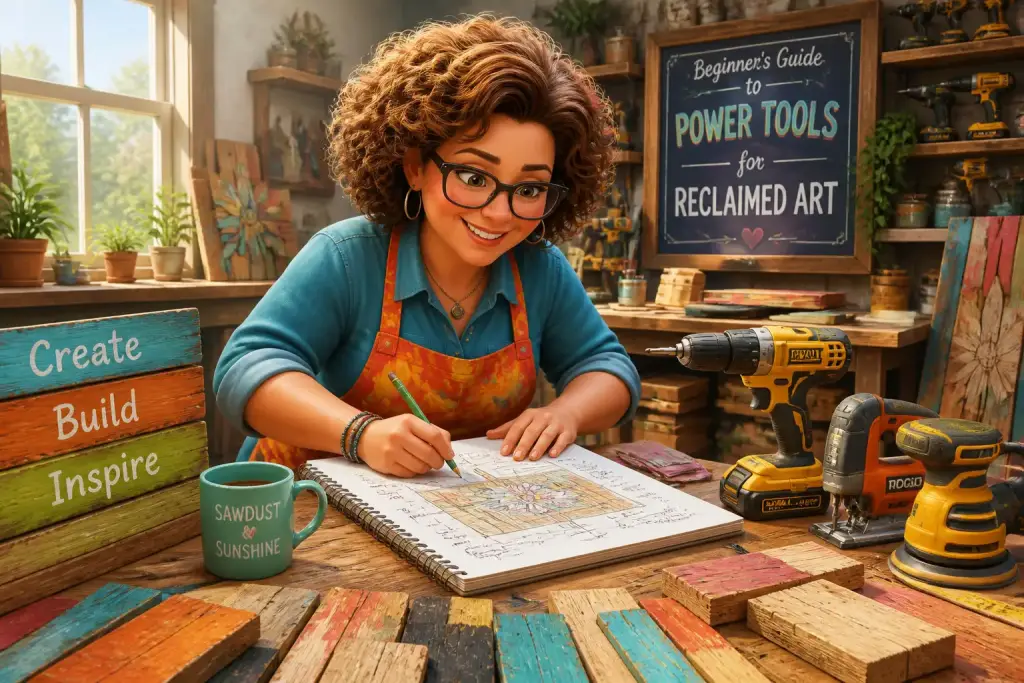
Choosing versatile tools can be a smart move for beginners. Tools that serve multiple functions can save both space and money. For example, a multi-tool can replace several individual tools, making it ideal for small projects or limited storage spaces. Similarly, a cordless drill can function as both a drill and a screwdriver, which is practical for various tasks.
When selecting tools, think about how each tool can adapt to different projects. A good example is a circular saw, which can make various cuts in wood, metal, and plastic with the right blade. This adaptability means you can use the same tool for multiple projects, making it a valuable addition to your toolkit.
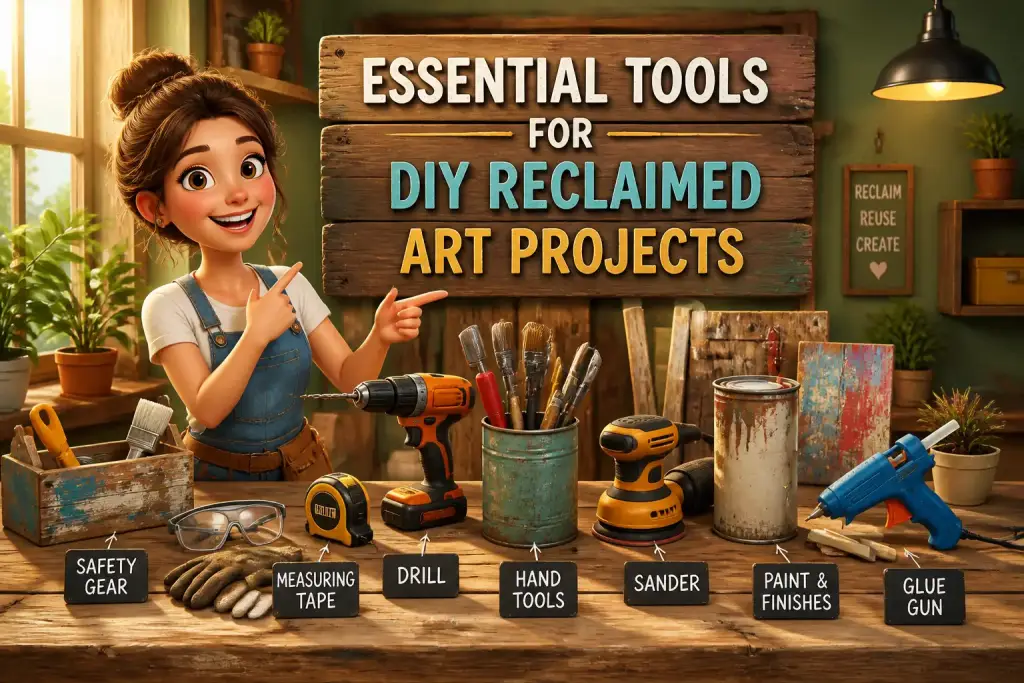
To help narrow down your choices, create a list of tools based on their versatility. Here is an example list of essential versatile tools for beginners:
- Multi-tool: Serves various functions, including cutting, screwing, and prying.
- Cordless drill: Can drill holes and drive screws, minimizing the need for separate devices.
- Measuring tape: Essential for accurate measurements across many projects.
- Utility knife: Useful for cutting different materials, from cardboard to rope.
Prioritize Safety Features
Safety should always be a primary concern when working with tools. As a beginner, it is essential to choose tools that come with safety features to protect yourself from potential injuries. Look for tools with built-in safety guards, automatic shut-off features, and ergonomic designs that reduce strain on your hands and wrists.
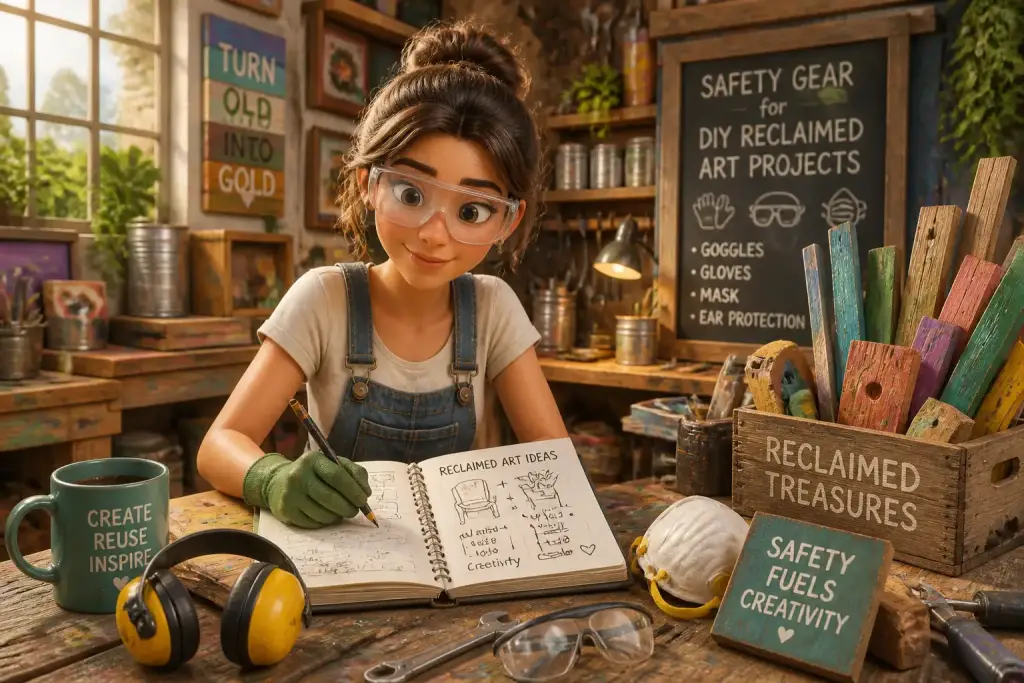
Before using any tool, familiarize yourself with its safety instructions and guidelines. Wearing appropriate personal protective equipment (PPE) like goggles, gloves, and ear protection is also crucial. For instance, when using power tools, such as saws or drills, goggles can prevent debris from injuring your eyes.
Keep your workspace organized to avoid accidents. A cluttered area can lead to mishaps, so ensure that tools are stored properly when not in use. Having a designated space for each tool can help maintain order and safety. Always remember that a safe working environment enhances your focus and productivity.
Budgeting for Your Tool Selection
Creating a budget is a fundamental step in choosing the right tools. It helps you understand what you can afford without overspending. Determine how much money you can allocate for tools based on your project’s requirements and your financial situation. This budget will guide your selections and prevent impulse purchases.
When budgeting, consider both initial costs and long-term value. Sometimes, cheaper tools may not last as long or perform as well as their more expensive counterparts. Investing in quality tools can reduce replacement costs over time. Therefore, it is wise to set aside a bit more money for tools that have a reputation for durability and reliability.
Consider alternatives like renting tools instead of buying them. For one-time projects or infrequent use, renting can be a cost-effective solution. Many hardware stores offer tool rentals, allowing you to access high-quality tools without the long-term commitment. Here are some popular tools often available for rent:
- Power drills
- Circular saws
- Floor sanders
- Pressure washers
When starting out, choose a few essential tools that cover a wide range of tasks to build your confidence and skills effectively.
Join a Community or Take a Class
Engaging with a community of like-minded individuals can significantly enhance your understanding of tools and techniques. Joining local workshops or online forums provides opportunities to learn from experienced craftsmen. Many communities offer classes specifically for beginners, allowing you to practice hands-on skills while receiving guidance.
Participating in classes can expose you to various tools in a supervised environment. It allows you to ask questions and receive immediate feedback. Additionally, instructors often share tips on tool selection, maintenance, and safety practices. Learning from others can accelerate your growth and confidence as a beginner.
Online platforms and social media groups dedicated to DIY projects can provide inspiration and support. Engaging with others who share similar interests can motivate you to tackle new projects and explore different tools. Seek out local maker spaces or community centers that offer classes and workshops to expand your skills.
Evaluate Your Progress and Adjust
After completing a few projects, take time to evaluate your progress. Reflect on the tools you used and how well they performed. Were there any tools that did not meet your expectations? Did you find yourself wishing for additional equipment? This reflection can guide your future tool purchases and help you refine your toolkit.
As you gain more experience, your project needs may change. New projects might require different tools than you initially purchased. Be open to adjusting your toolkit as you grow. For instance, if you find yourself frequently working with wood, investing in more specific woodworking tools can enhance your craft. Always be willing to learn and adapt based on your experiences.
Consider maintaining an inventory of your tools. This can help you keep track of what you have and what you may need in the future. Regularly checking your tools for wear and tear can also ensure that you have reliable equipment ready for your next project. Proper maintenance extends the life of your tools and keeps them working efficiently.
Final Recommendations for Beginners
Choosing the right tools is a journey that evolves with your skills and projects. Start by identifying your needs, researching options, and prioritizing safety and versatility. Budget wisely and consider joining a community to enhance your learning experience. Remember that the right tools can significantly impact your success and enjoyment of creative projects.
As you progress, continually evaluate your tool selection and adjust as necessary. Embrace the learning process that comes with each project, and do not hesitate to seek help from others. With patience and practice, you will become more confident in your abilities and make informed decisions about the tools you choose.
The right tools can empower you to create and innovate, turning your ideas into reality. As you embark on your journey, remember that each step you take contributes to your growth as a maker. Happy crafting!