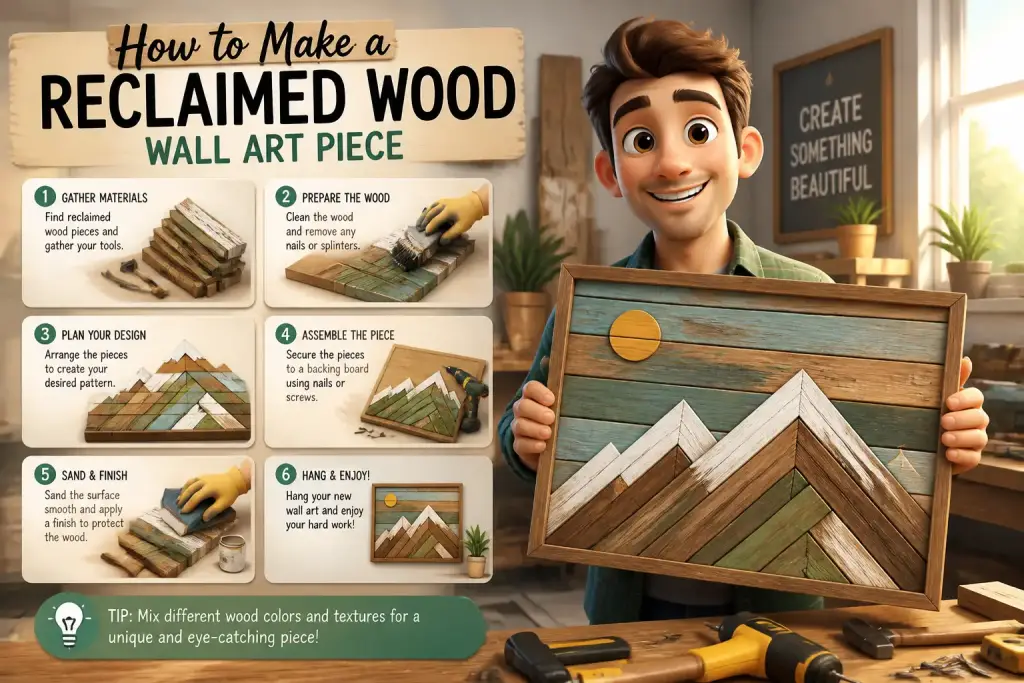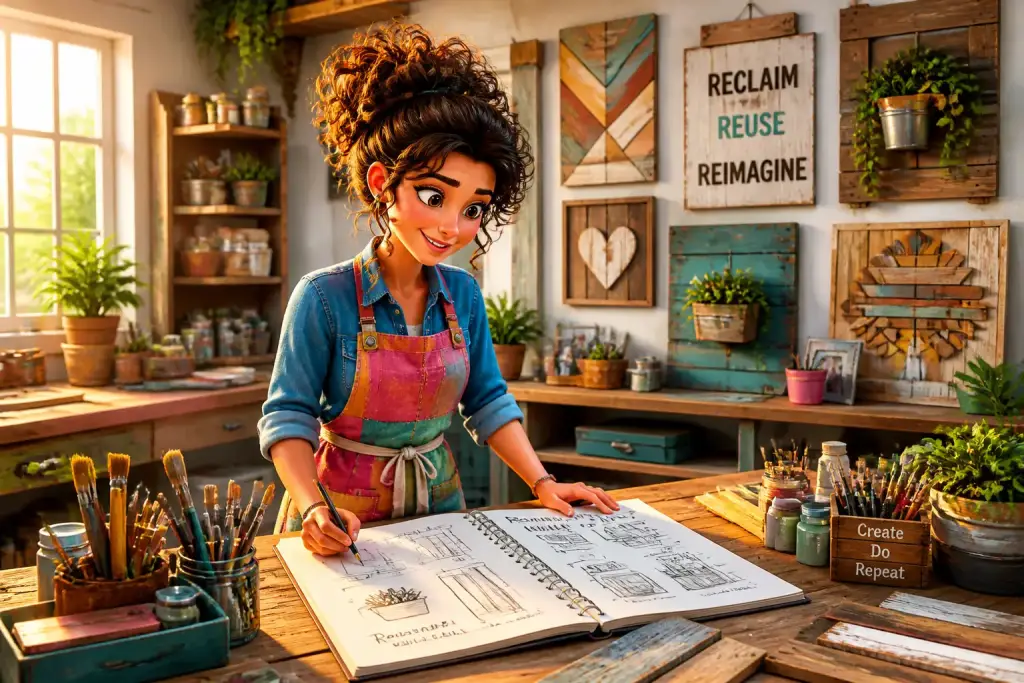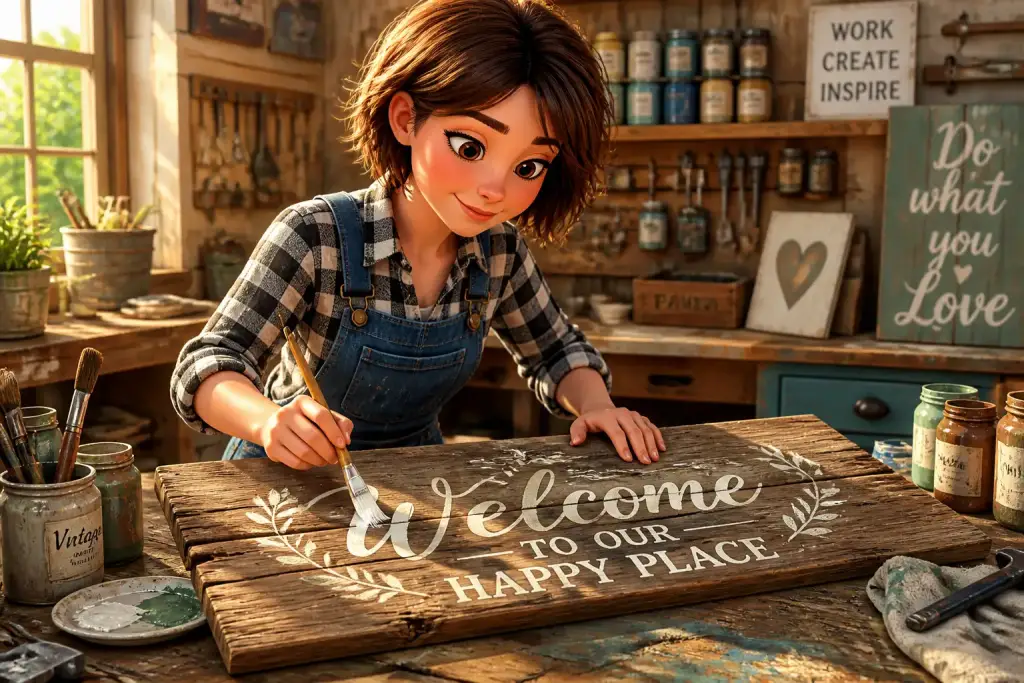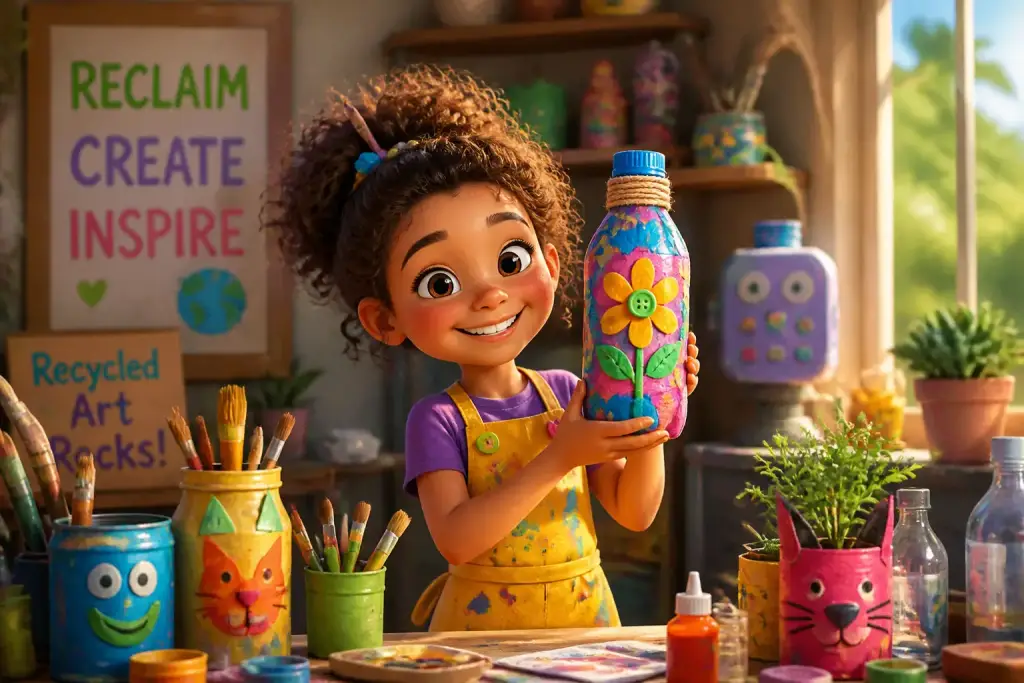




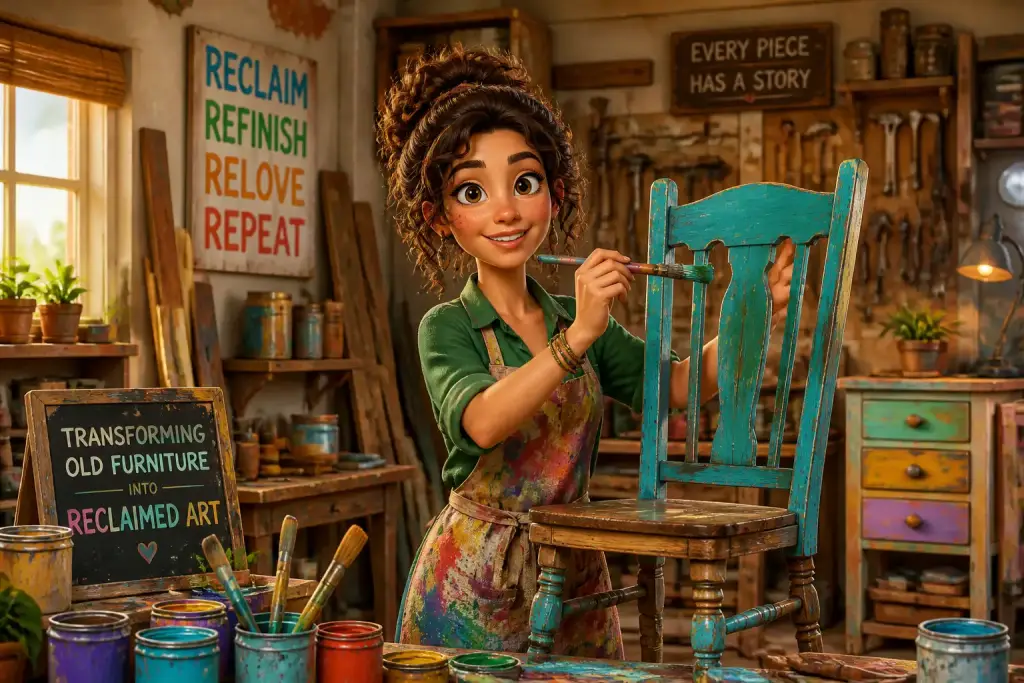
Transforming old furniture into reclaimed art opens up a world of creativity and sustainability. It allows individuals to breathe new life into items that may otherwise end up in landfills. This process not only helps the environment but also creates unique pieces that tell a story. With a little imagination and some practical skills, anyone can turn outdated or damaged furniture into beautiful art. This journey can be fulfilling and enjoyable, inviting people to explore their artistic side while making a positive impact.
- Choose an old furniture piece with character to inspire your art.
- Use modern tools and techniques to give it new life.
- Experiment with various materials to create stunning designs.
Table of Contents
Finding Inspiration in Old Furniture
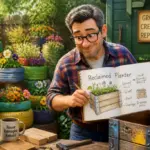
Every piece of old furniture carries a history. From worn-out tables to broken chairs, these items often have unique features that can inspire various artistic creations. When looking for inspiration, consider the materials, shapes, and colors present in the old piece. For instance, a vintage dresser could be transformed into a stunning wall display by removing the drawers and painting the frame with bright colors. This reimagining breathes new life into the old item while giving it a fresh purpose.
Take a stroll through local flea markets, thrift shops, or even your own garage to find potential candidates for your reclaimed art project. Look for pieces that stand out to you or capture your imagination. Pay attention to the craftsmanship, textures, and any imperfections that could add character. The history of furniture can often spark creative ideas. Imagine how it might look in a different setting or how it could serve a new function.
Considerations for Choosing Furniture
- Look for unique shapes or designs that can be enhanced.
- Choose sturdy pieces that can withstand modifications.
- Consider the size of the item and where it will be displayed.
- Think about how the piece can be functional as well as artistic.
By focusing on these aspects, you can find the perfect furniture to inspire your next reclaimed art project. The possibilities are exciting, and the journey of transformation begins the moment you select a piece that speaks to you.
Tools and Materials for Your Project
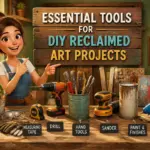
Having the right tools and materials is essential for successfully transforming old furniture into reclaimed art. Depending on the complexity of your project, you may need a variety of tools. Basic tools such as a screwdriver, hammer, and paintbrush are often necessary. However, more advanced projects might require additional tools like sanders, saws, or drills. Each tool serves a specific purpose, making the transformation easier and more efficient.
Materials can vary widely based on the desired outcome. Paints, stains, and varnishes are common choices for finishing touches. You may also want to incorporate other materials like fabric, metal accents, or even eco-friendly options such as reclaimed wood. Mixing materials can create eye-catching designs that enhance the visual appeal of your art piece.
Essential Tools for Beginners
- Paintbrushes in various sizes for detailed work.
- Screwdrivers for assembling and disassembling furniture.
- Sandpaper for smoothing surfaces before painting.
- Hot glue gun for attaching smaller elements or embellishments.
Investing in a few quality tools will make your projects more enjoyable and productive. Start small and build your collection as you progress. Each tool you acquire can expand your creative possibilities, enabling you to take on more complex projects as you gain confidence and experience.
Creative Techniques for Transforming Furniture
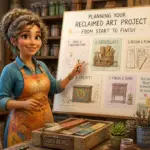
Once you have your furniture and tools ready, it’s time to explore creative techniques for transforming your piece. The approach you take will depend on your vision for the final art piece. Painting is one of the most straightforward methods. Using bright colors or interesting patterns can significantly change the appearance of an old item. Stenciling or decoupage can also add unique designs to surfaces, making them more appealing.
Another option is to repurpose the furniture for a different use. For example, an old ladder can be turned into a bookshelf, or a wooden crate can become a stylish side table. These transformations can add functionality and artistic flair to your home. When repurposing, think about how the piece can be used in a modern context while retaining its vintage charm.
Steps for Painting Furniture
- Clean the surface thoroughly to remove dirt and grease.
- Sand the furniture to create a smooth surface for painting.
- Apply a primer coat if necessary for better paint adhesion.
- Choose your paint and apply it evenly with a brush or roller.
- Finish with a protective sealant to ensure durability.
These steps will help ensure a professional-looking finish on your reclaimed art piece. Experiment with different painting techniques, such as sponging or distressing, to add depth and character. Each technique offers a unique way to express your style while rejuvenating an old piece of furniture.
Combining Different Materials for Unique Designs
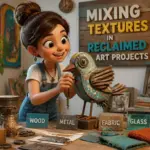
Incorporating various materials can elevate your reclaimed art projects. Combining wood with metal, glass, or fabric can create eye-catching contrasts that draw attention. For instance, attaching metal brackets to a wooden shelf adds an industrial touch, while fabric cushions on a reclaimed chair introduce warmth and comfort. The mixing of materials not only enhances aesthetics but also allows for greater creativity.
Consider how different textures interact with one another. The smoothness of glass paired with the roughness of reclaimed wood can create a stunning visual effect. Likewise, you can use color combinations to bring harmony to your design. Selecting a color palette that complements each material will enhance the overall look of your artwork.
Examples of Material Combinations
- Wood and fabric: Upholster a wooden chair with colorful fabric for a modern twist.
- Wood and metal: Use metal pipes as legs for a rustic table.
- Glass and wood: Create a coffee table with a glass top and a wooden base.
These combinations can invite interest and create conversation pieces in your home. Don’t hesitate to experiment with different materials; the more you explore, the more unique your reclaimed art will become.
Consider mixing different materials and styles to make your reclaimed art stand out and reflect your personal taste.
Showcasing Your Reclaimed Art
Once your furniture has been transformed into a beautiful piece of art, it’s essential to showcase it effectively. Consider the placement of the item in your home. Lighting plays a significant role in highlighting your artwork. Position your reclaimed art where it can catch the light, enhancing its features. Use spotlights or natural light to draw attention to specific details.
Arranging your reclaimed art among other decor can create a cohesive look in your space. Pair it with other pieces that complement its style or color scheme. For example, placing a colorful, painted chair next to a neutral table can create a striking contrast. Additionally, consider incorporating plants or other decorative elements that enhance the overall aesthetic.
Ways to Display Your Art Effectively
- Use shelving to elevate smaller pieces and keep them at eye level.
- Group multiple items together to create a gallery wall effect.
- Incorporate lighting to highlight textures and colors.
- Use stands or pedestals for larger pieces to enhance visibility.
These strategies will ensure that your reclaimed art is not only functional but also a focal point in your home. By thoughtfully considering how to display your work, you can create an inviting atmosphere that reflects your personal style.
Maintaining Your Reclaimed Art
Maintaining your reclaimed art is crucial for ensuring its longevity and beauty. Regular cleaning can help preserve the finish and prevent dust buildup. Depending on the materials used, cleaning methods may vary. For painted surfaces, a damp cloth is often sufficient. However, be cautious with abrasive cleaners, as they can damage the finish.
Sealing and protecting your art with varnish or sealant can enhance durability, especially for pieces exposed to moisture or heavy use. Reapply this protective layer as needed, based on the wear and tear of the item. Regularly inspect your art for any signs of damage, such as scratches or fading, and address these issues promptly to keep your piece looking its best.
Basic Maintenance Tips
- Dust regularly with a soft cloth to keep surfaces clean.
- Check for any loose parts and tighten them as necessary.
- Store items properly during extreme weather conditions.
- Apply a new coat of sealant every few years for added protection.
By following these maintenance tips, you can enjoy your reclaimed art for years to come. Caring for your pieces not only preserves their beauty but also reflects the love and effort put into creating them.
Transforming Furniture into Sustainable Art
Transforming old furniture into reclaimed art is not just about aesthetics; it also champions sustainability. By breathing new life into discarded items, you contribute to reducing waste and promoting eco-friendly practices. This approach encourages a mindset of reuse and repurposing, which is crucial in today’s world.
Each piece you create can inspire others to think differently about how they view old furniture. Sharing your projects through social media or community workshops can spark interest and motivate others to embark on their own journeys of transformation. Engaging with a community of like-minded individuals can lead to collaboration and the exchange of ideas, further enriching your creative experience.
Getting Involved in the Community
- Join local workshops or classes focused on reclaimed art.
- Share your projects on social media to inspire others.
- Participate in community art fairs to showcase your work.
- Collaborate with local artists to create unique community projects.
By connecting with others, you not only promote your art but also contribute to a larger movement toward sustainability. These interactions can lead to new ideas and innovative projects that continue to push the boundaries of reclaimed art.
Transforming old furniture into reclaimed art is a rewarding endeavor that combines creativity, sustainability, and personal expression. By following these steps and exploring various techniques, anyone can create unique pieces that enhance their living spaces while making a positive impact on the environment. Embrace the journey of reclaiming old furniture and watch as it transforms from forgotten items into stunning art pieces that tell a story.