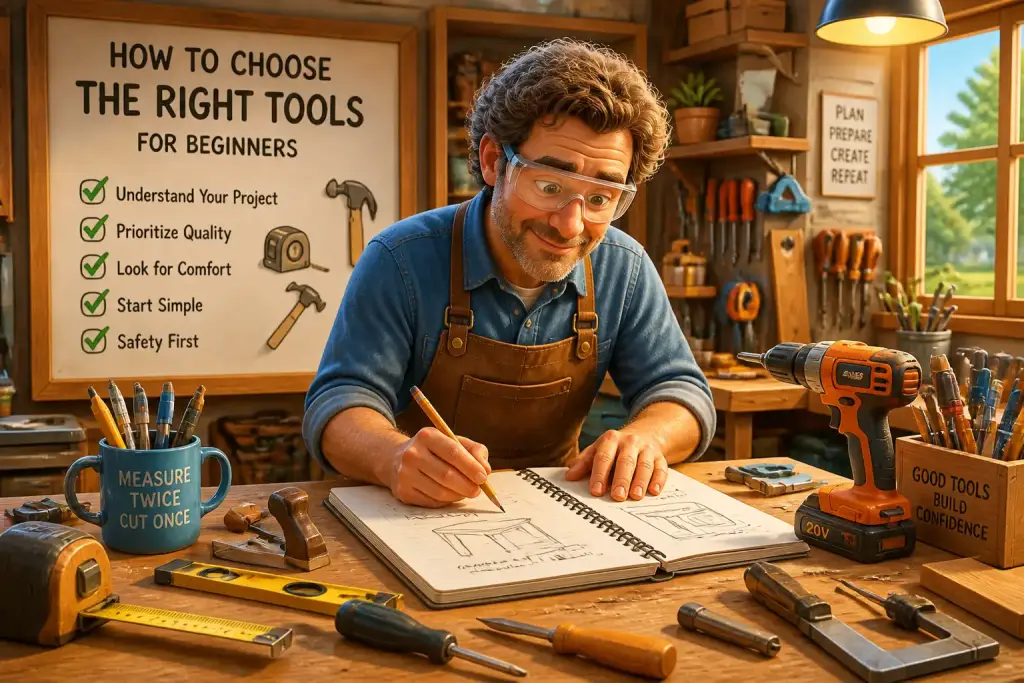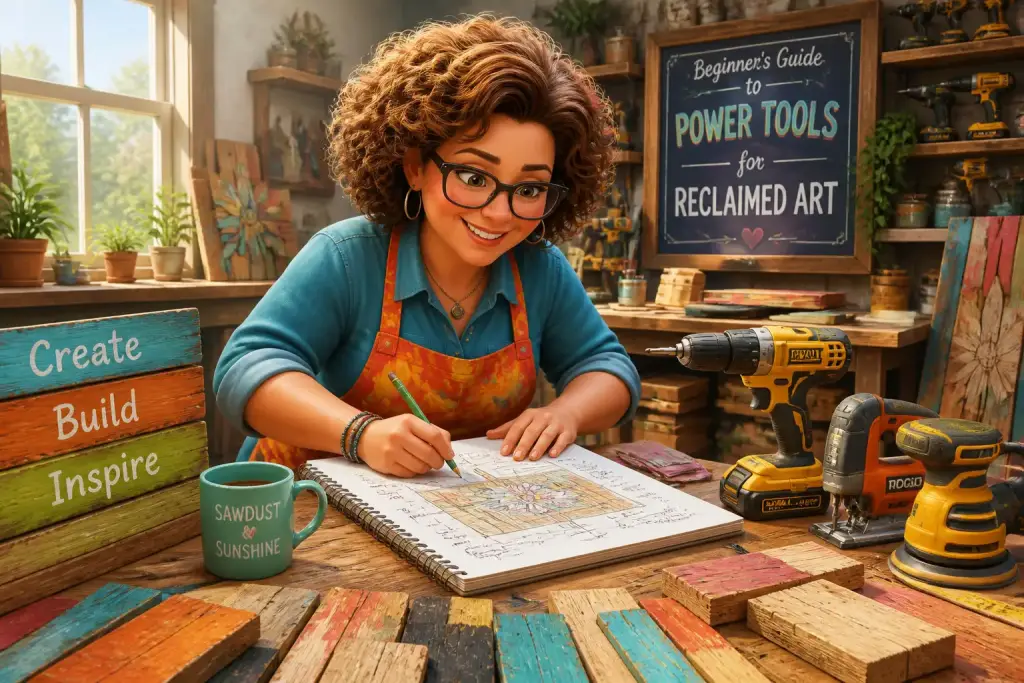








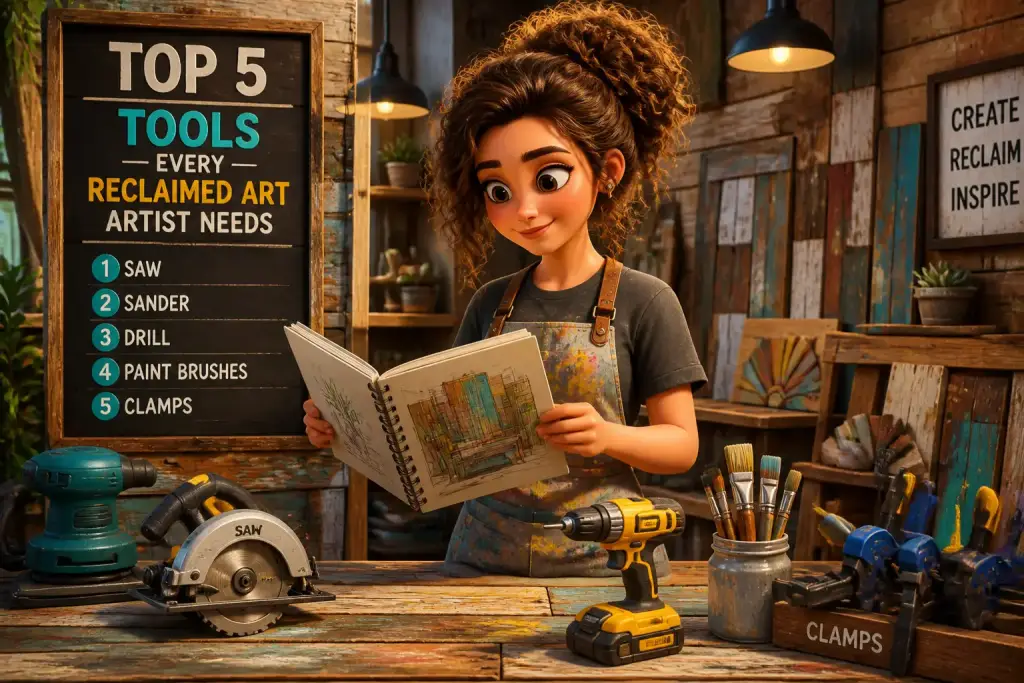
Creating art from reclaimed materials is both rewarding and challenging. Artists in this field often work with unique, varied materials that require specific tools. The right tools can significantly enhance creativity, efficiency, and overall project quality. Whether you’re crafting sculptures, furniture, or wall art, having the essential equipment ready can save time and effort. Below, we explore some of the top tools every reclaimed art artist needs to elevate their craft.
- Quality tools improve efficiency and creativity in reclaimed art projects.
- Proper cleaning tools are vital for maintaining reclaimed materials.
- Innovative design tools can help create unique art pieces.
Table of Contents
Power Tools for Efficiency
Power tools are essential for any reclaimed art artist. These tools streamline the process of cutting, shaping, and assembling materials. A high-quality power saw is one of the first tools to invest in. Whether you choose a circular saw or a jigsaw, having the right saw can make precise cuts on reclaimed wood or metal. This precision not only saves time but also reduces waste, which is important when working with limited materials.
Another important power tool is a drill. A cordless drill is particularly useful because it allows for easy maneuverability. With the right drill bits, artists can create holes for screws or decorative elements in their projects. This tool can also be used for sanding attachments, allowing for smoother finishes on rough materials.
Choosing the Right Power Tools
- Circular Saw: Ideal for straight cuts on larger pieces of wood.
- Jigsaw: Perfect for curved cuts and detailed designs.
- Drill: Versatile for drilling holes and sanding surfaces.
Investing in quality power tools can significantly impact the quality of your reclaimed art. Additionally, using these tools can reduce physical strain, allowing artists to work longer and more efficiently.
Hand Tools for Precision Work
While power tools speed up the process, hand tools are essential for detailed work. A good set of hand tools allows artists to make precise adjustments and add intricate details to their projects. A set of chisels is a must-have for carving or shaping wood. Different sizes and shapes of chisels can help create various textures and designs.
Another important hand tool is a reliable measuring tape. Accurate measurements are crucial in ensuring that pieces fit together correctly. A square is also beneficial for ensuring that cuts are straight and angles are precise. These tools help maintain high standards of craftsmanship.
Essential Hand Tools to Consider
- Chisels: For shaping and carving details.
- Measuring Tape: Ensures accurate dimensions.
- Square: Helps achieve perfect angles.
Having these hand tools on hand allows for greater control and creativity. They are also often more affordable than power tools, making them accessible for beginners and experienced artists alike.
Cleaning Supplies for Reclaimed Materials
Cleaning supplies are often overlooked but are vital for working with reclaimed materials. Before starting any project, it is essential to clean the materials thoroughly. This ensures that any dirt, grime, or previous finishes do not interfere with the new art piece. A good set of cleaning supplies should include brushes, rags, and eco-friendly cleaning solutions.
Using brushes can help remove dirt from crevices or intricate designs on reclaimed materials. Rags are useful for wiping down surfaces and applying finishes. Eco-friendly cleaning solutions are recommended to protect the environment and ensure safety when working with reclaimed wood and other materials.
Steps for Effective Cleaning
- Remove any loose debris with a brush.
- Wipe surfaces with a damp rag to remove dust.
- Apply eco-friendly cleaner and scrub as needed.
Properly cleaning your materials can significantly enhance the final appearance of your artwork. It also prepares the reclaimed pieces for any finishes, ensuring better adhesion and longevity.
Design Tools for Creative Expression
Every reclaimed art artist needs design tools to translate their ideas into reality. Sketching tools, such as pencils and paper, are essential for planning out projects. These sketches can help artists visualize the final product and make necessary adjustments before beginning the physical work.
Stencils are another fantastic tool for artists. They allow for consistent designs and patterns across multiple pieces. Using stencils can save time and ensure uniformity, especially when creating themed collections. For those interested in digital design, software programs can provide additional options for creating layouts and patterns before moving to physical materials.
Creating Designs with Stencils
- Choose your design concept and create a sketch.
- Transfer the design onto a piece of cardboard to create a stencil.
- Use spray paint or a brush to apply your design to the reclaimed material.
Using design tools can enhance creativity and make the process smoother. With proper planning, artists can avoid common mistakes and create stunning pieces.
Finishing Tools for a Professional Look
Applying finishes to reclaimed art enhances durability and aesthetic appeal. Tools for finishing include brushes, rollers, and spray guns. These tools allow artists to apply paints, stains, or sealants evenly across their projects. A quality brush is essential for detailed work, while rollers and spray guns can cover larger areas more efficiently.
Choosing the right type of finish is also critical. Different finishes, such as varnishes, oils, or waxes, can drastically change the appearance and texture of the material. Artists should consider the final look they want to achieve when selecting their finishing products.
Steps for Applying Finishes
- Sand the surface to prepare it for finishing.
- Choose the appropriate finish for your project.
- Apply the finish evenly using your chosen tool.
- Allow adequate drying time before handling.
Investing in quality finishing tools and products can elevate the final outcome of any reclaimed art project. A well-finished piece not only looks professional but also stands the test of time.
Always keep your workspace organized. A tidy area helps foster creativity and makes finding tools easier during your projects.
Storage Solutions for Your Tools
Finally, keeping your tools organized is just as important as having the right ones. Proper storage solutions can save time and help maintain the condition of your tools. A tool chest or organizer can keep your hand tools accessible and easy to find. For power tools, a dedicated storage area ensures safety and extends the life of the equipment.
Consider using clear bins for small items like screws, nails, and brushes. Labeling these bins can make it easier to find what you need quickly. Additionally, creating a designated workspace for your reclaimed art projects can help keep everything in one place, eliminating clutter and distractions.
Effective Storage Tips
- Use organizers for small tools and supplies.
- Keep power tools in a dedicated area for safety.
- Label storage containers for quick access.
With an organized workspace, artists can focus more on creating and less on searching for tools. This efficiency can lead to more productive sessions and ultimately better artwork.
In summary, having the right tools is vital for every reclaimed art artist. From power tools to design tools, each component plays a crucial role in the creative process. By investing in quality equipment and maintaining an organized workspace, artists can enhance their craft and produce stunning pieces. Embrace the journey of reclaimed art and let your creativity flow.