

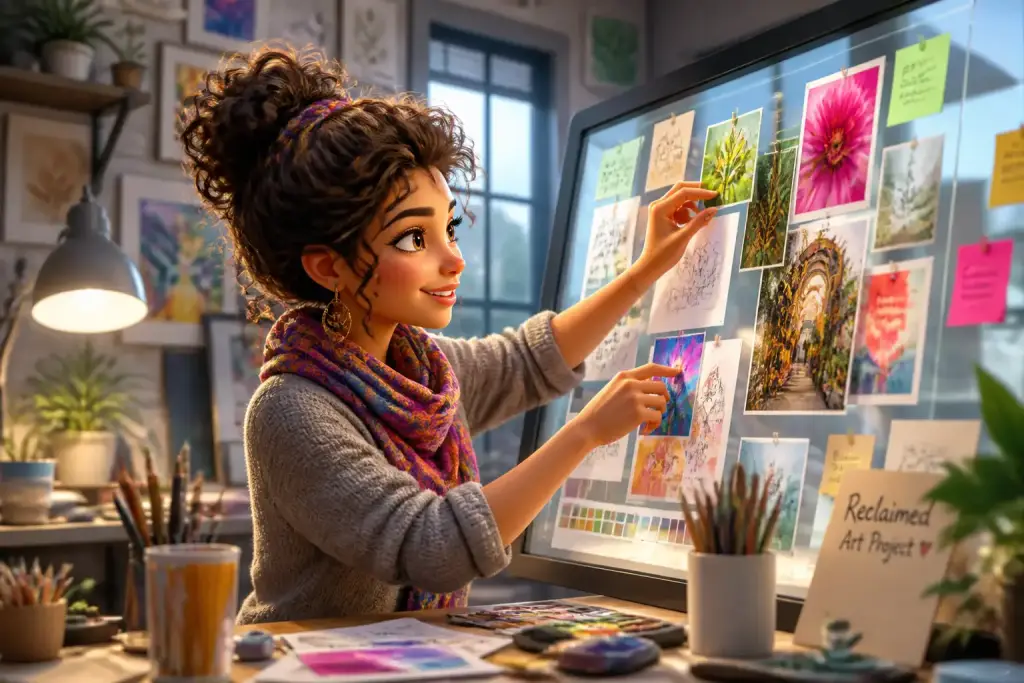
Creating a mood board for your reclaimed art project serves as a powerful tool to visualize your artistic vision and gather inspiration. A mood board is more than just a collection of images; it is a representation of your ideas, colors, and textures that will shape your final artwork. This process allows you to clarify your thoughts, organize your materials, and set the tone for your project. It is important to approach this task with intention, as it can greatly influence the outcome of your reclaimed art journey.
- Mood boards help clarify your artistic vision and unify your project’s theme.
- Collect images, colors, and textures that resonate with your reclaimed art concept.
- Regularly update the mood board to reflect new ideas and inspirations.
Table of Contents
Essential Foundations of the Purpose of a Mood Board
A mood board acts as a visual representation of your thoughts and feelings about a project. It helps you communicate your ideas more effectively, allowing you to focus on specific themes and aesthetics. When working with reclaimed materials, the challenge often lies in connecting various elements into a cohesive piece. A mood board can guide this process, ensuring that your materials come together harmoniously.
For artists, mood boards can serve several purposes. First, they help define the project’s direction. This is particularly helpful when working with a variety of reclaimed items that may not initially seem to fit together. By collecting images that resonate with your artistic goals, you create a strong foundation for your work. Second, mood boards can inspire creativity. They serve as a source of motivation, sparking new ideas and encouraging you to experiment with different combinations of textures, colors, and shapes.
Mood boards can aid in decision-making. When faced with the plethora of choices in reclaimed materials, having a clear visual reference can simplify the selection process. This clarity can lead to a more focused execution of your ideas, reducing the likelihood of creative blocks or confusion down the line. Overall, a mood board is an essential step in creating a successful reclaimed art project.
Gathering Inspiration for Your Mood Board
To create an effective mood board, begin by gathering inspiration from various sources. This can include nature, architecture, fashion, or even existing artworks. Look for colors, textures, and shapes that resonate with your vision. Modern tools like Pinterest and Instagram can provide endless inspiration through visual content shared by other artists. Consider following hashtags related to reclaimed art to discover ideas that align with your style.
Next, visit local thrift stores, flea markets, or salvage yards to find physical examples of reclaimed materials. Collect items that captivate you, such as old wood, metal scraps, or vintage fabrics. These materials can spark new ideas and inform your mood board. It is essential to keep an open mind during this process, as inspiration can come from unexpected places.
Key Steps to Gather Inspiration
- Identify your project’s theme or concept.
- Collect images and materials that evoke your desired emotions.
- Use online platforms to search for relevant visual content.
- Visit local markets to find tangible items that inspire you.
As you gather inspiration, remember to take notes on what specifically attracts you to each item or image. This practice will help you articulate your vision when it comes time to assemble your mood board.
Creating Your Mood Board
Once you’ve gathered enough inspiration, it’s time to create your mood board. Start by selecting a base for your board. This can be a large piece of cardboard, a corkboard, or even a digital platform like Canva or Adobe Spark. Each option has its benefits. A physical board allows for a tactile experience, while digital boards offer flexibility and ease of sharing.
Begin arranging your collected images and materials on your chosen base. Play around with the layout, focusing on how different elements interact with one another. Try to create a balance between colors and shapes, as this will help establish a cohesive visual narrative. Don’t be afraid to experiment with different arrangements until you find one that feels right. It may take some time, but patience is key.
Tips for Assembling Your Mood Board
- Start with a focal image that embodies your project’s essence.
- Layer colors and textures to create depth.
- Use a mix of images, such as photographs, drawings, and fabric swatches.
- Leave space for notes or additional ideas that may arise later.
As you finalize your mood board, step back and assess it from a distance. Ensure that it encapsulates your vision and serves as a reliable reference throughout your reclaimed art project. This board should inspire you and guide your creativity as you transform reclaimed materials into meaningful art.
Using Your Mood Board Throughout the Project
Once your mood board is complete, keep it visible throughout your reclaimed art project. This constant reference will help you stay aligned with your initial vision and prevent distractions from emerging ideas that may not fit your theme. Regularly consult your board when making decisions about materials, colors, or design elements.
Consider using your mood board as a dynamic tool. As your project evolves, you may discover new inspirations or directions. Feel free to update your mood board by adding new images or removing elements that no longer resonate with your vision. This adaptability can keep your creativity flowing and ensure that your art remains fresh and exciting.
Engaging with your mood board can also enhance your artistic process. Spend time reflecting on each element and how it contributes to your overall concept. This reflection can lead to deeper insights into your creative motivations and help you make more informed choices as you work. Remember, the goal is to create art that speaks to you, and your mood board should serve as a guiding light on this journey.
Always keep your mood board visible during your project to stay focused and inspired by your initial creative vision.
Reflecting on the Impact of Mood Boards
Mood boards have a lasting impact on the creative process, particularly in reclaimed art projects. They help artists clarify their vision, gather inspiration, and maintain focus throughout their work. The act of creating a mood board can also spark new ideas and approaches to using reclaimed materials, pushing artists to explore innovative techniques.
Mood boards can foster collaboration. If you are working with others on your project, sharing your mood board can help communicate your vision effectively. Collaborators can contribute their perspectives and ideas, enriching the final outcome. This shared understanding can lead to a more cohesive and successful art piece.
Finally, mood boards encourage reflection on the artistic journey. Looking back at your mood board can remind you of the initial inspiration and intentions behind your work. This reflection can provide valuable insights into your growth as an artist and help you identify themes or styles that resonate with you.
Creating a mood board is a vital step in the reclaimed art process. It not only clarifies your vision but also serves as a source of inspiration and motivation. By gathering and organizing your ideas, you set the stage for a successful and fulfilling artistic journey. Whether you are transforming old furniture into reclaimed art or embarking on a new project, a mood board can help you stay focused and inspired.