



Table of Contents
[Hide]
- Understanding the Importance of Staying Connected
- Choosing the Right Mobile Plan
- Wi-Fi Options: Finding Free Internet
- Using Offline Maps and Apps
- Staying Social: Sharing Your Journey
- Communication Tools: Staying in Touch with Family
- Portable Chargers and Power Banks
- Emergency Preparedness: Staying Safe and Connected
- Conclusion: Enjoying Your Trip While Staying Connected
Understanding the Importance of Staying Connected
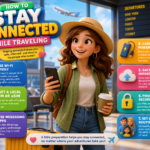
When you travel, staying connected is essential. It helps you keep in touch with loved ones, share experiences on social media, and access important information. Imagine wandering through a new city and needing directions. You grab your phone, but your data plan is limited. Frustrating, right? In 2026, technology offers many ways to stay connected while traveling. This article will explore various strategies and tips to ensure you remain linked to the world, no matter where your journey takes you.
Key Takeaways & Quick Overview
- Use local SIM cards for affordable mobile data while abroad.
- Download offline maps and translation apps before your trip.
- Utilize Wi-Fi calling features to reduce roaming charges.
Choosing the Right Mobile Plan
Your mobile plan can make a big difference in staying connected while traveling. Many providers offer international plans. These plans allow you to use your phone abroad without worrying about huge fees. Before traveling, check with your provider about global options. Some carriers offer packages that include data, texts, and calls for specific regions. For example, if you travel frequently, consider a plan with unlimited texting and calls internationally. This way, you stay in touch without extra costs.
Using Local SIM Cards
Another effective way to stay connected is by using local SIM cards. When you arrive in a new country, you can buy a SIM card from a local provider. This often comes with a data package at a lower price than international roaming fees. When you switch SIM cards, remember to keep your original card safe. Most airports and major cities have kiosks selling SIM cards. For instance, in Europe, many travelers opt for local SIMs with data plans that last up to a month. This approach is cost-effective and keeps you online.
Wi-Fi Options: Finding Free Internet
Wi-Fi is everywhere in 2026. Airports, cafes, hotels, and even parks often offer free Wi-Fi. This is a great way to stay connected without using your mobile data. However, public Wi-Fi can be risky. Use a VPN to secure your connection and protect your data. A VPN encrypts your information, making it harder for hackers to access it.
Best Places to Find Wi-Fi
Start by checking your hotel for free Wi-Fi. Many hotels offer this service for guests. Cafes like Starbucks or local coffee shops often provide free internet too. You can enjoy a coffee while catching up on messages. Airports are also great spots, as most now offer free Wi-Fi for travelers. Remember to connect only to trusted networks. Avoid entering sensitive information while on public Wi-Fi.
Using Offline Maps and Apps
When traveling, having access to maps is important. Download offline maps before you leave. Apps like Google Maps allow you to save maps for offline use. This means you can find your way even without mobile data. Just open the app and access the saved maps when needed. This is particularly useful in rural areas where signal strength may be weak.
Useful Offline Apps
In addition to maps, consider downloading translation apps. Google Translate allows you to download languages for offline use, making communication easier. Travel planning apps can also be beneficial. Apps like TripIt help organize your itinerary and are accessible without an internet connection. These tools make your travel smoother and help avoid confusion.
Recommended Pro-Tip
Always carry a portable charger to keep your devices powered during long travel days.
Staying Social: Sharing Your Journey
Sharing your travel experiences is part of the fun. Social media platforms like Instagram and Facebook allow you to share photos and updates with friends and family. To save data, upload your pictures when you find Wi-Fi. This helps you avoid using your mobile data unnecessarily. Additionally, consider joining travel groups online. These communities can offer tips and advice while keeping you connected to fellow travelers.
Best Ways to Share Updates
Live streaming your travels can be exciting. Use platforms like Facebook Live or Instagram Stories to share experiences in real time. However, ensure you have a strong Wi-Fi connection. If not, save your videos and upload them later. This way, you can share every moment without worrying about data usage. Engaging with your audience can make your travels feel more connected.
Communication Tools: Staying in Touch with Family
Communication is essential, especially when traveling. Apps like WhatsApp and Viber allow free messaging and calls over the internet. They use Wi-Fi or mobile data, making them a great alternative to traditional phone calls. Encourage your family to use these apps so you can stay in touch easily. This can help you share updates about your travels without incurring high costs.
Video Calls and Messaging
Video calls are a fantastic way to connect with family. Apps like Zoom or FaceTime allow you to see your loved ones while traveling. This can be especially comforting when you are far from home. Be mindful of your surroundings. Choose quiet places for calls to avoid distractions. This way, you can enjoy meaningful conversations without interruptions.
Portable Chargers and Power Banks
Keeping your devices charged is vital. A portable charger can be a lifesaver. These small devices can charge your phone multiple times, ensuring you stay connected throughout the day. Choose a power bank with a high capacity for long trips. Some models even allow you to charge several devices at once. This means you can keep your phone, tablet, and other gadgets powered while on the go.
Best Practices for Charging
When using public charging stations, be cautious. Avoid using public USB ports, as they can pose security risks. Instead, use your charger and plug it into an electrical outlet. This keeps your devices safe while ensuring they remain charged. Pack your charging cables in an easily accessible part of your bag. This way, you can quickly grab them whenever necessary.
Emergency Preparedness: Staying Safe and Connected
While enjoying your travels, be prepared for emergencies. Keep essential contact numbers saved on your phone, including local emergency services and your country’s embassy. This can be helpful if you encounter issues while abroad. Additionally, consider downloading emergency apps. Some apps provide information about local emergencies, help you find nearby hospitals, and keep you informed about safety alerts.
Creating a Travel Safety Plan
Outline a safety plan before your trip. Share your itinerary with family or friends. This ensures someone knows your plans and can check in on you. If you encounter any trouble, they can help. Also, familiarize yourself with local laws and customs. Understanding these can prevent misunderstandings and keep you safe. Always have a backup method of communication available, such as a local SIM or a Wi-Fi hotspot.
Conclusion: Enjoying Your Trip While Staying Connected
Staying connected while traveling is easier than ever in 2026. By using local SIM cards, leveraging Wi-Fi, and utilizing essential apps, you can keep in touch with friends and family without hassle. Always prepare for emergencies and ensure your devices stay charged. Following these tips will help you enjoy your trip while feeling connected to the world. Embrace technology, and make the most of your travels!