





Table of Contents
[Hide]
Introduction to Remote Adventure Planning
Planning a remote adventure can be exciting and rewarding. The thrill of discovering new places and experiencing nature is unmatched. However, it requires careful planning and consideration. In 2026, with more people seeking unique travel experiences, knowing how to plan your next remote adventure is essential. This guide will help you manage the key steps involved in creating your perfect getaway.
Key Takeaways & Quick Overview
- Research potential remote locations to find unique experiences.
- Use modern tools for planning logistics and accommodations.
- Prepare for unexpected challenges by having backup plans.
Understanding Your Destination
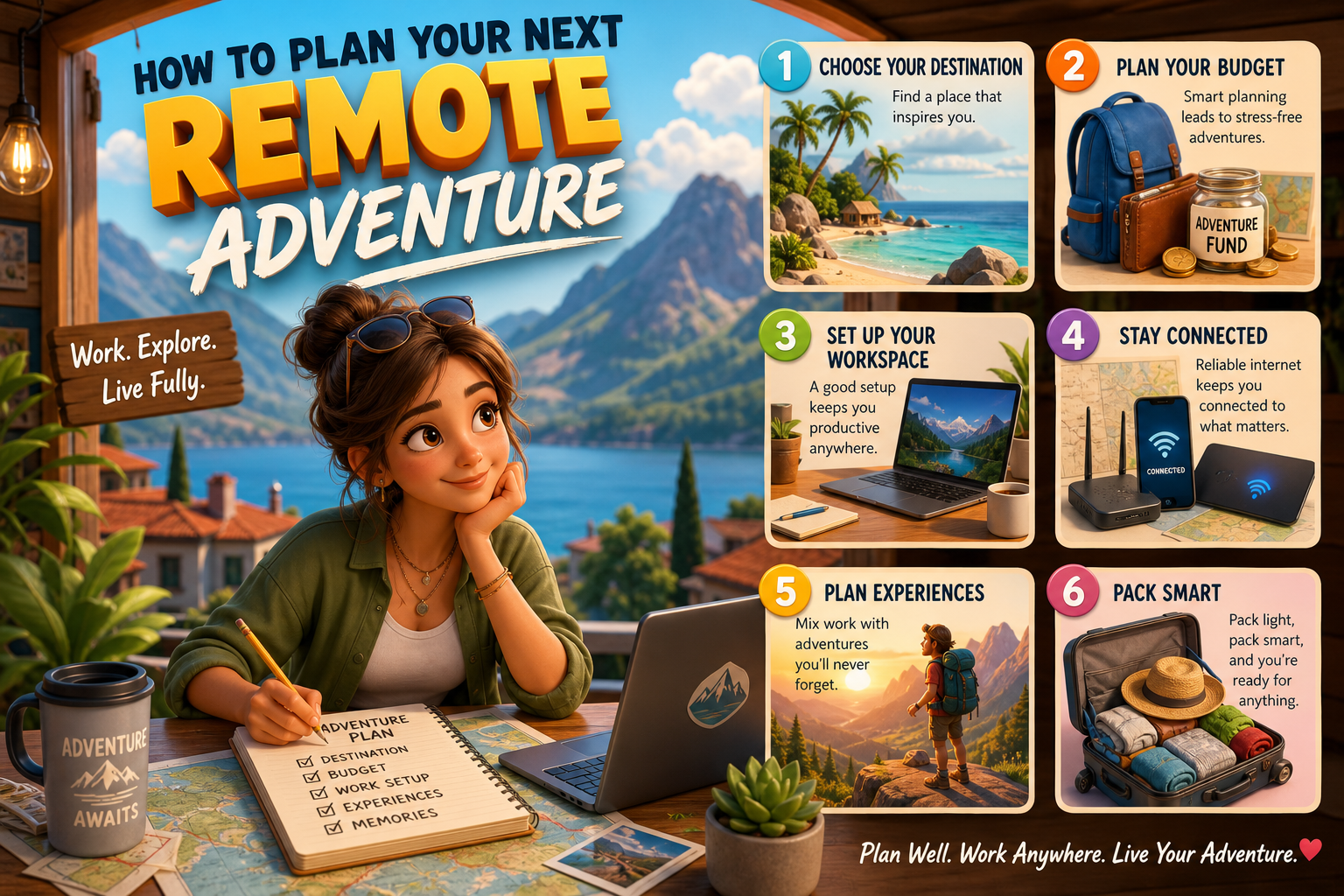
The first step in planning a remote adventure is understanding your destination. Research is vital. Use online resources, travel blogs, and social media to find unique locations. Look for areas that are off the beaten path. National parks, hidden beaches, or remote mountain ranges can offer great experiences. Additionally, consider the climate and season. Some destinations are best visited in spring or fall for pleasant weather. By gathering information about your destination, you can ensure it aligns with your interests.
Consider Accessibility
While you may want to escape the crowds, accessibility is important. Check how to reach your chosen location. Some remote areas may require a long drive or even a hike to access. Look for nearby airports or public transport options. Make sure to plan your route and have backup transportation options. It is wise to have a map downloaded on your phone in case there is no signal. This will help you stay oriented as you explore.
Setting a Budget
Budgeting is a important part of any travel plan. Determine how much you are willing to spend on your remote adventure. Your budget should cover transportation, accommodation, food, and activities. Research costs for each aspect to get a clear idea. For instance, camping can reduce accommodation expenses significantly. Additionally, consider exploring local cuisine for affordable meals. Create a budget sheet to keep track of your expenses. This will help you avoid surprises and stay within your limits.
Finding Affordable Options
In 2026, various online platforms can help you find affordable accommodation and activities. Websites like Airbnb or Booking.com offer unique stays, including cabins and lodges in remote areas. You can also check local listings for guesthouses or hostels. For activities, consider free or low-cost options such as hiking, swimming, or sightseeing. Many remote locations have natural attractions that do not require entry fees. This can help you save money while enjoying your adventure.
Choosing the Right Time to Go
The timing of your remote adventure can affect your experience. Different seasons bring different activities and weather conditions. Research the best times to visit your chosen destination. For example, if you plan to hike, spring or early fall may offer milder temperatures. Additionally, consider local events or festivals. Visiting during a local celebration can enhance your experience. However, be cautious of peak tourist seasons, as they can lead to crowded areas and higher prices. Aim for shoulder seasons for a more peaceful experience.
Planning for Weather Conditions
Weather can change quickly, especially in remote areas. Before you go, check the forecast for your destination. Prepare for unexpected weather by packing appropriate clothing and gear. Layering is essential, as it allows you to adjust to changing temperatures. Rain jackets, thermal layers, and sturdy shoes can make your adventure more comfortable. Consider investing in a good-quality backpack to keep your gear organized and accessible. Being prepared for various weather conditions will help you enjoy your trip fully.
Recommended Pro-Tip
Always check local regulations and safety guidelines for your chosen remote destination before you go.
Creating an Itinerary
An itinerary helps you stay organized during your remote adventure. Start by listing the activities you want to do. Be realistic about the time each activity will take. Include travel time between locations. For instance, if you plan to hike a trail, check how long it typically takes. Make sure to leave some free time for exploration. Flexibility is important in case you discover something interesting along the way. Having an itinerary can help you maximize your experience.
Using Technology for Planning
In 2026, many apps can assist you in planning your remote adventure. Use mapping apps to plot your route and identify points of interest. Trip planning apps can help you organize your itinerary and reservations. Additionally, consider using weather apps to monitor conditions. This will ensure you are prepared for any changes. Many apps allow you to download maps for offline use, which is helpful in areas with limited service. Technology can make your planning process smoother and more efficient.
Packing Essentials for Remote Travel
Packing for a remote adventure requires careful thought. You need to bring essentials without overloading your luggage. Start with a packing list that includes clothing, food, and gear. Choose versatile clothing that can be layered. This will save space in your bag. Essential items include a first-aid kit, a portable charger, and a water bottle. If your adventure includes outdoor activities, pack appropriate gear such as hiking boots and a sleeping bag. Being prepared will enhance your comfort and safety.
Food and Nutrition Tips
Food is an important aspect of your remote adventure. Plan meals that are easy to prepare and carry. If you are camping, consider lightweight cookware. Freeze-dried meals or pre-packed items can save time and space. Snacks like nuts, granola bars, and dried fruits are great for on-the-go energy. Remember to pack enough water or a filtration system if you will be in an area without clean water sources. Staying hydrated and well-fed will keep your energy levels up for your adventures.
Preparing for Safety and Emergencies
Safety should always be a priority during your remote adventure. Before you leave, share your itinerary with a friend or family member. This ensures someone knows your plans in case of an emergency. Research local wildlife and safety guidelines for your destination. Carry a first-aid kit and know how to use the items included. In addition, familiarize yourself with basic survival skills, such as starting a fire or finding clean water. Being prepared for emergencies can make a significant difference.
Emergency Contacts and Resources
Have a list of important contacts ready. This includes local emergency services, park rangers, or friends who can help if needed. Save these numbers on your phone and write them down in case your phone dies. In remote areas, cell service may be limited, so carry a portable charger. If you plan to hike or explore alone, consider carrying a satellite phone or a personal locator guide. These devices can be lifesavers in emergencies.
Enjoying Your Adventure
Once you reach your destination, it is time to enjoy your remote adventure. Take a moment to appreciate the surroundings. Disconnect from technology when possible to fully immerse yourself in nature. Engage in activities you planned, but also be open to spontaneous experiences. Meeting locals or discovering hidden gems can lead to unforgettable memories. Remember to take pictures to capture your adventure. These moments will become cherished memories you can share with others.
Practicing Responsible Travel
Responsible travel is important for preserving the beauty of remote areas. Follow the Leave No Trace principles to minimize your impact. This includes packing out all trash, staying on trails, and respecting wildlife. Be mindful of local customs and practices. Support local businesses by purchasing food and souvenirs. Your actions can help keep remote areas beautiful for future travelers. Practicing responsible travel ensures these places remain pristine and enjoyable for everyone.
Reflecting on Your Experience
After your remote adventure, take time to reflect on your experience. Consider what you enjoyed most and what you would do differently next time. Keeping a travel journal can help you capture your thoughts and memories. Sharing your experiences with friends or through social media can inspire others to explore remote areas. Reflecting on your journey allows you to appreciate the adventure and learn for future trips.
Planning Your Next Adventure
As you reflect, start thinking about your next remote adventure. Use lessons learned from your recent trip to improve your planning. Maybe you discovered a new favorite destination or activity. Research new locations that align with your interests. Adventure travel is about exploration and growth. By continuously planning and reflecting, you can create unforgettable experiences.
Planning your next remote adventure can be a fulfilling experience. By understanding your destination, setting a budget, and preparing properly, you can ensure a successful trip. In 2026, the world is full of unique and beautiful places waiting for you to explore. Take the time to plan carefully and enjoy every moment of your adventure.